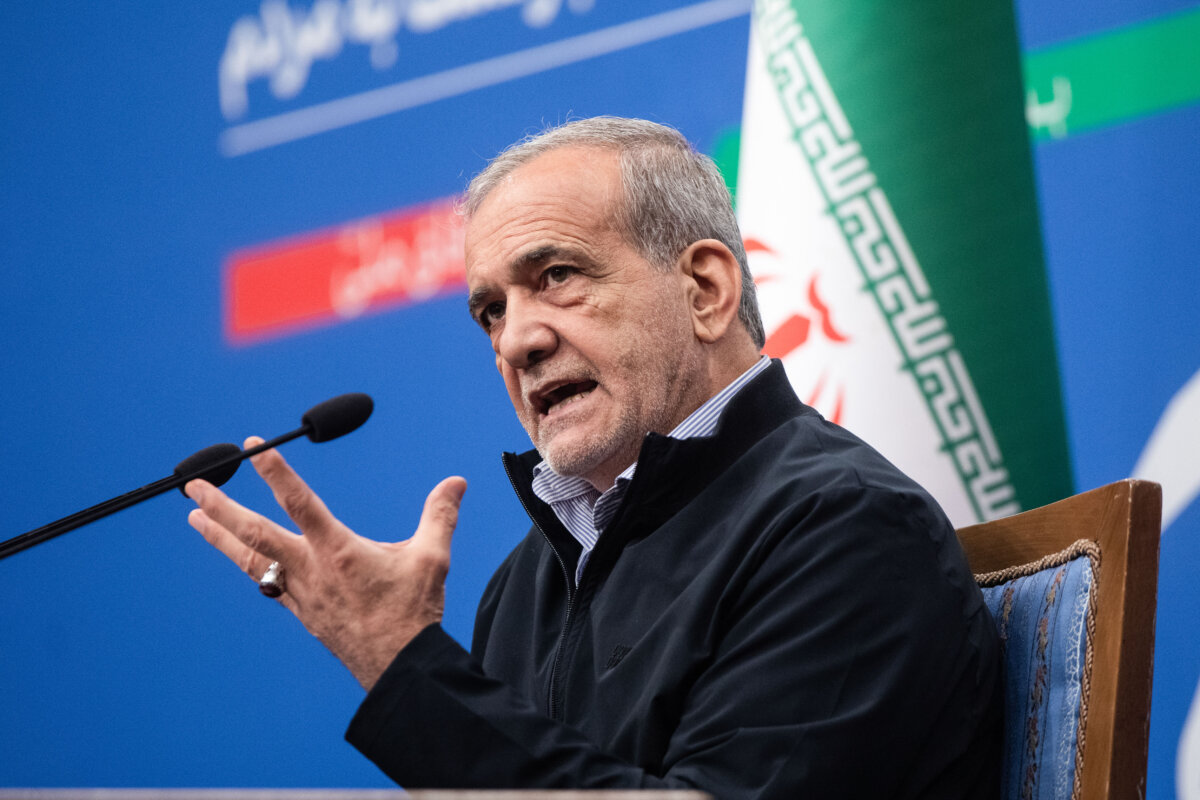

The United States sanctioned 10 “entities and individuals” in Iran and Venezuela on Tuesday that support Iran’s drone trade and ballistic missile program, which threaten the U.S. and its allies in the Middle East, the Department of State announced.
State Department spokesman Tommy Pigott said Iran continues to violate United Nations restrictions.
“Iran’s ongoing provision of conventional weapons to [Caracas, Venezuela] is a threat to U.S. interests in our region,” Pigott said.
The sanctions are part of a larger effort by the Trump administration and the U.N. to deny Iran a nuclear weapon and deny the Islamic Revolutionary Guard Corps access to assets and resources that sustain its destabilizing activities, according to State Department officials.
“Treasury is holding Iran and Venezuela accountable for their aggressive and reckless proliferation of deadly weapons around the world,” said Treasury Under Secretary for Terrorism and Financial Intelligence John Hurley in a statement. “We will continue to take swift action to deprive those who enable Iran’s military-industrial complex access to the U.S. financial system.”
Among companies and individuals affected by Tuesday’s sanctions are a Venezuelan company and its chairman, accused of buying Iranian drones; three Iranian men connected with trying to buy chemicals to make ballistic missiles; and a group of Iran-based people and companies connected to Rayan Fan Group, a group already sanctioned for supporting Iran’s defense industry with military drones and missiles.
Tuesday’s action is part of the Treasury’s effort to support the U.N.’s decision in September to reimpose sanctions and other restrictions on Iran based on that nation’s escalation of its nuclear program, restricting watchdog access, and exceeding enrichment limits.
Iran’s breaching of the U.N.’s 2015 action plan triggered a snapback mechanism leading to the restoration of a ban on arms, missile tech, travel bans, and global asset freezes to prevent nuclear weapon development.
U.S. President Donald Trump has said diplomacy was still an option, according to the State Department. For that to happen, Iran must accept direct talks, held in good faith, without stalling, the department stated.
While meeting with Prime Minister Benjamin Netanyahu at Mar-a-Lago on Monday, Trump said he may support more strikes on Iran if it ramps up work on its nuclear program.
“If they were to continue with the missiles, yes, the nuclear, fast. One would be yes, absolutely. The other, we’ll do it immediately,” Trump said. “Now I hear that Iran is trying to build up again. And if they are, we’re going to have to knock them down. We’ll knock them down.”
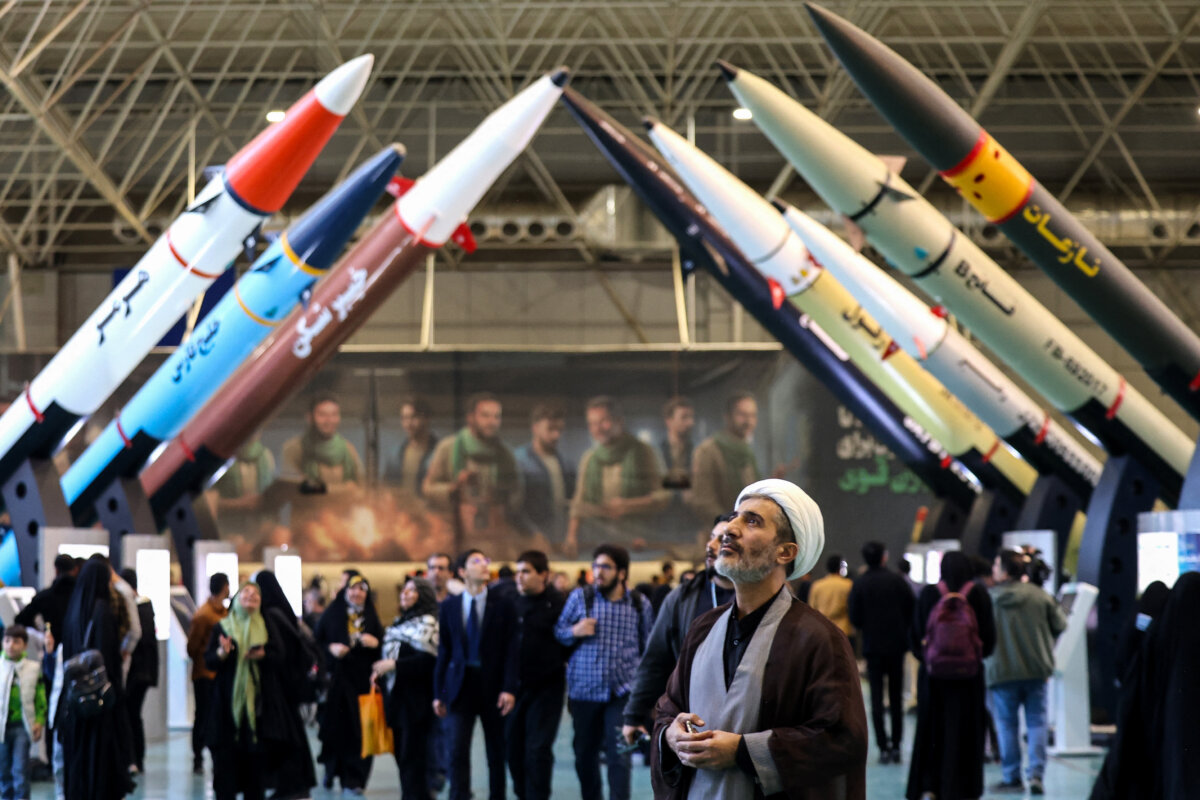
The U.S. Treasury imposed sanctions on Qods Aviation Industries’ Mohajer-series UAs for Venezuela; Venezuela-based Empresa Aeronautica Nacional SA and its Chair Jose Jesus Urdaneta Gonzalez; Iran-based Mostafa Rostami Sani; Pardisan Rezvan Shargh International Private Joint Stock Company; Iran-based Reza Zarepour Taraghi; Iran-based Fanavari Electro Moj Mobin company; Iran-based Bahram Rezaei; Iran-based Kavoshgaran Asman Moj Ghadir Company; Iran-based Erfan Qaysari; and Iran-based Mehdi Ghaffari.
Violations of the U.S. sanctions may result in civil or criminal penalties.
 Friends Read Free
Copy
Facebook
Tweet
Friends Read Free
Copy
Facebook
Tweet