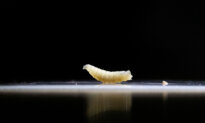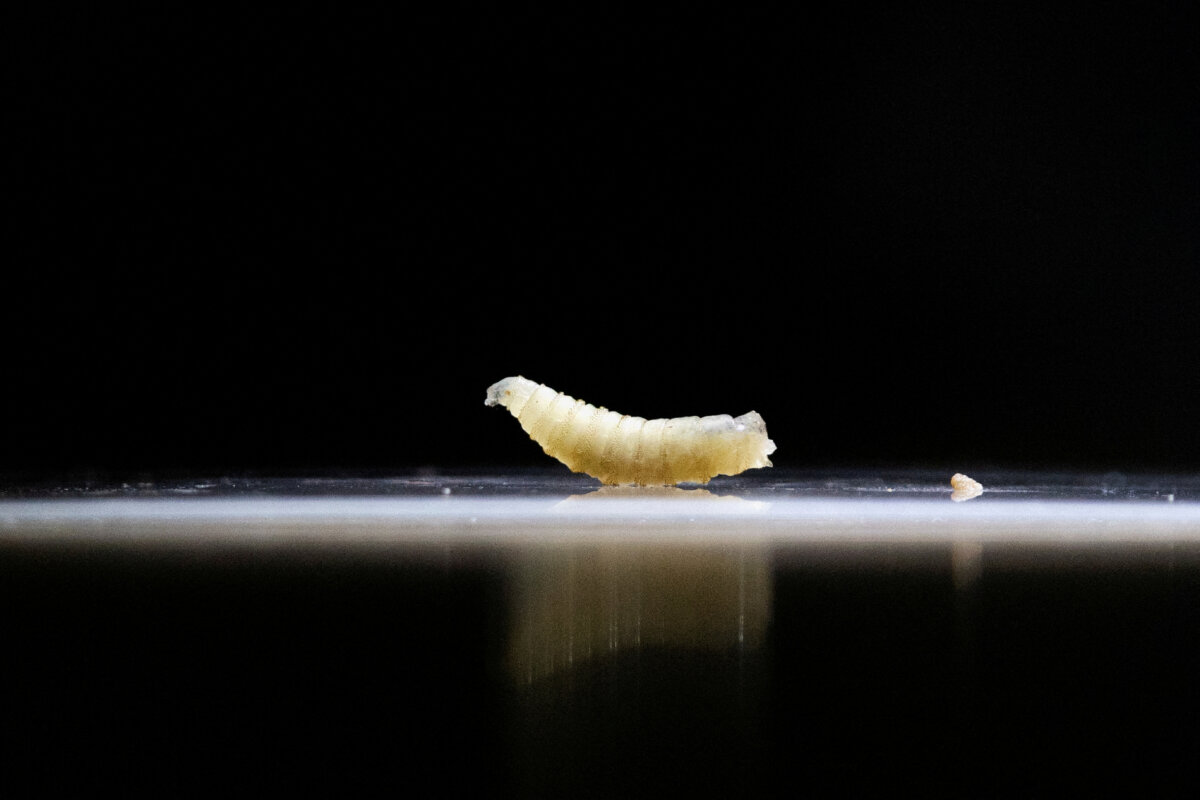

A new sterile fly dispersal facility has been opened in Tampico, Mexico, as part of efforts to fight against the spread of harmful New World screwworm (NWS) flies into the United States, the U.S. Department of Agriculture (USDA) said in a Nov. 13 statement.
NWS parasites can cause significant damage to livestock. Female flies lay eggs on wounds or orifices of warm-blooded animals. When the eggs hatch, the larvae burrow into the wound, feeding on the flesh. As more eggs hatch and feed, the wound becomes deeper and larger, eventually killing off the animal. A single female NWS can lay up to 3,000 eggs in its lifetime. As such, a large swarm of these parasites can be devastating for cattle farmers.
NWS flies are countered by releasing sterile male flies into the swarm. When these male flies mate, the females end up laying unfertilized eggs, diminishing the swarm.
The Tampico facility will enable USDA to disperse sterile flies across northeastern Mexico aerially, including in the state of Nuevo Leon, where an NWS case was confirmed in late September, according to USDA.
“Although Mexico continues to confirm new cases of NWS, the overwhelming majority of these remain in the far southern part of the country, with no significant northward expansion over the past several months. Should that change, the Tampico facility will allow USDA to immediately tackle any cases that occur elsewhere in Mexico,” the department said.
In a Sept. 21 statement, the USDA said the Nuevo Leon case was identified in the Sabinas Hidalgo region, located less than 70 miles from the U.S.–Mexico border.
The department called this NWS detection “most threatening to the American cattle and livestock industry” since Sabinas Hidalgo is located near a major highway connecting Nuevo Leon to Texas, which is “one of the most heavily trafficked commercial thoroughfares in the world.”
Another detection was made on Oct. 5, in a region in Nuevo Leon located 170 miles from the U.S.–Mexico border, the USDA said in its recent statement.
None of the cases detected in September or October are still active, and no additional detections have since been identified in Nuevo Leon.
The USDA said it continues to disperse sterile flies in Nuevo Leon and will now start transitioning from releasing these insects via ground release chambers to aerial dispersal.
Secretary of Agriculture Brooke L. Rollins said the Tampico facility is a key tool in the arsenal to block the spread of NWS parasites.
“Stopping the spread of screwworm is a top priority for the entire Trump Administration. Last week I had a productive meeting with Mexican President Claudia Sheinbaum and my counterpart Secretary Julio Berdegue on the joint response to screwworm,” Rollins said.
“We are boosting our efforts and completing a joint review of our screwworm operations in Mexico to ensure our protocols are being followed. As we enter the winter months, we continue to prioritize the response in Mexico and the rest of our five-pronged plan to protect U.S. livestock and the livelihoods of American farmers and ranchers.”
In an interview with The Epoch Times last month, Dr. Michael Vickers, a veterinarian who has served on the Texas Animal Health Commission, warned that NWS posed a catastrophic threat and that the United States was ill-prepared to tackle any outbreak involving these parasites.
The last major NWS outbreak in Texas was in the 70s, in which over 90,000 NWS cases in animals were reported. Vickers said it was likely the parasite would once more invade Texas.
LeRoy Jackson, 63, who runs a small herd of cattle, said ranchers were taking precautions to deal with the threat posed by NWS. This includes spraying ivermectin on their herds, hoping it would protect against the parasites.
NWS can also infect humans. In August, the first travel-related human case of NWS infection was identified in an individual from Maryland. The infection was discovered after the person returned from El Salvador.
Darlene McCormick Sanchez contributed to this report.
 Friends Read Free
Copy
Facebook
Tweet
Friends Read Free
Copy
Facebook
Tweet