
The Department of State said on Nov. 17 that it has revoked visas and imposed visa restrictions on a number of individuals in Nicaragua identified as “knowingly facilitating” illegal immigration to the United States.
The department did not provide specifics on the identities of those targeted, but said in a statement that it included executives, owners, and senior officials of travel agencies, transportation companies, and tour operators “who provide services to assist aliens intending to illegally immigrate to the United States.”
“Investigations indicate the entities these individuals represent facilitated travel through Nicaragua, enabled by the Nicaraguan dictatorship’s permissive-by-design migration policies that destabilize the region and push illegal immigration to the United States,” State Department principal deputy spokesperson Tommy Piggott said in the statement.
Piggott said the United States “will not tolerate actions that undermine its national security or immigration laws.”
He added that the State Department “is resolute in promoting accountability for those who seek to profit from illegal immigration, disrupting smuggling networks, and protecting the integrity of U.S. borders.”
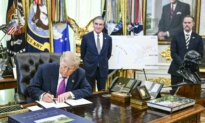
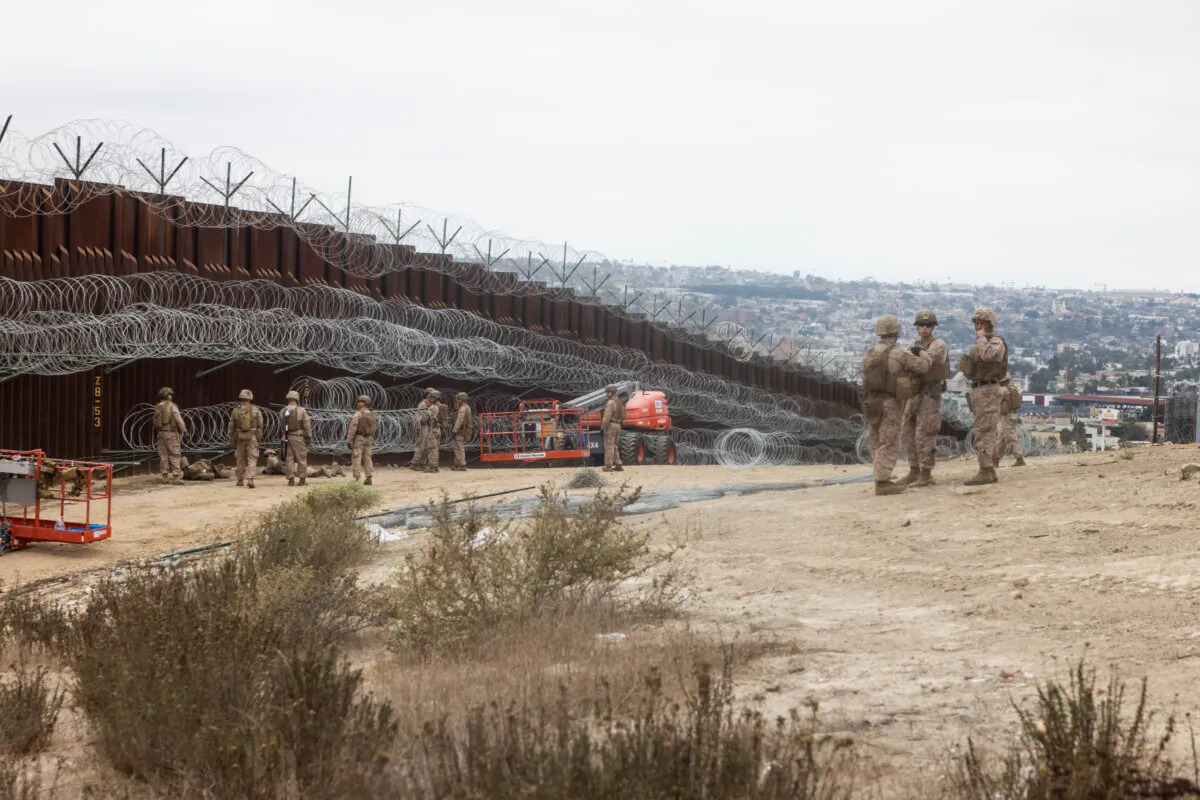
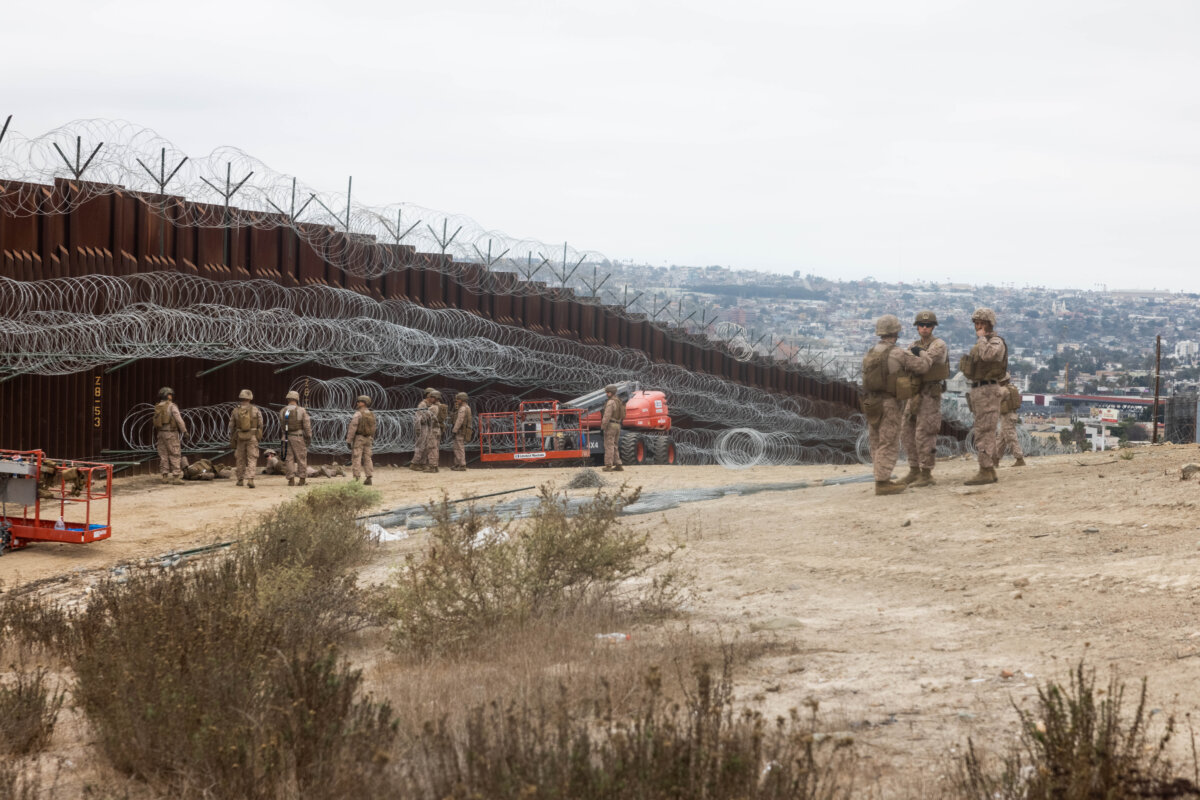
Since his return to the White House in January, President Donald Trump has led an administration tasked with cracking down on illegal immigration, including by conducting mass deportations and securing the southern border.
Earlier this month, Trump told CBS News’s “60 Minutes” that he believed the administration’s deportation mission would be finished if a significant number of roughly 25 million illegal immigrants were deported.
“Well, it takes a long time, because probably, I say, 25 million people were let into our country. A lot of people say it was 10 million people, but whether it was 10 or—I believe I’m much closer to the right number,” he told the outlet.
“Of the 25 [million], many of them should not be here. Many of them.”
TPS Revoked
The Trump administration has also tightened up asylum and protection.
Nationals from Syria, Venezuela, Haiti, Cuba, Nicaragua, and several other countries have had their respective temporary protected status (TPS) revoked, although some of those decisions have faced court challenges. The Trump administration has also separately set a limit on refugee admissions to the lowest ceiling on record.
The TPS for Nicaragua expired on Sept. 8, affecting around 4,000 Nicaraguans who were required to leave the United States as of that date.
DHS Secretary Kristi Noem had announced the cancellation of the status on July 7, stating that conditions in Nicaragua no longer met the requirements for TPS.
“Temporary Protected Status was designed to be just that—temporary,” Noem said in a statement.
TPS is a government protection created by the U.S. Congress in the Immigration Act of 1990 for foreign-born individuals who cannot safely return to their country due to difficult circumstances such as armed conflict, natural disasters, and other extraordinary conditions.
During the designation period, TPS beneficiaries may remain in the United States and are authorized to work as long as they meet strict requirements, such as having no criminal record and proper registration. TPS does not lead to legal permanent residence or any other immigration status.
TPS Is Temporary
The TPS for Nicaragua was initiated in early 1999, following Hurricane Mitch.
Noem said in a separate statement on July 7 that “the impacts of a natural disaster impacting Nicaragua in 1999 no longer exist. The environmental situation has improved enough that it is safe enough for Nicaraguan citizens to return home. This decision restores integrity in our immigration system and ensures that TPS remains temporary.”
On Jul. 31, a federal judge issued a ruling preventing the Department of Homeland Security (DHS) from ending TPS for people from Nicaragua, as well as from Nepal and Honduras.
However, a three-judge panel of the Ninth U.S. Circuit Court of Appeals allowed DHS to proceed with its decision on Aug. 20.
“This is yet another huge legal victory for the Trump Administration, the rule of law, safety of the American public,” DHS Deputy Secretary Tricia McLaughlin said in a statement following that ruling.
“Temporary Protected Status was always meant to be just that: Temporary.”
Jack Phillips and Yeni Sora Robles contributed to this report.
 Friends Read Free
Copy
Facebook
Tweet
Friends Read Free
Copy
Facebook
Tweet