
Whooping cough cases in Arkansas reached a 15-year high in 2025 as more than 500 cases were confirmed as of Tuesday, state health officials reported.
Cases of the illness, also known also as pertussis, have been identified in many areas around the state, with over 50 counties reporting at least one case this year, according to the Arkansas Department of Health.
Most of the Arkansas cases were among schoolchildren and teenagers, reported the state. At least 50 people were hospitalized and 60 percent of those were infants under age 1.
One death in the state was also related to the illness, officials said.
Although pertussis cases in the United States dropped during and immediately after the COVID-19 pandemic, according to the the Centers for Disease Control and Prevention—a decline the agency attributes to pandemic-era precautions such as masking and remote learning—the number of cases is rising to pre-pandemic patterns, topping 10,000 each year.
At least 13 people have died this year in the United States of the respiratory illness, according to a report issued this month by the Pan American Health Organization. Over 25,000 cases have been confirmed.
The highest numbers of confirmed and probable cases have been reported this year in Washington, with 2,003 cases; California, with 1,585; and Florida, with 1,422, according to the report.
Preliminary data from the CDC show that the number of cases nationwide was six times higher in 2024 than the year before.
Pertussis can start like a common cold, but the cough can last for weeks or months, according to the CDC. The illness affects the lungs and airways. Early symptoms include a mild cough, runny nose, and sometimes a fever. One or two weeks later, people can have coughing fits that can come on and off suddenly for about 10 weeks or more.
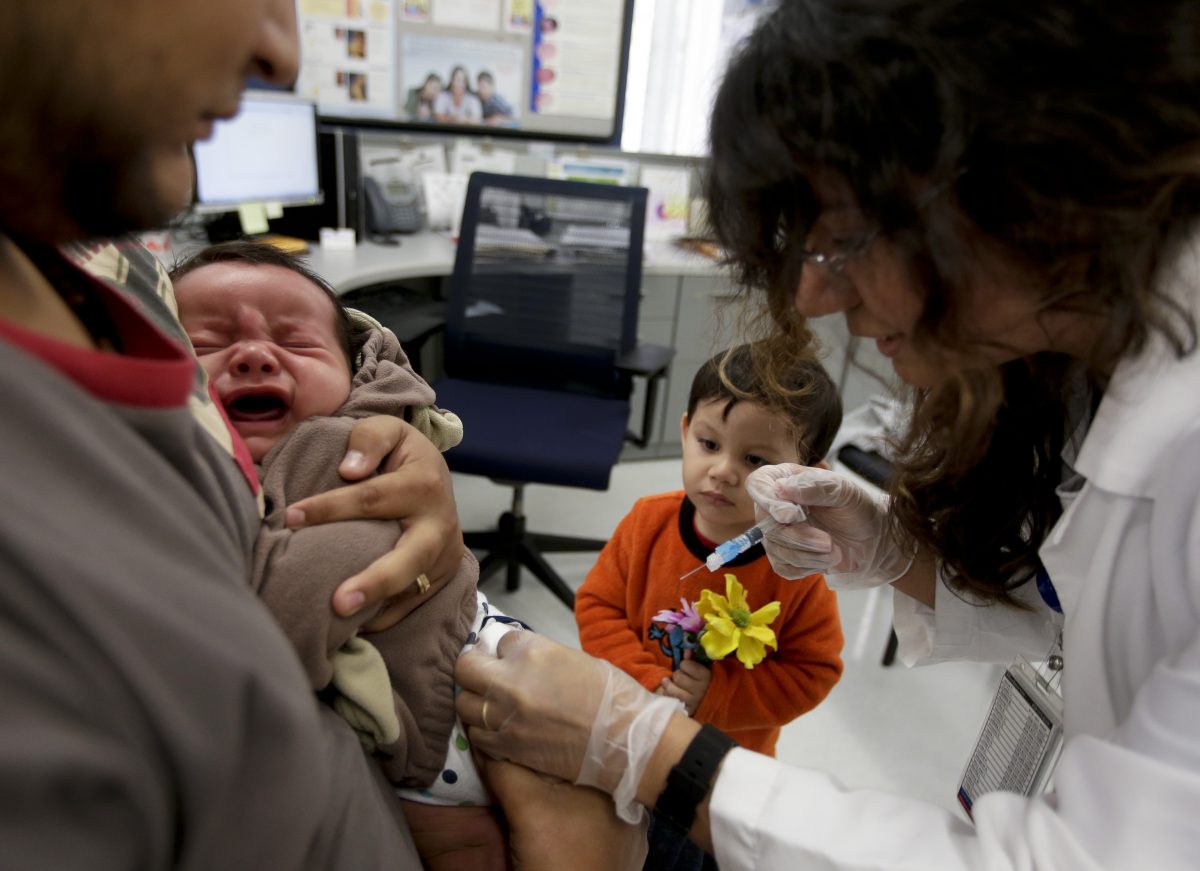
Babies with pertussis may not have a cough. Instead, they may have pauses in their breathing that cause them to turn blue, or they may struggle to breathe.
The disease, which is caused by a type of bacteria called Bordetella pertussis, is found only in humans.
Treating the illness early with antibiotics may make the infection less serious, according to the CDC.
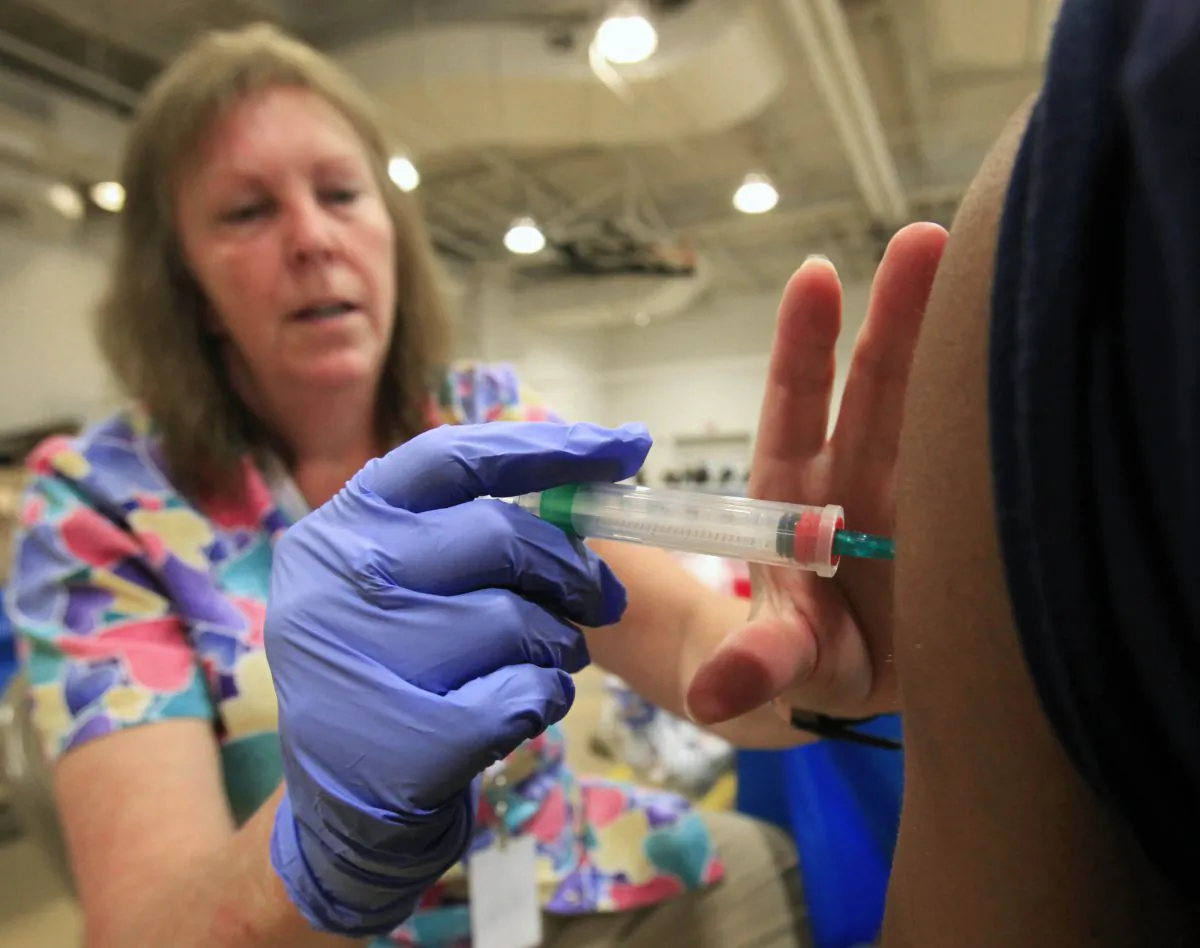
Health officials say the best way to prevent infection is vaccination.
 Friends Read Free
Copy
Facebook
Tweet
Friends Read Free
Copy
Facebook
Tweet