
In the month since the Bondi terror attack that killed 15 people and injured 40 on Dec. 14, Australian authorities had little chance for pause and were furiously responding to the worst terror attack in the country’s history.
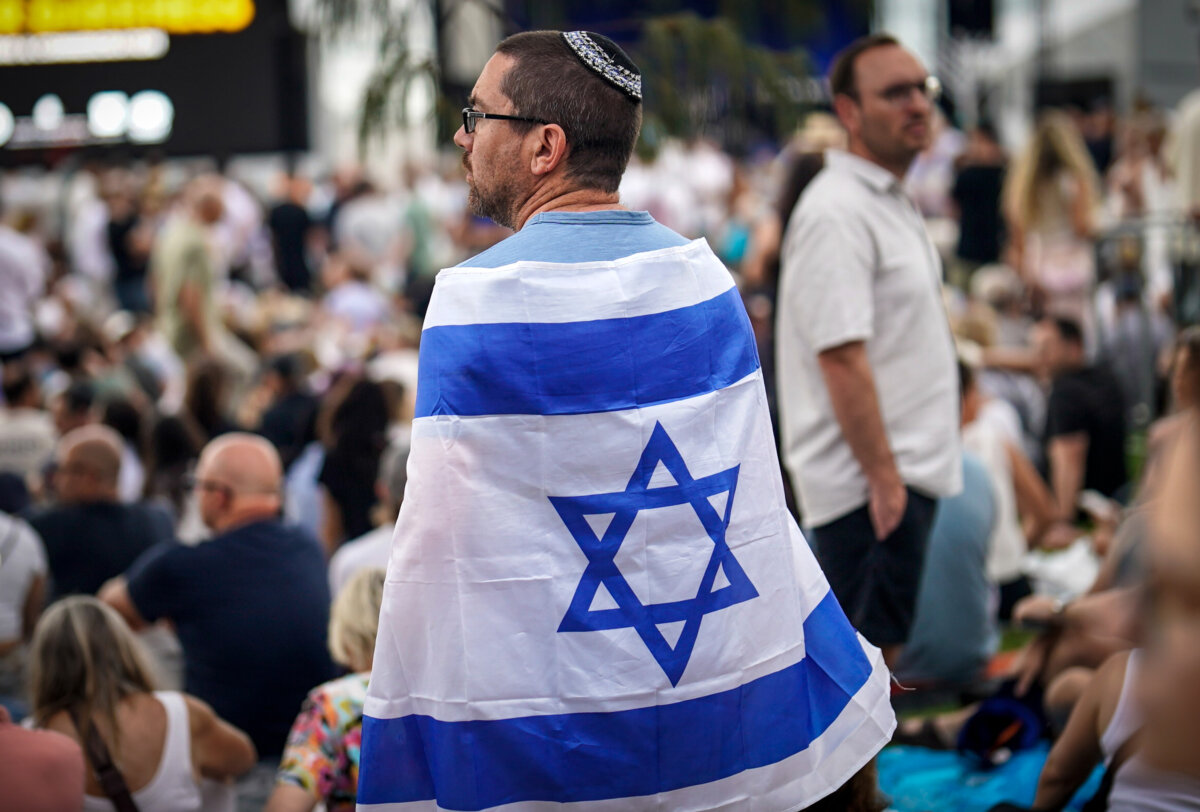
The attack targeted a celebration on Bondi Beach attended by 1,000 people on the first night of the Jewish Hanukkah.
Father and son, Sajid Akram, 50, and Naveed Akram, 24, opened fire on the crowd from a nearby footbridge. Sajid Akram was shot dead by police at the scene, while his son was critically injured.
Authorities later described the shooting as ISIS-inspired. It came after a two-year build-up of anti-Semitism since Oct. 7, 2023, which included incidents like anti-Semitic graffiti, regular arson attacks, and the firebombing of the Adass Synagogue in Melbourne.
But since the Bondi incident, how have authorities responded so far?
A Royal Commission
Three weeks after the attack, Prime Minister Anthony Albanese agreed to a federal-level royal commission to investigate its underlying causes.
Former High Court Justice Virginia Bell will serve as the sole commissioner, joined by former ASIO Director-General Dennis Richardson.
For weeks, Albanese resisted, even arguing at one point that the inquiry would offer a platform for anti-Semitic views.
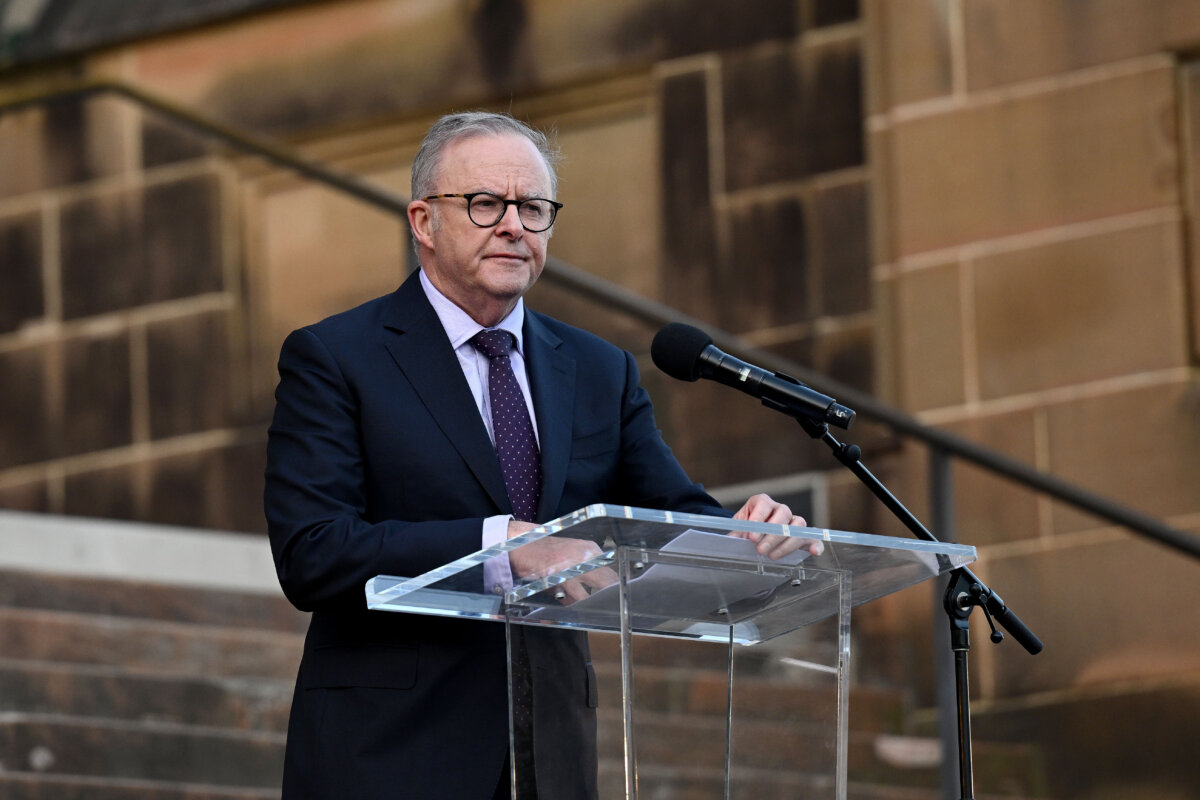
However, after sustained pressure from Jewish groups, Labor Party members, business leaders, the sporting community, and even the families of victims, he relented.
Federal Inquiry into Intelligence Agencies
Initially, the government proposed two narrower reviews: the Gonski Review into anti-Semitism in education, and the Richardson Review into whether federal law enforcement and intelligence agencies could have done more to prevent the attack.
Critics said those reviews lacked the powers to examine broader failures.
A National Gun Buyback Scheme and State Restrictions
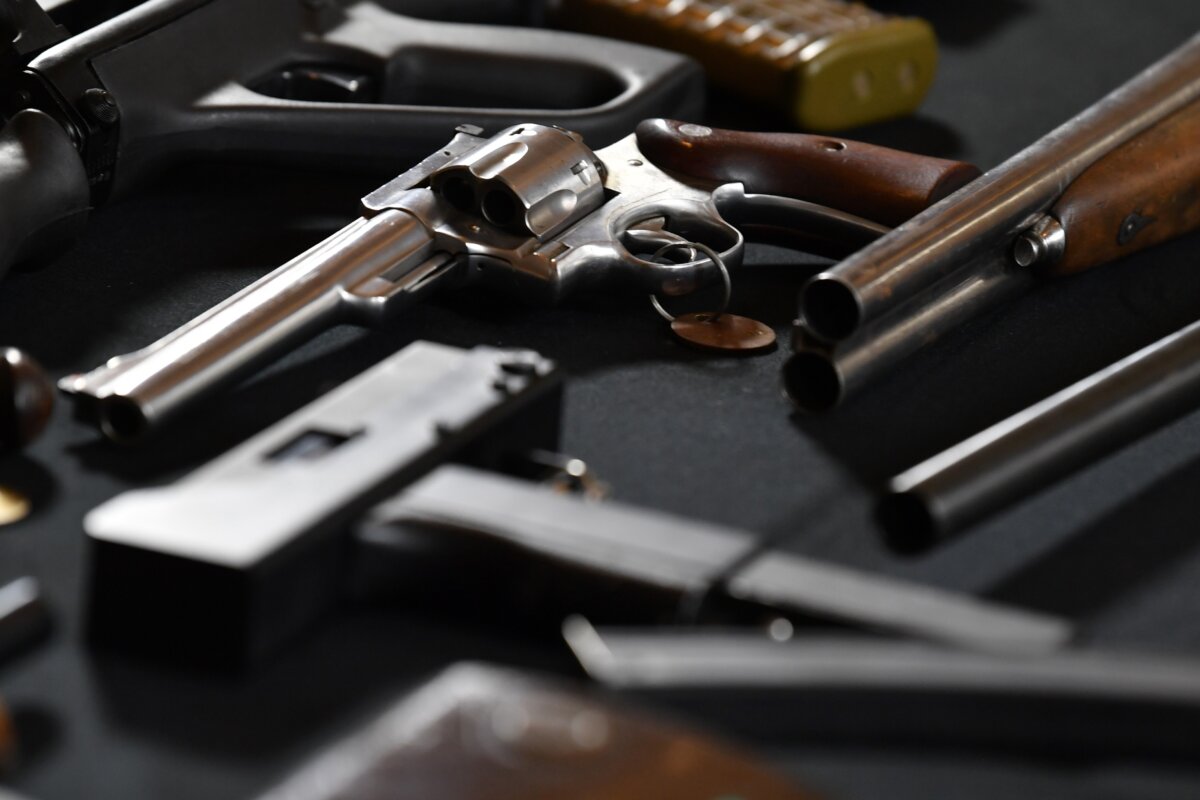
Under the federal government’s impending Combating Anti-Semitism, Hate, and Extremism Bill 2026, the country will undergo another national gun buyback scheme.
The measures will also restrict imports of assisted-repeating and straight-pull firearms, belt feeders, magazines over 30 rounds, suppressors, and speed loaders.
Importers will face stricter citizenship checks to limit proxy importing. Avenues for review will also be removed.
It also plans to fold civilian gun licensing into the AusCheck system, applying national-security vetting used in aviation and other sensitive roles.
ASIO and the Australian Criminal Intelligence Commission will share more intelligence.
The New South Wales government was fast out of the blocks with their gun restrictions.
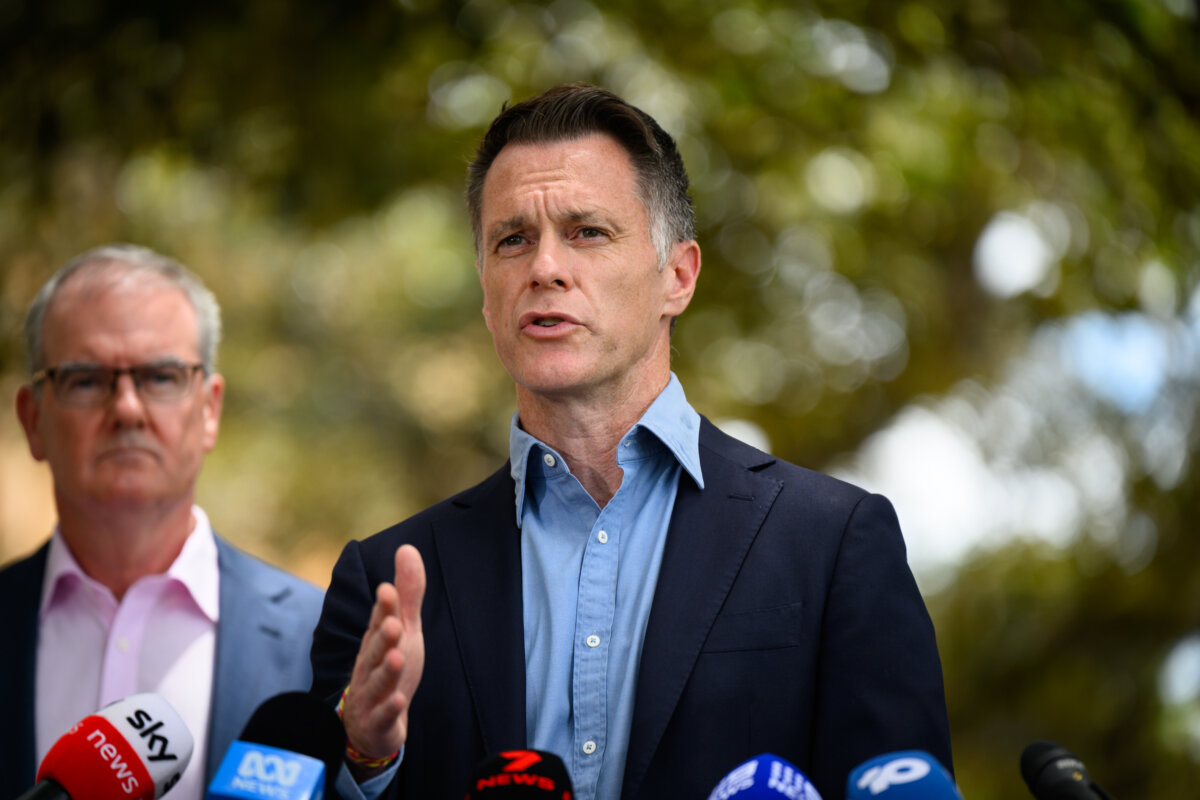
On the 10th day from the attack, Premier Chris Minns reconvened state parliament and passed the Terrorism and Other Legislation Amendment Bill 2025.
A new cap on firearm ownership was introduced to four guns per person, with exemptions allowing farmers up to 10.
The state law restricts straight-pull and pump-action firearms to primary producers, reduces magazine capacity, bans belt-fed firearms, mandates gun-club membership, removes NCAT appeal rights, requires GunSafe registration, and enforces storage inspections before permits. A licence audit and buyback scheme will follow.
Swathe of New Hate Offences
At the federal level, Labor’s Combating Anti-Semitism, Hate, and Extremism Bill 2026 also includes a swathe of new hate and extremism offences.
These include criminal penalties for hate preachers who radicalise children, increased penalties for hate crimes, and sentencing provisions that treat extremist motivation as an aggravating factor.
It introduces a new offence covering speech, symbols, gestures, and online communication intended to promote or incite hatred on the basis of race, colour, or national or ethnic origin.
Under the proposed law, prosecutors would not need proof that a person was actually frightened. If the conduct would reasonably make an ordinary person feel threatened, harassed, or unsafe, it could still be prosecuted.
The legislation also expands bans on prohibited symbols, eases visa cancellation or refusal for individuals spreading hatred, and allows the Home Affairs Minister to list “Prohibited Hate Groups,” which makes membership, funding, or any form of support a criminal offence.
Maximum penalties of up to five years’ imprisonment apply, with higher sentences for aggravated offences.
At state level, NSW quickly banned the public display of terrorist symbols linked to ISIS, Hamas, and Hezbollah, with penalties of up to two years’ jail or a $22,000 fine.
Police now have the power to restrict authorised assemblies for up to 14 days after a terrorism declaration—extendable to three months—and require removal of face coverings at protests.
NSW initially launched a state royal commission before deciding to merge it into the federal one.
Radical Islamist Prayer Hall Closed
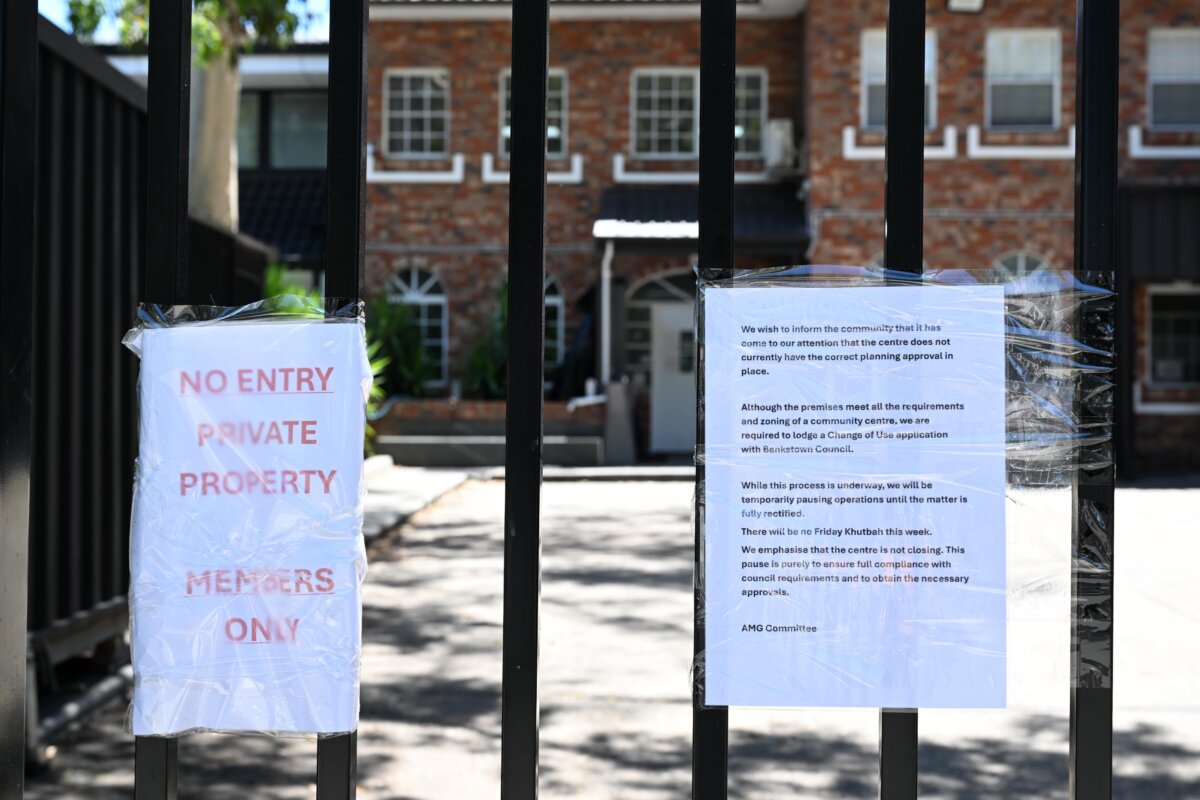
The Sydney-based Al Madina Dawah Centre, which authorities linked to the radicalisation of youth, was closed permanently on Jan. 14 following new NSW enforcement powers.
Investigators had linked the attack to extremist religious ideology and confirmed Naveed Akram was a follower of Sydney-based preacher Wisam Haddad, who has long been accused of radicalising young people at his Bankstown prayer centre.
Nine days after the attack, Canterbury-Bankstown Council initially suspended its use because of a lack of planning approval as a religious facility.
The state government later bestowed stronger powers to councils to shut down “illegal hate preaching venues.”
“This reform is aimed squarely at shutting down ‘factories of hate’—places that operate unlawfully while promoting hatred, intimidation, or division within the community,” the NSW government said.
NSW Police and the Department of Planning, Housing, and Infrastructure will now work with councils to enforce the new laws.
The Al Madina Dawah Centre confirmed its permanent closure on Jan. 14.
What About the Bridge?
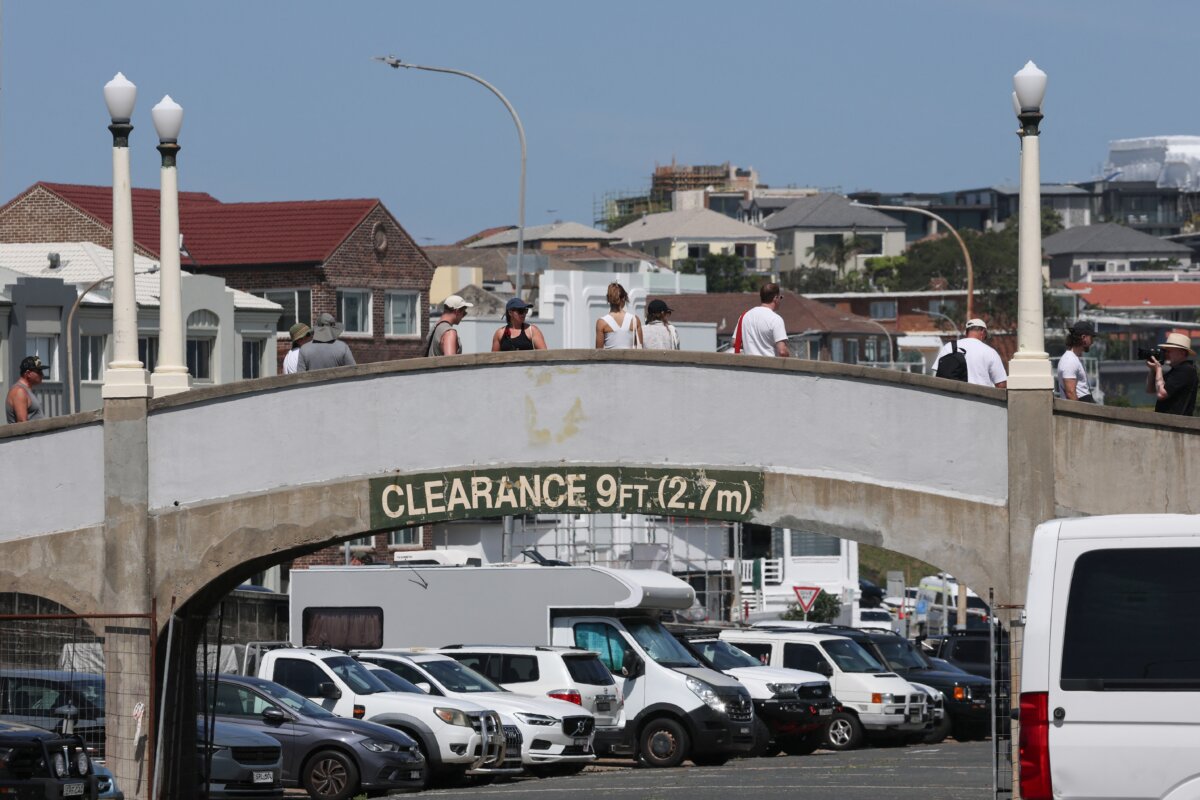
Debate remains over the future of the pedestrian bridge that connects Campbell Parade to Archer Park from where the shooters fired.
Premier Minns has called for the bridge to be demolished, saying it could become a “ghoulish reminder” of the attack.
Waverley Council has received mixed community feedback. While the bridge is heritage-listed, a 2024 engineering report found both nearby pedestrian crossings were nearing the end of their usable life.
The council has said it will consider structural assessments and community consultation before determining the bridge’s future.
 Friends Read Free
Copy
Facebook
Tweet
Friends Read Free
Copy
Facebook
Tweet