
Australians remember 2014 as the year terrorism struck the heart of Sydney, when an ISIS-inspired gunman seized the Lindt Cafe and left two people dead.
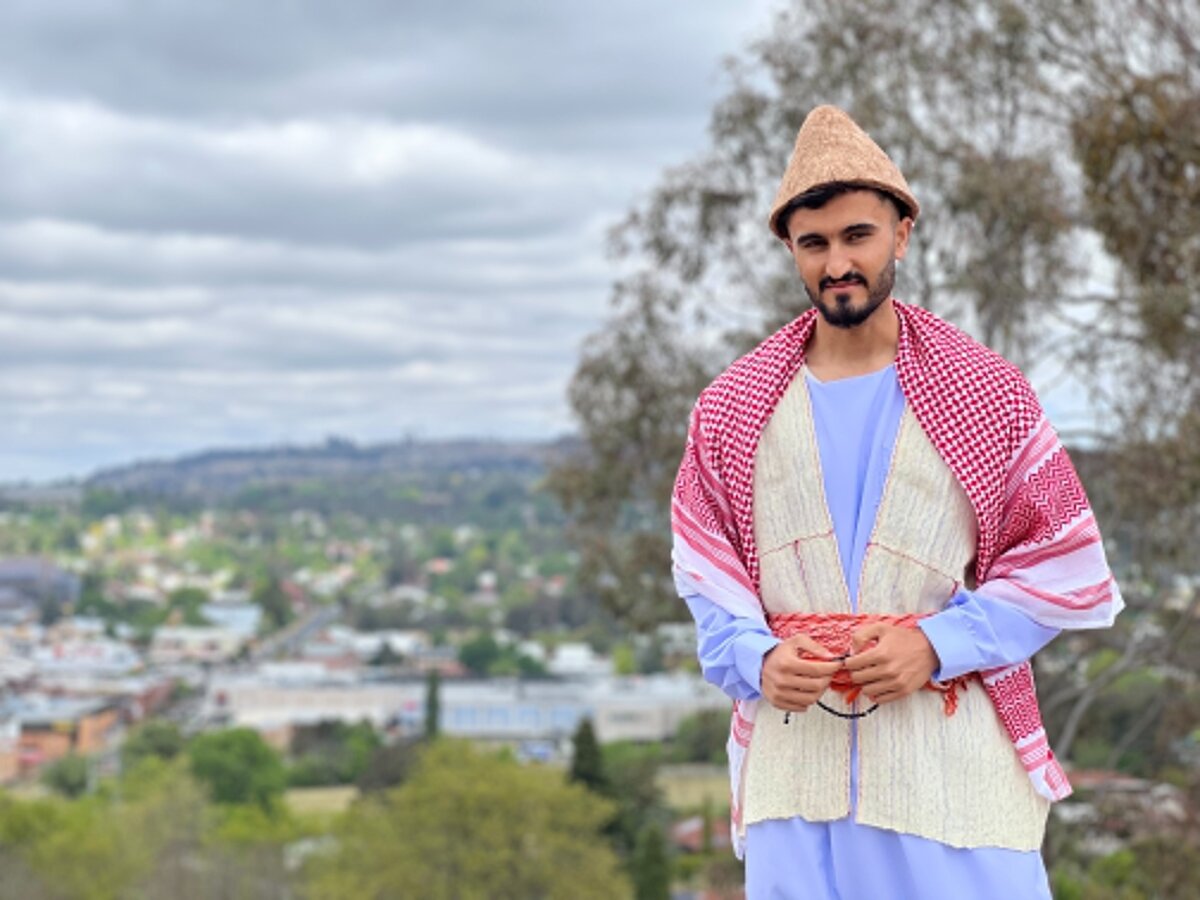
About 13,000 kilometres away, the now-Australian citizen Ayman Abas, was confronting his own nightmare scenario—fleeing for life under the cover of darkness from ISIS.
While Man Haron Monis terrorised customers in the name of the extremist ideology, the leader of Abas’s village in Iraq was threatened to convert to Islam or face death.
“We barely could live,” Abas told The Epoch Times. “So the people of the village gathered together to plan the escape.
“So, it was in the night, about 9 p.m. … they said, ‘We will walk to the mountain.'”
Around 500 community members trekked eight hours, escaping to the mountain under the cover of darkness.
The group would go on to Northern Iraq before making their way to large refugee camps in the Kurdistan region.
“But it was hard,” Abas said.
Three-hundred members of a neighbouring village were not so lucky, ISIS caught them attempting to flee.
“Too many people were killed, and many women and girls were raped,” Abas said. “It was sad, extremely sad.”
Abas’s own cousin is among 3,000 Yazidis still unaccounted for after being kidnapped by ISIS.
In total, around 10,000 Yazidis were killed or kidnapped by ISIS during the four-year war between the Iraqi forces and the terror group from 2014 to 2019.
Abas’s comments come amid the return of ISIS-linked “brides” and children to Australia.
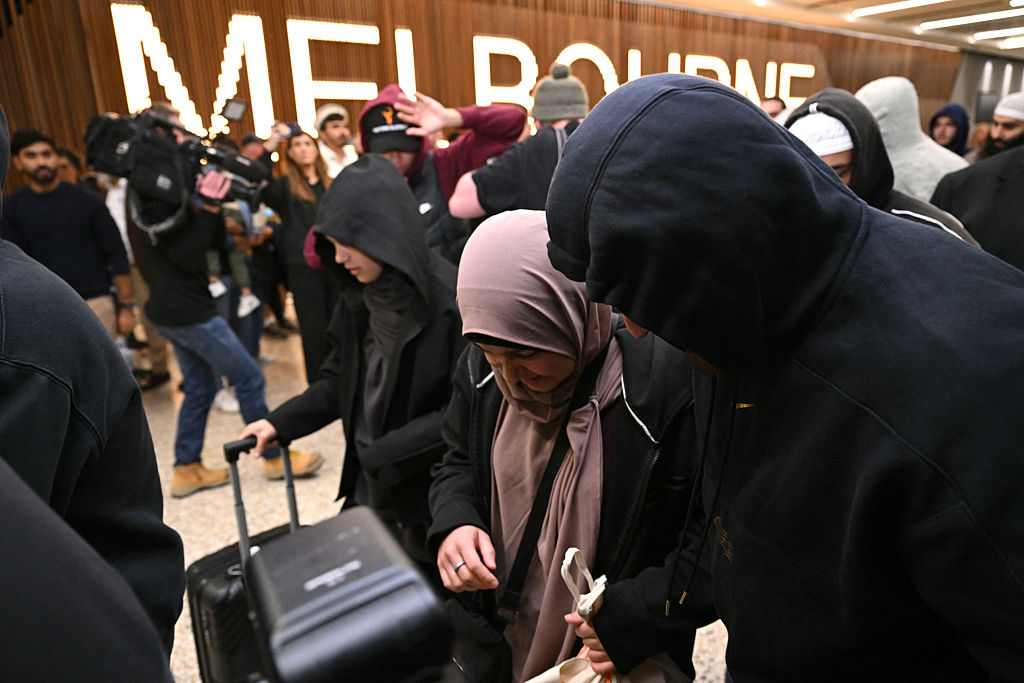
On May 7, a group of four women and nine children arrived in the country with three adults arrested immediately.
Between them, they would be charged with six crimes including keeping and using a slave, and engaging in slave trading, according to Australian Federal Police (AFP) Assistant Commissioner Stephen Nutt.
Regarding the children, the AFP says they “will be asked” to undergo community integration programs, therapy, and Countering Violent Extremism programs.
Yet Abas is not so optimistic about their chances of assimilation.
“I didn’t see them, but I saw them in videos. They are even worse than their fathers. They’re raised with the ISIS ideology, so that’s why it’s a heightened danger,” Abas said.
His comment alludes to the fact many older ISIS fighters that flew overseas lived in relative normalcy before being radicalised, whereas children born or raised during the height of the ISIS reign in the Middle East have grown-up with the ideology.
“It’s very dangerous for the future,” Abas said. “Because in the future their children will be dangers to the community.”
There are about 1 million Yazidis in the world with about 7,000 living in Australia, mainly in regional towns like Toowoomba and Coffs Harbour.
Yazidis are an ethnoreligious group, mainly centred around northern Iraq, believing in one single God and the presence of angels—a belief system dating around 6,700 years old.
Because they do not have a holy book it made them enemies of ISIS, Abas says.
Second ISIS-Linked Group Return to Australia
A second cohort of ISIS brides and their children left the Al-Roj camp in Syria on May 21 and arrived in Australia on May 26.
The AFP announced no charges would be laid yet.
Federal Labor Minister Tanya Plibersek said the second group would also face the law upon their return.
“They’ll face the same consequences as the first group,” she told the ABC.
“If there are any crimes that they’re accused of, they’ll be taken into custody and treated with the full force of the law.”
The second group comprises of seven ISIS-linked Australian women and 12 children. Another woman is the subject of a temporary exclusion order, which the Home Affairs minister can issue to prevent her return on national security grounds.
Shadow Home Affairs spokesman Jonathon Duniam told media last week he feared the impending cohort could be more dangerous than the last.
“It has been put to me by some who know a little more about this cohort than the government are letting on, that the remaining individuals are of probably greater risk to our safety and our security than those who have returned already,” Dunham told Sky News Australia on May 20.
 Friends Read Free
Copy
Facebook
Tweet
Friends Read Free
Copy
Facebook
Tweet