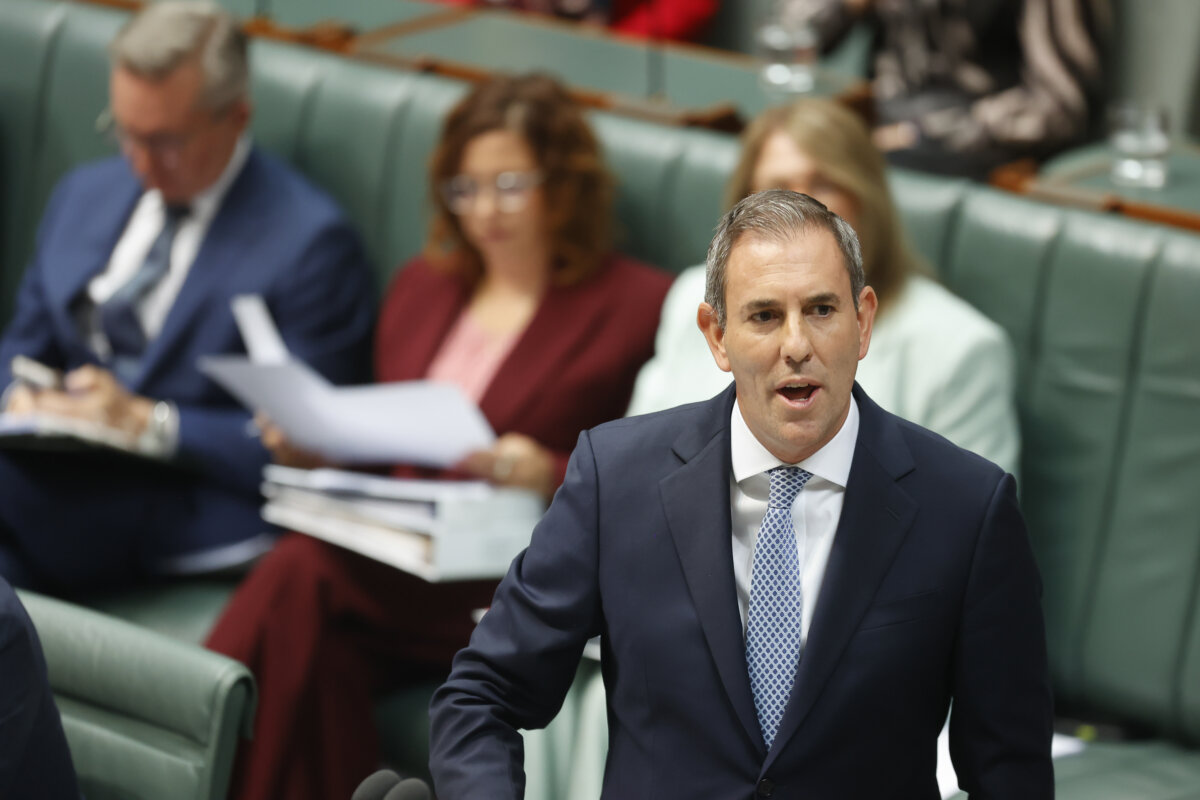

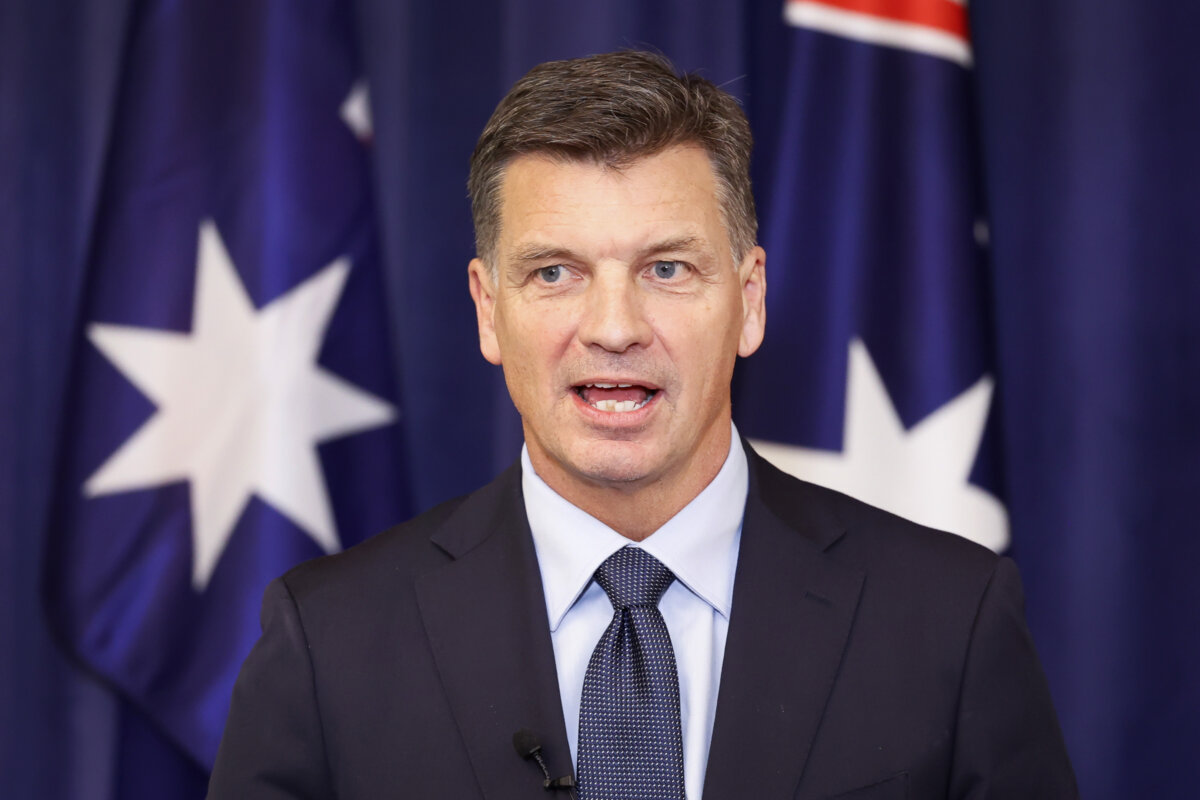
Treasurer Jim Chalmers has dismissed a new push from Opposition Leader Angus Taylor to set up a bipartisan budget taskforce to deal with high government spending, calling it “an old predictable stunt.”
Taylor wrote to Prime Minister Anthony Albanese over the weekend urging the government to create the cross-party group to review spending and identify areas for restraint before the official budget is handed down
Taylor said the taskforce should be established to “identify practical, responsible and jointly supported measures for spending restraint.”
“Record levels of government expenditure are contributing to higher inflation, upward pressure on interest rates and a growing public debt burden that will ultimately fall on future generations of Australians,” Taylor said in the letter.
However, Chalmers rejected the proposal and attacked Taylor’s record, arguing the former shadow treasurer had no credibility on budgets.
The treasurer also described Taylor as “the architect of the Liberal Party’s policy for higher taxes on workers, bigger deficits and more debt.”
“After the way he failed as shadow treasurer, he should be let absolutely nowhere near a budget. He is the last person that anyone should be taking advice from or lectures from when it comes to the budget position or spending restraint,” he told Sky News Australia.
In a later address at the Centre for Independent Studies, Taylor was unbothered by Chalmers’ remarks while acknowledging that Labor did not accept his proposal.
“I’m not interested in the treasurer’s ego. I’m interested in fighting for the Australian people,” he said.
Labor Claims Budget Restraint
Chalmers also pushed back on Coalition claims of a spending blowout, saying Labor had reduced spending as a share of the economy from “almost a third of the economy, to closer to a quarter of the economy.”
“We know that there’s more work to do, but that spending restraint is one of the reasons why we’ve delivered two surpluses,” he added.
In response, Deputy Liberal Leader Jane Hume said Chalmers was avoiding scrutiny and “trying to defect from his own failings.”
“This was a genuine offer of bipartisanship from a newly minted leadership of the opposition to say if you want to get spending under control, we will help,” she told Sky News Australia.
Meanwhile, the Mid-Year Economic and Fiscal Outlook (pdf) released on Dec. 17 projected the budget would remain in deficit for at least the next decade, with deficits extending into the 2030s.
Gross debt is forecast to hit $993 billion, or 34.0 percent of GDP, in 2025–26. Debt is expected to peak at 37.0 percent of GDP in 2030–31, before easing to 33.0 percent by 2035–36.
IMF Urges Budget Cuts
The political standoff between Labor and the Coalition coincides with fresh warnings from the International Monetary Fund (IMF), calling for restraint on taxpayer-funded spending.
The IMF, in a report released on Feb. 15, called for “comprehensive tax and expenditure reforms,” while advising governments to prioritise infrastructure to lift productivity.
The IMF also urged federal, state and territory governments to work more closely on budget planning, and to regularly track the financial position of their budgets.
Housing was singled out as a key challenge, with the IMF saying there needed to be more work done on easing supply via tax changes and speeding up building.
The IMF also cautioned against poorly targeted industrial policy linked to the net zero transition, warning it should be “narrowly focused to address market failures.”
Chalmers Defends IMF Report
Instead, Chalmers hailed the IMF report as “a stunning endorsement of Australia, but also the government’s economic plan.”
He said it showed the government’s mix of cost-of-living relief, budget repair and economic reform was working.
“We’ve got a tax policy already. It’s all about cutting income taxes for 14 million Australian workers,” Chalmers said.
“We’ve got an agenda on multinational taxes. We’re boosting the low income offset in the superannuation system. So we’ve already got an ambitious tax agenda.”
However, former Shadow Treasurer Ted O’Brien argued the IMF’s concerns, which had been raised in a similar report in January, reflected Labor’s unrestraint spending approach.
He claimed that government spending under Labor was rising “13 times faster than the Coalition budgeted for” and was growing at its fastest pace outside of recession in nearly 40 years.
 Friends Read Free
Copy
Facebook
Tweet
Friends Read Free
Copy
Facebook
Tweet