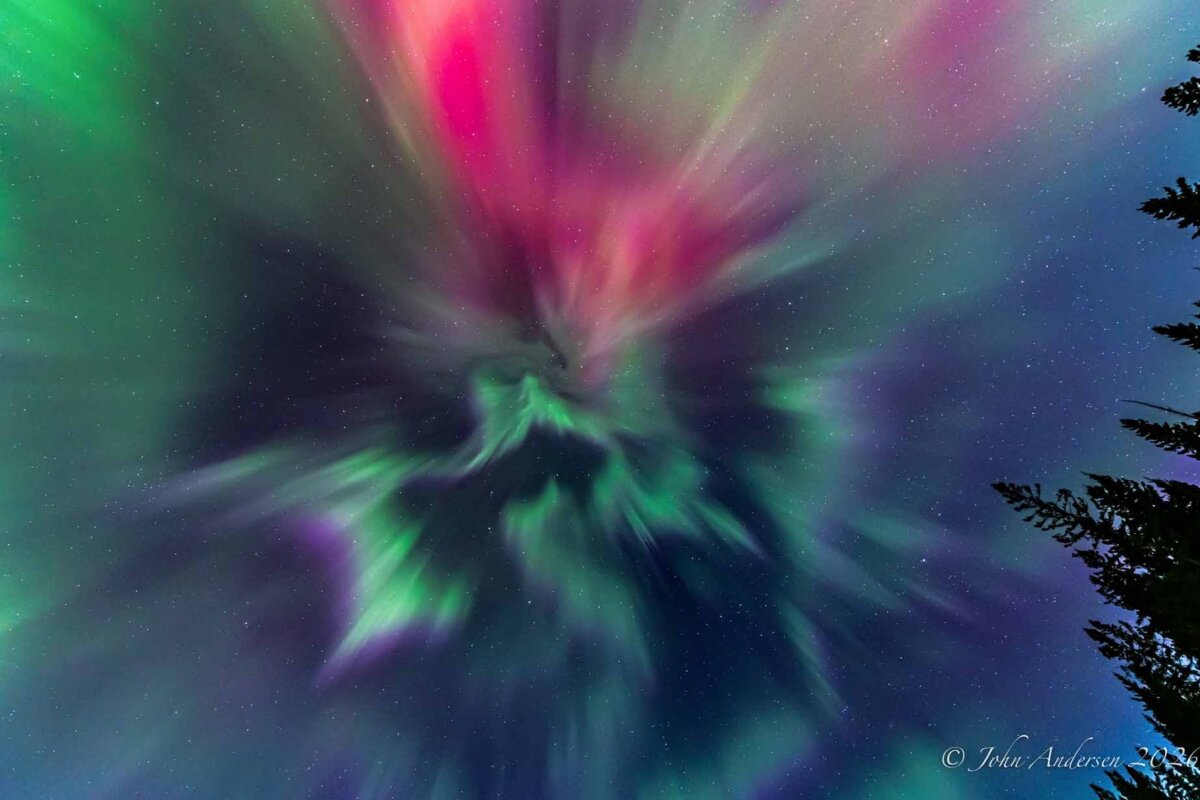

The night sky will begin glowing with waves of pink, green, and purple lights as spectacular auroras hover over North America in the coming days.
Aurora borealis, also called the northern lights, is caused by charged particles from the sun getting trapped in Earth’s magnetic field.
To viewers on Earth, they look like dancing lights hundreds of kilometres up, displaying different colours at different altitudes.
The most common source of auroras is material ejected from the sun in coronal mass ejections (CMEs).
Earlier this week, space weather specialists noted solar flares and several CMEs, indicating moderate (G2) to strong (G3) geomagnetic storms were on the way. The National Oceanic and Atmospheric Administration predicted disturbances and aurora borealis over large swaths of North America.
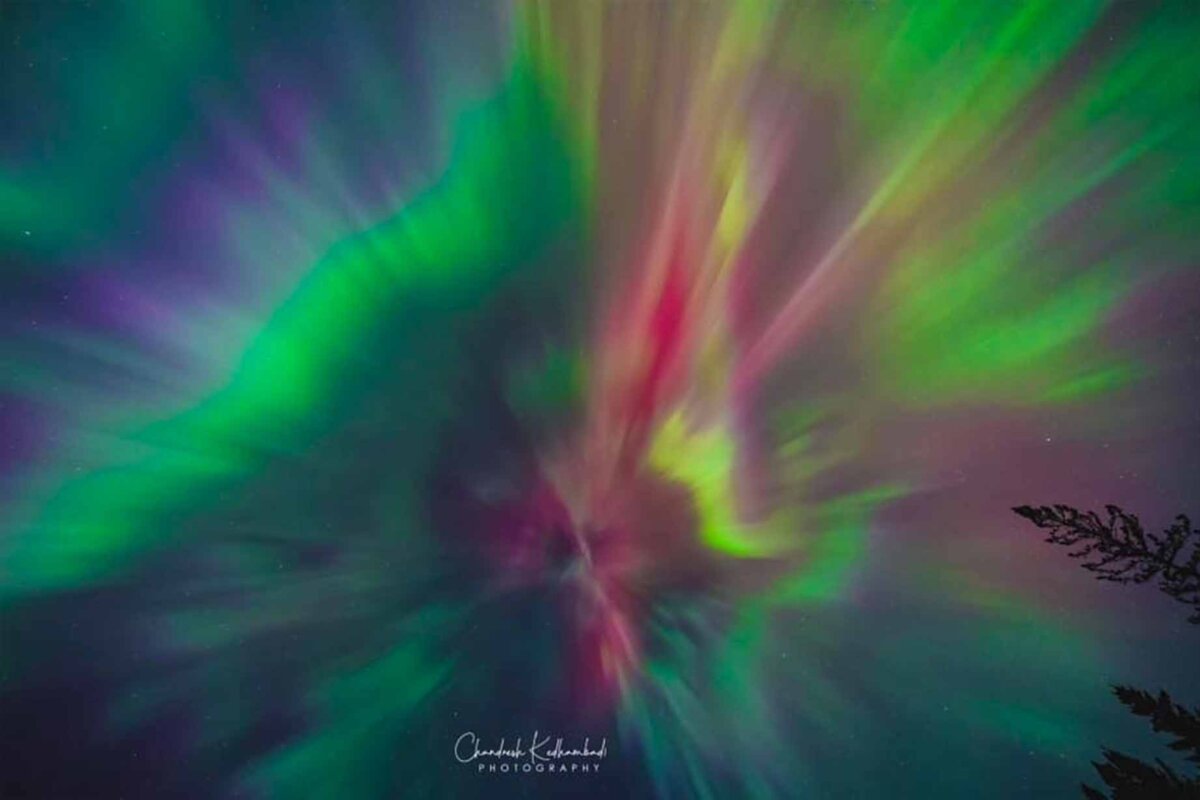
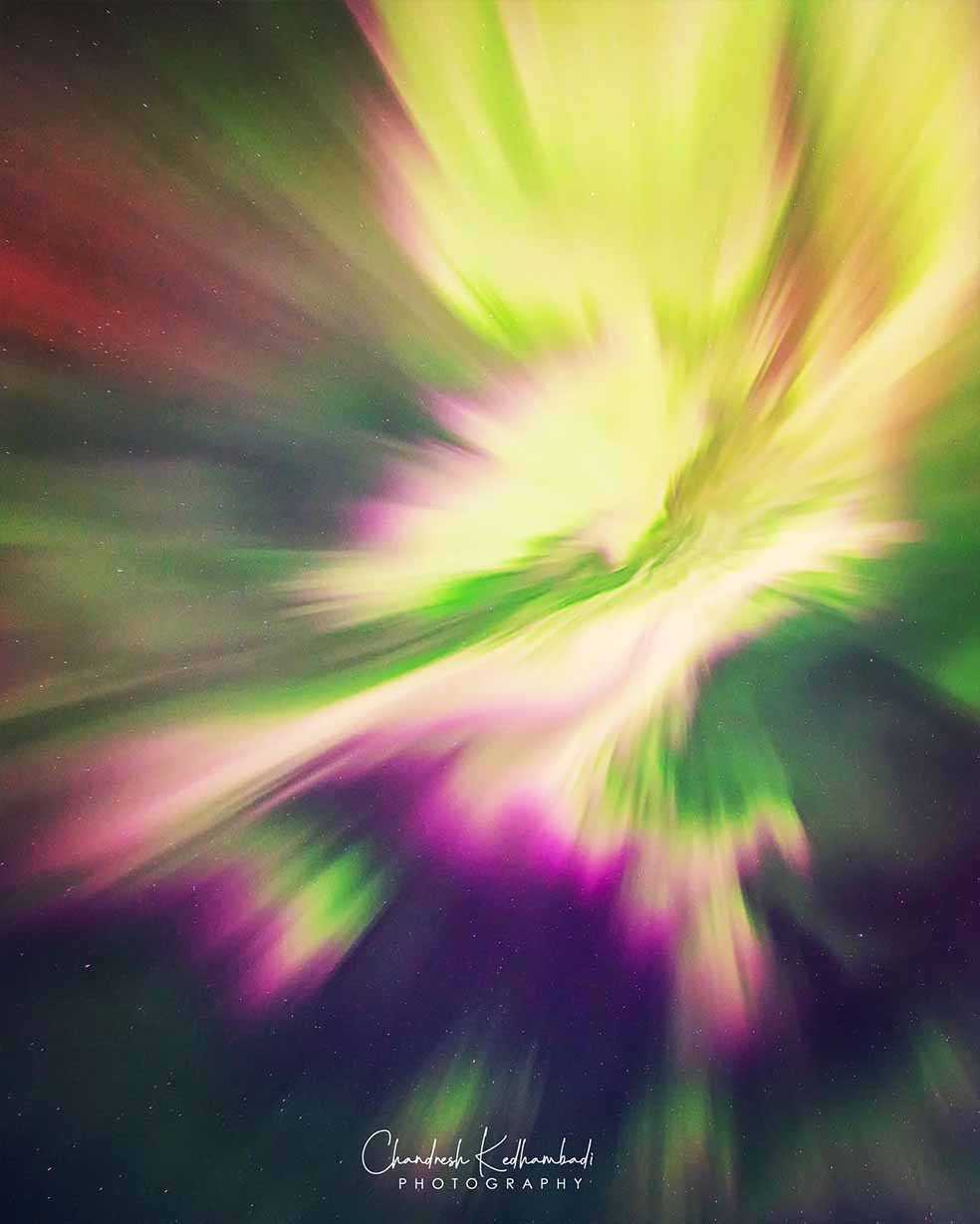
On March 19, the first CME of three arrived, triggering geomagnetic storms, primarily over central and western Canada and the northern United States. This disruption of Earth’s magnetosphere now means the next CMEs could be even more dramatic. It also means the solar storms could continue until March 21.
But while geomagnetic storms can impact satellite systems and infrastructure, they’re also a spectacle to be enjoyed. Chandresh Kedhambadi, founder of Alberta Aurora Chasers, told The Epoch Times he expects to see an interesting palette of colours when he drives out to photograph the auroras overnight on March 19.
“A G2 event can produce visually striking greens and, at times, subtle reds and pinks if the aurora strengthens,” Kedhambadi said. “From an aurora-viewing standpoint, expect moderate auroral displays—potentially active arcs, bands, and occasional bursts of movement rather than a full sky-filling storm.”
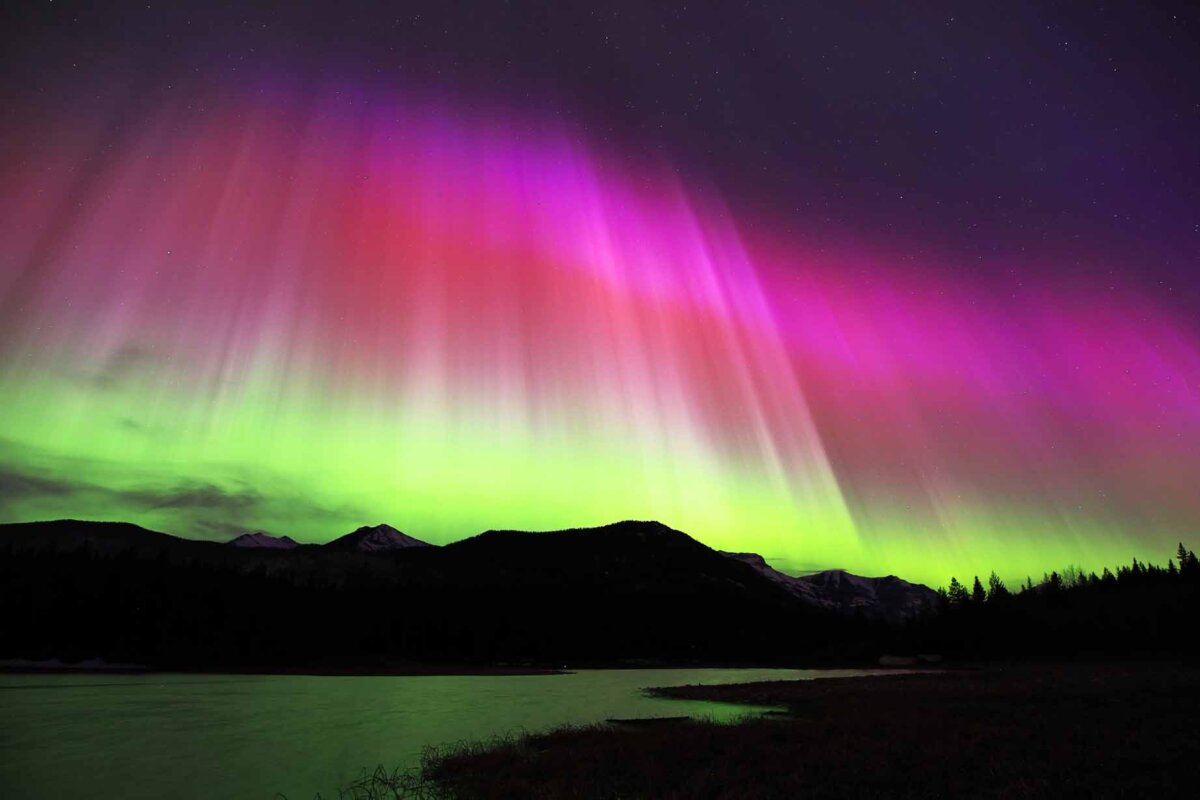
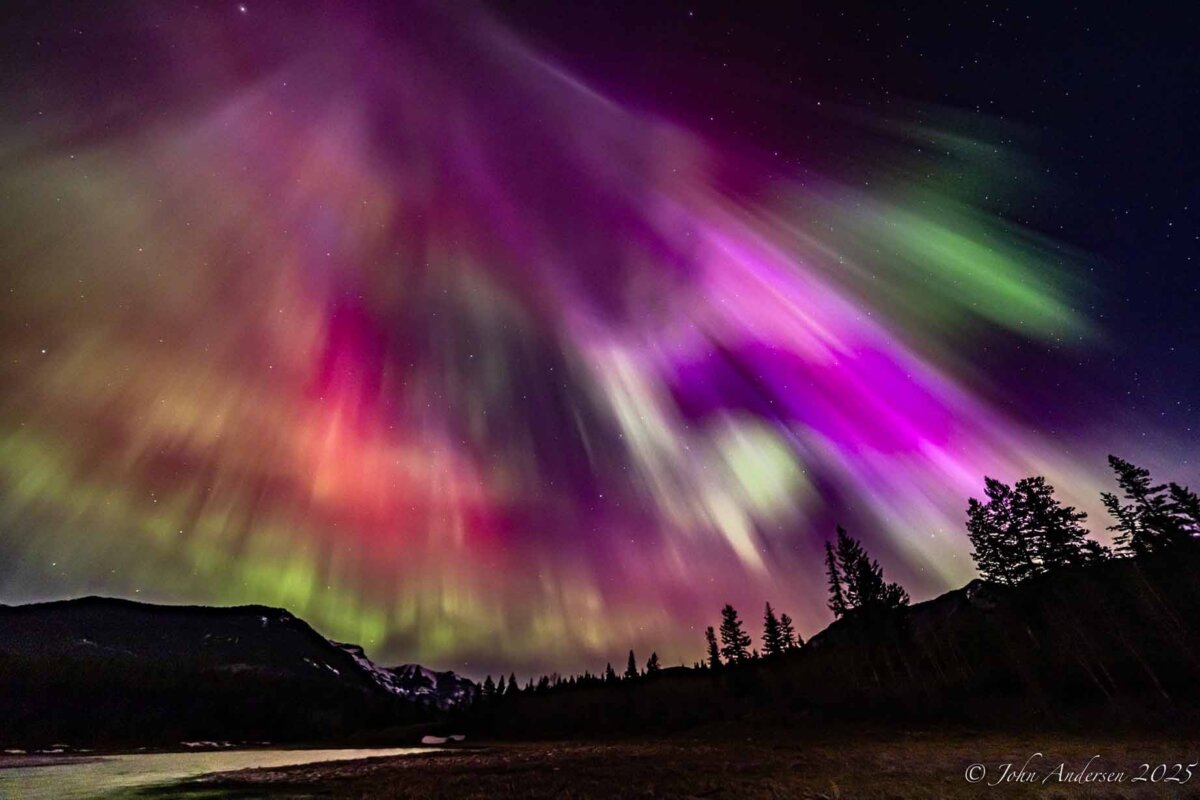
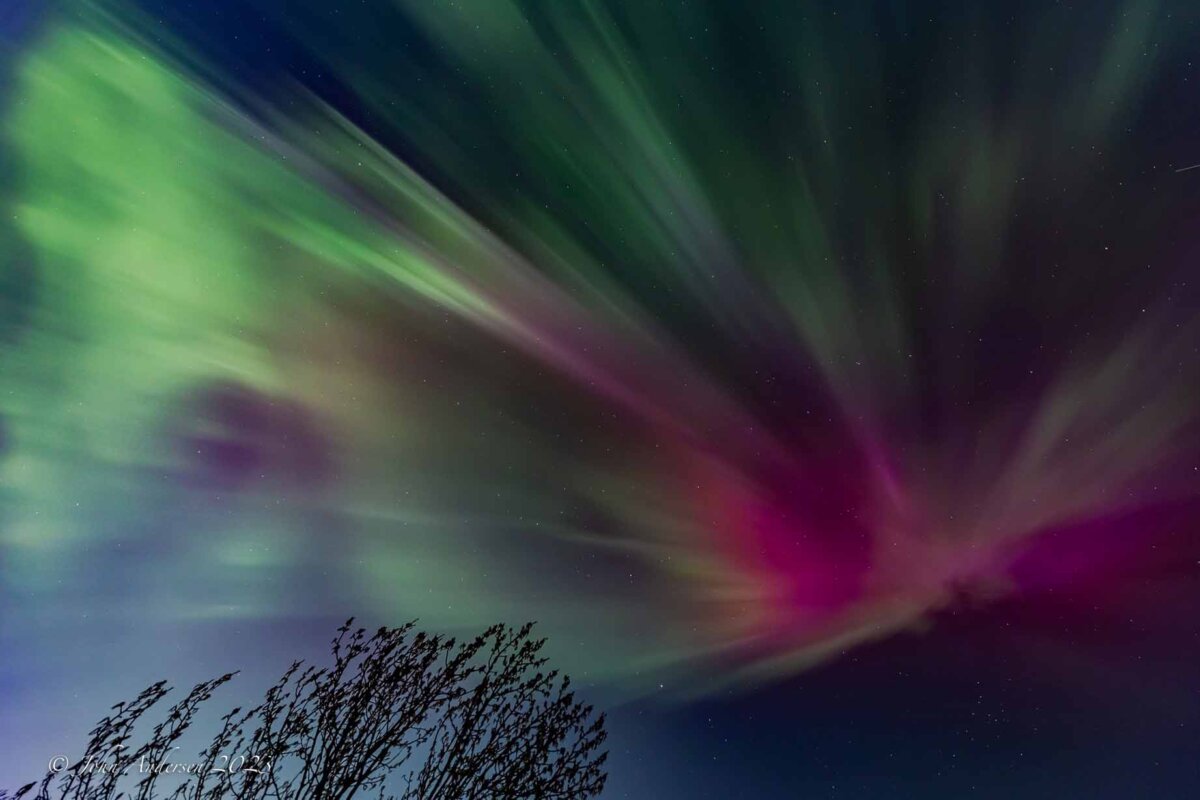
The spring equinox will also enhance the event. It provides the optimal tilt in Earth’s axis with respect to solar wind, maximizing the interplay between our magnetosphere and the stuff from the sun. This phenomenon, called the Russell-McPherron effect, is the reason we have an aurora season.
For anyone wanting to watch the show, clear skies are key. Seasoned aurora chaser John Andersen, from Calgary, says to watch the weather and be willing to drive outside city limits for the best possible view.
“Many newbies make the mistake of sitting in their car,” Andersen said, offering more hints. “Better to get out to a dark sky location away from city lights. Use your phone or camera to take test shots as the sensors are better than your eyes!”
 Friends Read Free
Copy
Facebook
Tweet
Friends Read Free
Copy
Facebook
Tweet