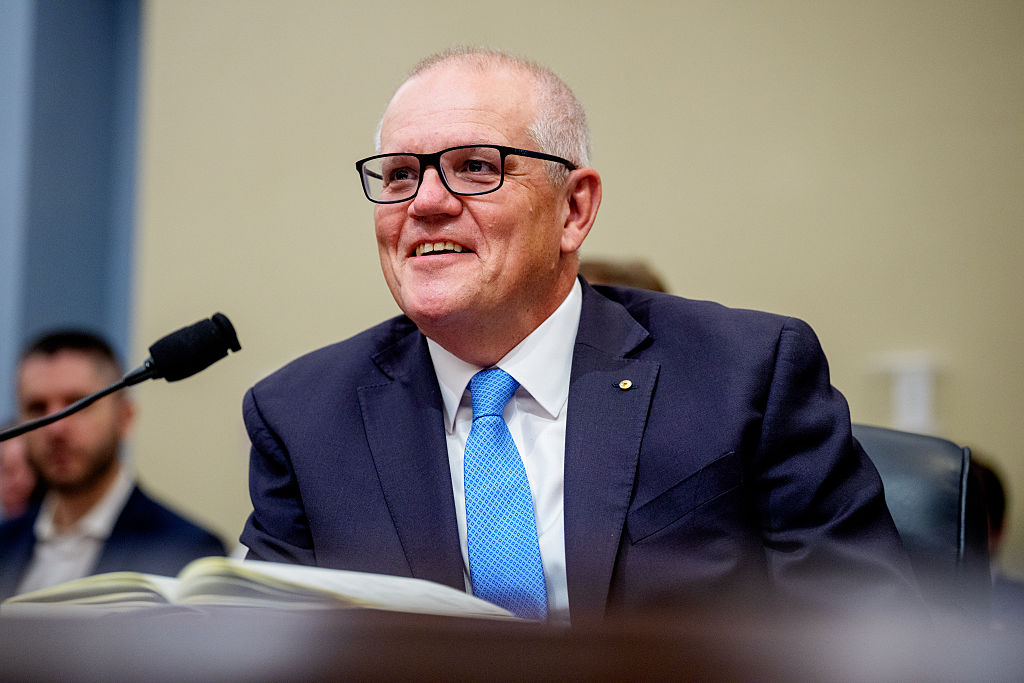

Anti-dumping measures pose a real threat to the Chinese Communist Party (CCP) and offer Western countries a practical tool to counter the regime’s harmful economic practices, according to former Australian Prime Minister Scott Morrison.
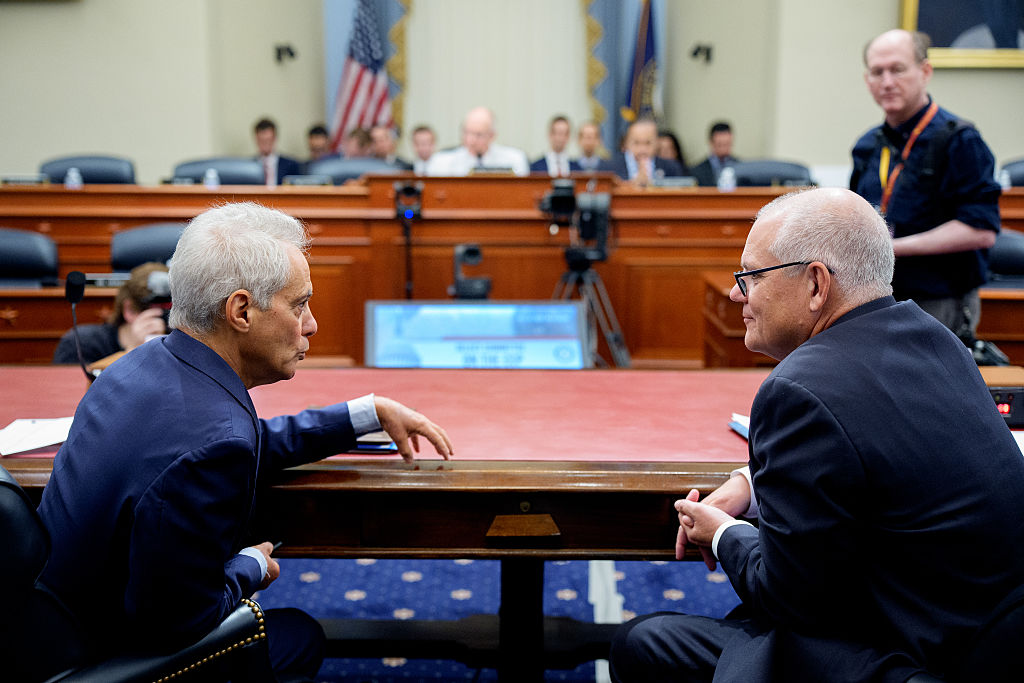
Morrison made the remarks during testimony at a U.S congressional hearing on the CCP’s use of economic coercion against democratic countries.
During the hearing, a member of Congress asked Morrison how the United States could deal with the CCP’s goods-dumping practice.
“How should Congress strengthen our enforcement of countervailing duties and anti-dumping measures in a way that not only holds China accountable, but also ensures timely relief for American workers and producers?” the member asked.
In response, the former prime minister said the CCP was afraid of anti-dumping measures.
“Anti-dumping, I think, is a real threat to China, and not just here in the United States or Australia, but increasingly in developing economies all around the world,” he said.
Morrison referred to his own experience as prime minister, when tensions escalated between Australia and the communist regime after the former implemented policies that drew the ire of the CCP.
Following his government’s calls for an independent investigation into the origin of COVID-19 in 2020, the CCP imposed a wave of trade sanctions targeting $20 billion (US$13.2 billion) in Australian exports.
“One of the things that led to the PRC [People’s Republic of China] government imposing its trade bans on Australia was that we had taken some anti-dumping decisions on steel, on rail, for railways and rail lines and so on,” Morrison said.
“One of the conditions that the new [Australian] government agreed to in order to have all those trade bans dumped was to drop those anti-dumping decisions.”
Why Anti-Dumping Measures Matter
Morrison explained that the CCP’s economic model is built on overproduction and a relatively weak consumer economy.
This model is unusual compared to other major global economies, which are driven primarily by household spending.
According to OECD data, household consumption accounted for approximately 60 percent of GDP in advanced economies in 2022. In China, the figure was only 38 percent.
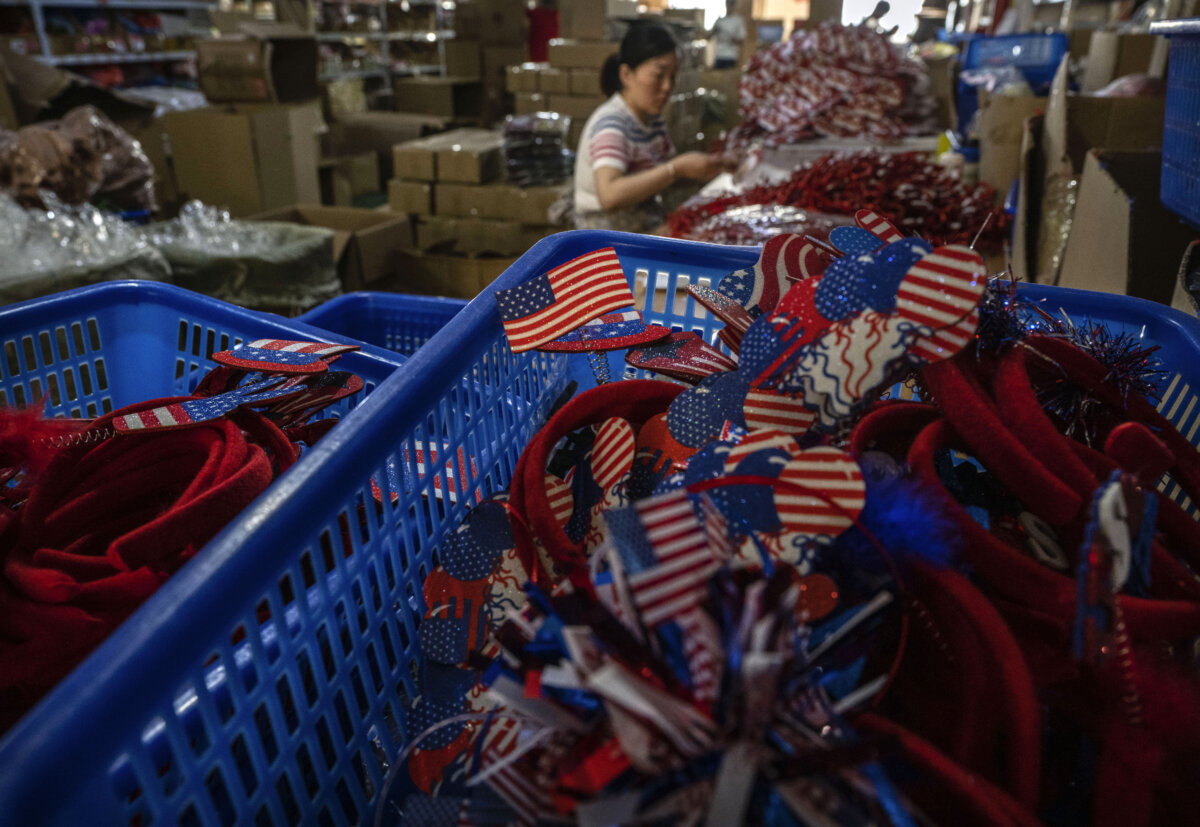
“They make up for it by driving overproduction at what are effectively non-performing prices for their state-owned enterprises,” Morrison said.
“They wear the losses. They dump the products. And this is starting to burn relationships between the PRC and what they would call their clients under the BRI [Belt and Road Initiative] program.”
“So this is a weakness for the PRC.”
Morrison: Only Global Push Can Counter CCP’s Dumping Tactics
The former prime minister then suggested that the United States and its allies work together on anti-dumping measures against Chinese exports.
“Working together with allies and partners to back each other up on those measures, I think, is really important,” he said.
“Not only will that be beneficial here, but I think it will be welcomed in developing countries.”
Morrison’s views were shared by Dan Ryan, a former board member of the Australia-China Council and a commercial lawyer, who previously told The Epoch Times that Australia should impose tariffs on Chinese imports to revive the country’s manufacturing sector.
This comes as the free trade agreement between the two countries has resulted in the decline or disappearance of a number of industries in Australia.
“We have been hollowed out industrially in Australia. We used to produce a lot more things,” he said.
“You will never be able to produce a manufacturing industry of any consequence, as long as you have a trade agreement with China that allows 100 percent of their manufactured goods to come in here duty-free.
“It is not going to happen. You’ve got to recognise that.”
 Friends Read Free
Copy
Facebook
Tweet
Friends Read Free
Copy
Facebook
Tweet