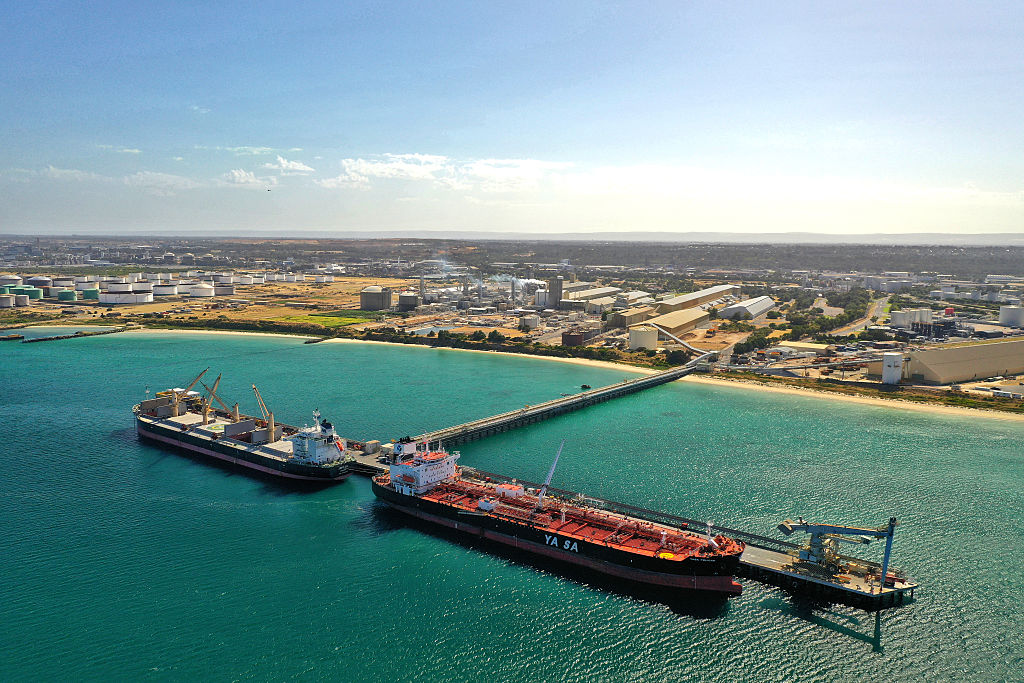

Australia has obtained an additional 31,000 tonnes of fertiliser and 50 million litres of diesel to help address supply shortages.
The latest fertiliser shipment was secured through a partnership between the government and Summit Fertilisers, while BP Australia helped secure a diesel cargo destined for Perth.
The shipments come at a time when farmers are closely monitoring fertiliser and fuel availability as they prepare for upcoming planting seasons.
Australia remains heavily reliant on overseas suppliers, with recent estimates showing the country uses about 8.7 million tonnes of fertiliser annually, 85 percent of which is imported.
Trade and Tourism Minister Don Farrell announced the latest procurement on June 9 after returning from the OECD Ministerial Council Meeting in Paris, where he led the Australian delegation.
Farrell said the agreement demonstrated the importance of maintaining strong international relationships.
“The announcement shows the value of engaging with our region and investing in our relationships at both a government and business level,” he said.
“We are taking practical steps to secure essential supplies to keep Australia moving.”
The latest delivery brings the total amount of urea secured through recent government’s policies to about 240,000 tonnes, including earlier shipments arranged with Incitec Pivot and CSBP.
Before securing the new shipments, the Labor government rolled out a $10 billion Australian Fuel Security and Resilience package aimed at strengthening the country’s fuel reserves and reducing the risk of supply disruptions in May.
Under the scheme, fuel companies will be required to hold an additional 10 days’ worth of fuel stocks on top of existing reserve requirements, providing a larger buffer against emergencies and global supply shocks.
The government also plans to establish an Australian Fuel Security Reserve with a capacity of around one billion litres.
However, Opposition Leader Angus Taylor said the package was ‘too little, too late’ and criticised the idea of building a government-owned fuel reserve that would compete with the private sector.
 Friends Read Free
Copy
Facebook
Tweet
Friends Read Free
Copy
Facebook
Tweet