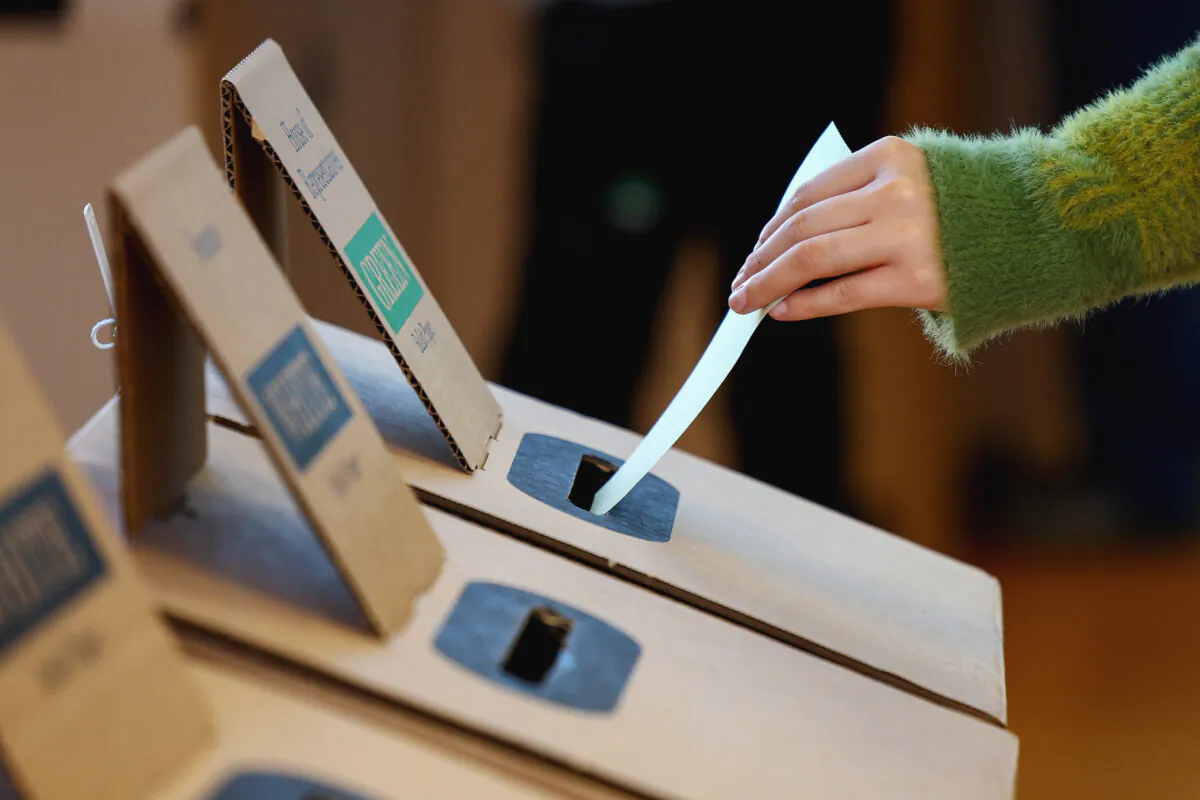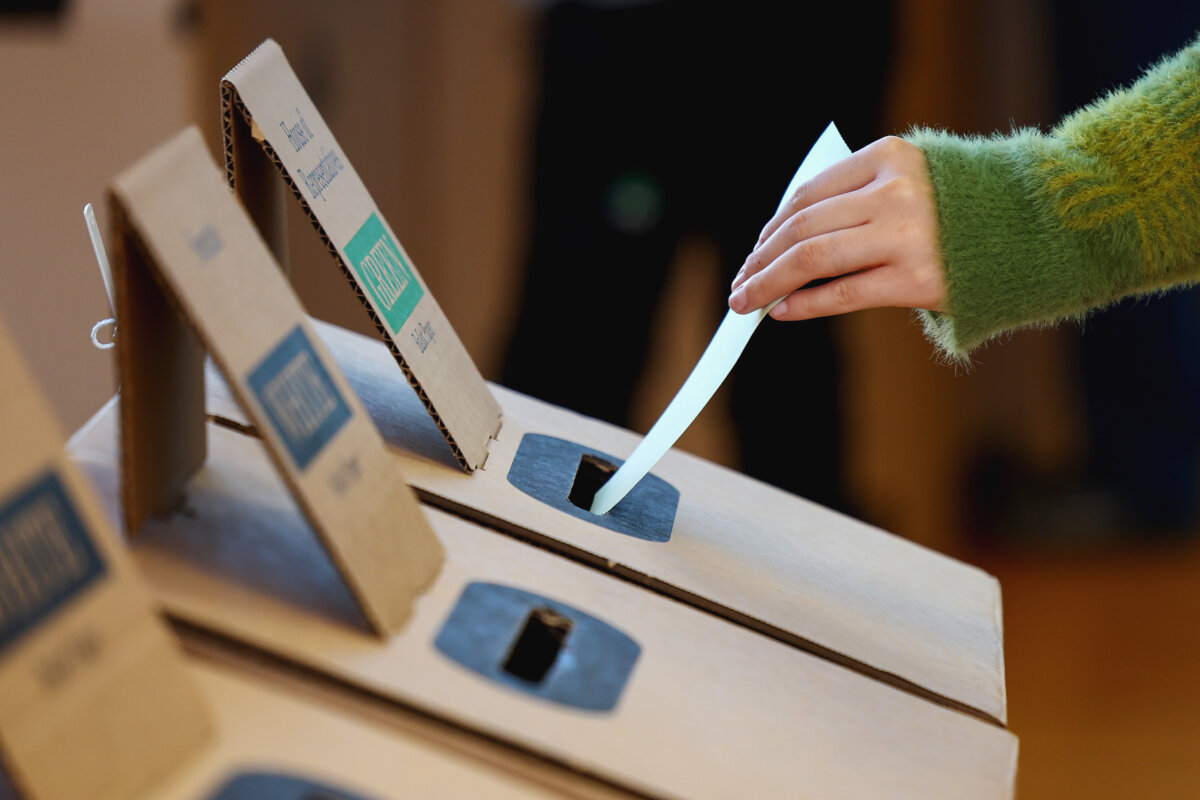

The Australian Electoral Commission (AEC) has reported a sharp rise in voter intimidation, aggressive campaigning, and online misinformation during the 2025 federal election.
Appearing before the Joint Standing Committee on Electoral Matters, AEC Commissioner Jeff Pope said the commission received 2,200 complaints, with around 550 relating to harassment or intimidation—most from pre-polling centres in Sydney and Melbourne.
“I’ve never seen more corflutes out the front of some pre-poll voting centres,” Commissioner Pope told committee chair Jerome Laxale.
“Some people found that very intimidating and difficult to navigate.”
Pope said the problem was most visible in closely contested electorates, where campaign workers crowded entrances and voters were confronted by an “overwhelming” number of signs and volunteers.
“We are not all-seeing and all-knowing with respect to what occurs outside,” he added, noting the AEC’s authority ends six metres from polling-place doors.
Staff were instructed to stay within polling stations for safety and trained to de-escalate confrontations when necessary.
Since the AEC introduced a new complaints management system in 2025, Pope stated that it was not possible to compare the data with that of previous years.
Early analysis suggested complaints were proportionate across states, with no jurisdiction standing out as worse than another.
To curb the issue, he suggested expanding the buffer zone around polling places so voters did not have to walk through an overwhelming crowd of campaigners and posters.
Polarised Campaign Atmosphere
The concerns at polling places, Pope said, reflected a broader rise in tension and polarisation across the election period.
He told the committee the campaign unfolded amid a “deterioration in the information environment” and a decline in social cohesion that extended beyond politics itself.
The AEC strengthened staff training and communication to prepare for this climate.
He also pointed to the rise of issue-motivated groups unaffiliated with major parties but campaigning for aligned causes.
“We saw groups who didn’t have a candidate in the election but wanted to promote their particular cause for an aligned party, or even just media attention,” Pope said.
He added that this information environment and a huge swell in corflutes created challenging conditions for voters and campaigners alike.
When asked whether the AEC could intervene in campaign content, Pope replied: “We are not the campaign police, just as we are not the internet police, and we’re not the truth police.”
Harder to Regulate Online
Those campaign challenges were mirrored online, where election activity has become far harder to monitor.
The AEC said it was becoming increasingly difficult to track online election material and influencer activity as technology rapidly outpaces legislation.
During the campaign, the commission reviewed more than 7,400 communications, including 2,600 social media posts and 18 podcasts, finding 1,677 breaches of authorisation rules, or about 38 percent of all content examined.
Pope said the communication landscape has changed dramatically since the current legislation was enacted in 2018.
“We’re dealing with an entirely new information ecosystem,” Pope said.
The AEC has urged Parliament to modernise electoral laws, proposing new powers to remove non-compliant content quickly, require disclosures of AI-generated or deepfake material, and determine whether podcasts and influencers should be covered by electoral advertising rules.
“There was a deterioration in the information environment in the lead-up to and during the election,” Pope warned.
Record Turnout
Despite the rise in complaints and the increasingly complex campaign environment, Pope said the 2025 election was delivered smoothly and showed the strength of Australia’s democracy.
The AEC recorded a 98.2 percent enrolment rate, including 92 percent of young voters, and 92.9 percent Indigenous enrolment—among the world’s highest.
More than 89,000 temporary staff helped operate 7,000 polling places, 600 early-voting centres, and 111 overseas booths across 81 countries.
Mobile teams travelled 162,000 kilometres to reach 469 remote communities, while 11.8 million guides were distributed nationwide.
Pope said turnout “defied international trends,” with participation slightly higher than in 2022.
“All Australians should be immensely proud of our elections, but to remain world-leading, we must continue to defend our democracy,” he concluded.
 Friends Read Free
Copy
Facebook
Tweet
Friends Read Free
Copy
Facebook
Tweet