
Australians’ pay packets grew again at the end of 2025, but new data shows many workers are still worse off due to high inflation.
According to the Australian Bureau of Statistics (ABS), the Wage Price Index (WPI) rose 0.8 percent in the December 2025 quarter, taking annual wage growth to 3.4 percent.
However, the pay rise was outpaced by inflation, with the Consumer Price Index climbing 3.8 percent over the year.
The drop in real wage adds pressure to Australian households who face higher living costs.
Public Sector Wage Growth Outpaces Private
The ABS data released on Feb. 18 showed wages rose 0.8 percent in both the private and public sectors in the December quarter.
Over the full year, public sector wages—backed by taxpayer funds—rose 4.0 percent, surpassing private sector wages, which increased by 3.4 percent.
The ABS said the public sector lift was driven by new state government enterprise agreements that delivered multiple pay rises throughout the year, including backdated increases.
Health care and social assistance was the biggest contributor to the quarterly wage growth for the private and public sector, with wages in the sector rising 1.1 percent.
Inflation Still Bites
Meanwhile, the inflation picture has worsened in recent months.
Headline CPI rose 3.8 percent in the year to December, up from 3.4 percent in November.
The biggest drivers of annual inflation were housing (up 5.5 percent), food and non-alcoholic beverages (up 3.4 percent), and recreation and culture (up 4.4 percent).
Treasurer’s Response
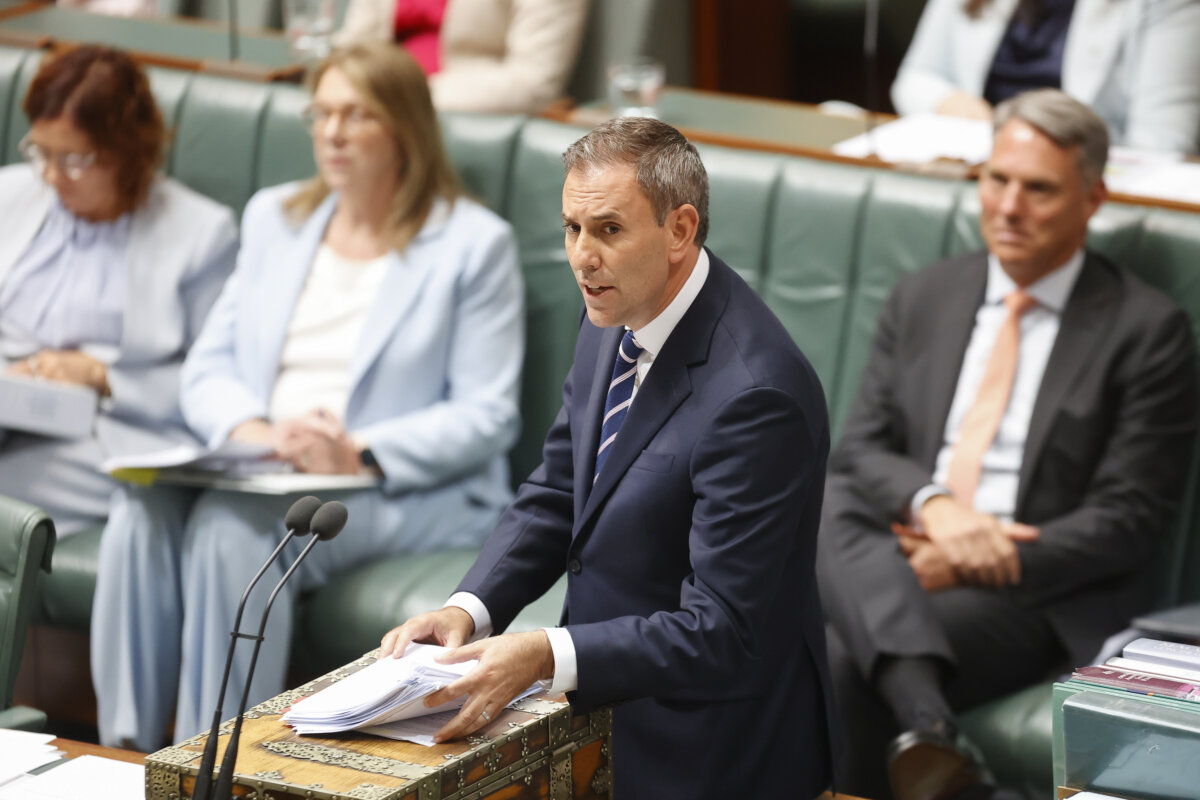
In response, Treasurer Jim Chalmers welcomed the latest wages figures, highlighting that “annual wages have grown above 3 percent for 14 quarters in a row.”
“This is the longest streak of wages growth above three per cent in more than a decade and a half,” he said in a statement.
While the treasurer acknowledged the drop in real wage value, he said the result was better than what Labor inherited from the previous Coalition government.
“When we came to government, real wages were going backwards 3.5 percent and fell for the five quarters leading up to when we were elected,” he said.
Chalmers also stated that the Labor government would focus on addressing inflation and rolling out “responsible” cost‑of‑living relief while modernising Australia’s economy.
“The three big economic priorities for the Albanese government this year and in the budget are addressing inflation, productivity and global uncertainty, and sustainable wages growth is a part of that,” he said.
Opposition Calls for Government Spending Review
Opposition Leader Angus Taylor last week wrote to Prime Minister Anthony Albanese urging the government to establish a cross-party group to review spending and identify areas for restraint ahead of the next federal budget.
“Record levels of government expenditure are contributing to higher inflation, upward pressure on interest rates and a growing public debt burden that will ultimately fall on future generations of Australians,” Taylor wrote in the letter.
However, the proposal was dismissed by Chalmers who called it “an old predictable stunt.”
 Friends Read Free
Copy
Facebook
Tweet
Friends Read Free
Copy
Facebook
Tweet