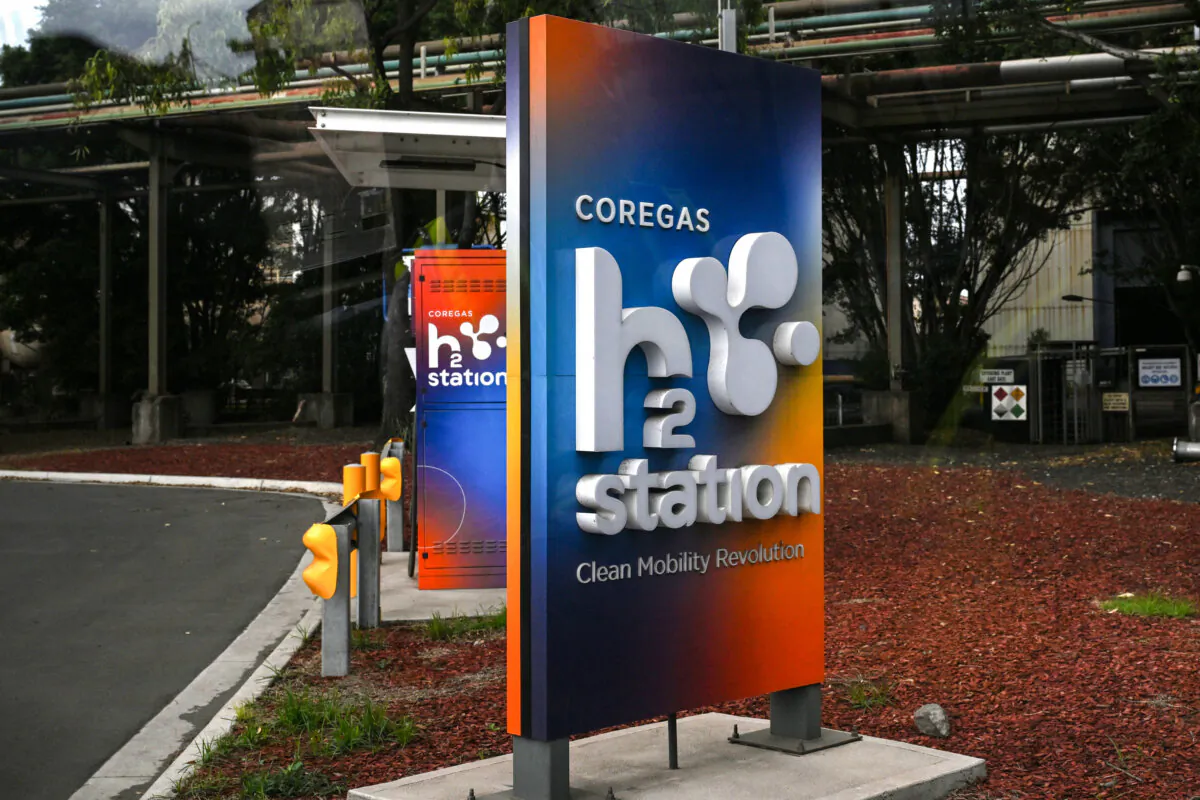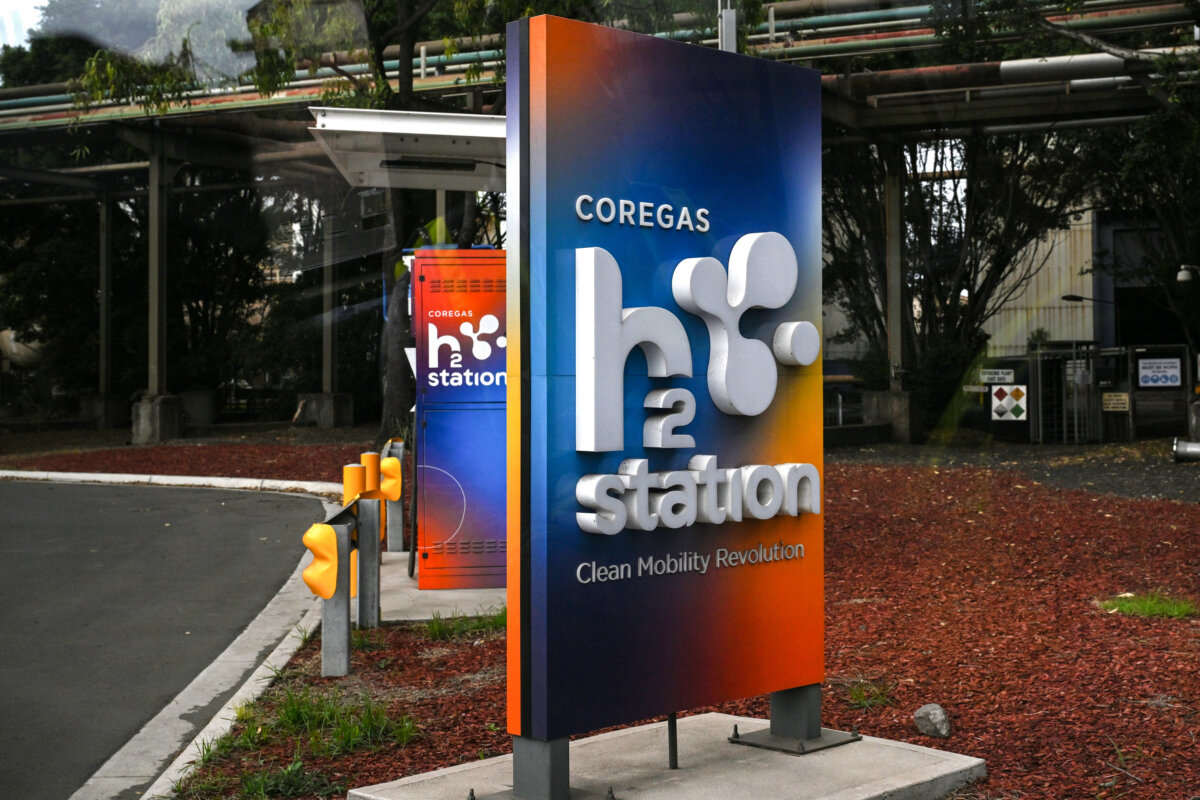

State-owned energy company Stanwell has announced it will withdraw from a planned hydrogen project bound for the regional Queensland city of Gladstone, as well as all other hydrogen developments.
The $14.75 billion (US $9.6 billion) CQ-H2 project was intended to be a main player in the federal Labor government’s net zero arsenal, with a predicted output of 200 tonnes of renewable liquified hydrogen by 2029, before producing up to 800 tonnes daily by the early 2030s.
By 2029, it was expected that CQ-H2 would be exporting hydrogen power to Japan and Singapore – nations that were also involved in the consortium overseeing the project.
Backed by an international consortium including Stanwell, CQ-H2 would have been Australia’s biggest hydrogen project.
But on June 30, a short media statement confirmed the plans were no more.
“Stanwell has discontinued its involvement in the Central Queensland Hydrogen Project (CQ-H2) project and other hydrogen development activities,” it read.
“The CQ-H2 project has been a valuable international collaboration that has provided important technical and commercial knowledge to support the future large-scale commercialisation of renewable hydrogen.”
The death knells for the project already sounded in February when Stanwell called on Queensland’s newly elected Liberal National Party (LNP) government to supply $1 billion to help progress plans.
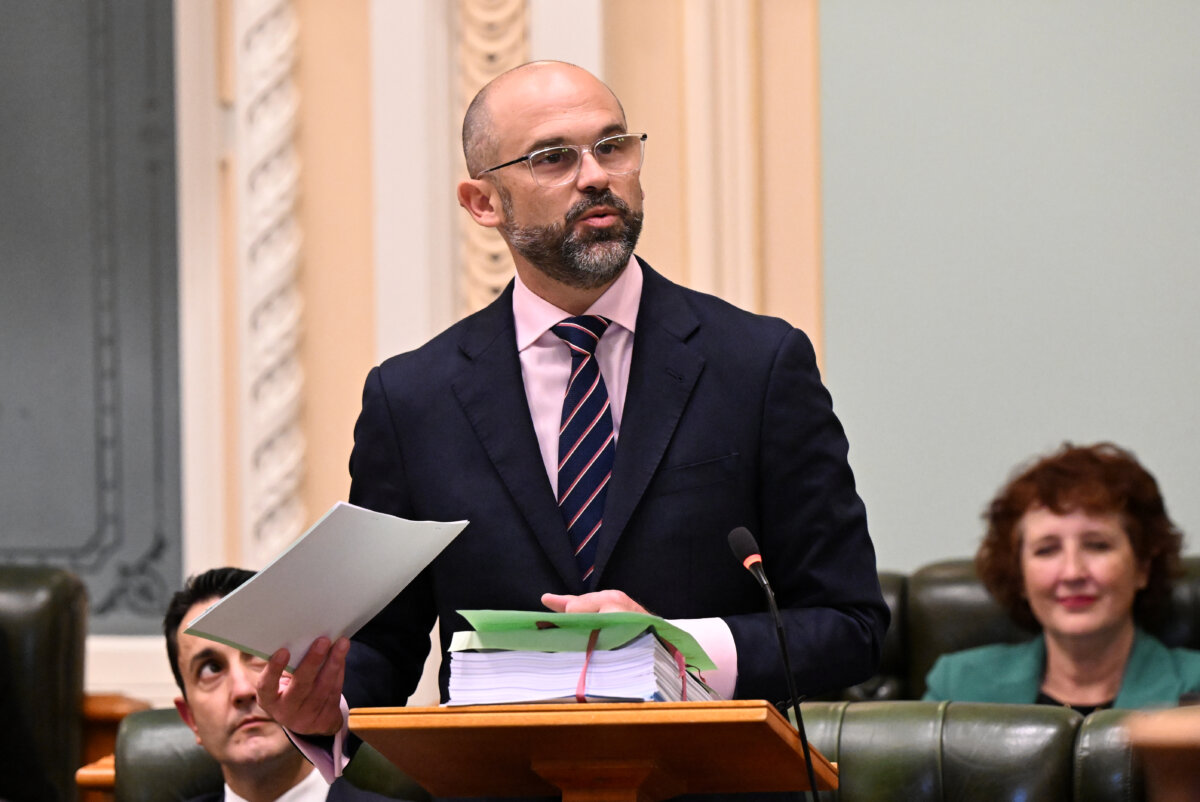
At the time, state Treasurer David Janetzki said the government would not provide the funding, which he said would have blown out to more than the requested amount due to additional infrastructure needs.
“We are focused on our energy generators providing affordable, reliable and sustainable power for Queenslanders,” he said at the time.
“Stanwell’s investment in renewable hydrogen does not align with these expectations and this government’s objectives to focus on core financial and operational performance, and to maximise value from existing generation assets for Queenslanders.”
In 2024, Japanese stakeholder Kansai Electric Power Company walked, citing increasing costs.
It is understood Stanwell may not have been able to find other funding partners.
Failure to Launch
The CQ-H2 project is not the first to be scrapped across Australia.
A number of Australian hydrogen projects have faced the axe before completion, including the Whyalla Hydrogen Facility which was cancelled earlier this year.
Whyalla’s cancellation also led to the disbanding of South Australia’s Office of Hydrogen Power.
Construction costs and concerns around sufficient market demand also saw the demise of South Australia’s Port Pirie Hydrogen Project earlier this year.
Like Stanwell, Australian utility company Origin Energy pulled out of all hydrogen projects in 2024, which included the planned Hunter Valley Hydrogen Hub.
Origin cited “uncertainty around the pace and timing of development of the hydrogen market, and the risks associated with developing capital-intensive projects of this nature.”
Nationals Senator Matt Canavan says eight hydrogen projects have fallen over this year alone.
“The hydrogen boom has busted before it started,” he said on X.
“Time for the Australian government to stop wasting billions on this pipe dream.”
Hydrogen is a form of colourless, odourless gas that is found in compounds such as water and can be isolated and used as a fuel.
It was slated as a “storage” option alongside batteries to support net zero—effectively excess power generated from wind or solar can be channeled into creating hydrogen instead via a process called electrolyssis (itself an energy-intensive process).
The gas is then stored in reservoirs to be re-used for electricity generation or synthetic fuel.
However, using hydrogen on an industrial scale has not been achieved yet. Besides being costly to create, the gas has the third lowest density amongst all gases, meaning it needs reinforced containers to store. Further it is highly combustible.
Daniel Y. Teng contributed to this article.
 Friends Read Free
Copy
Facebook
Tweet
Friends Read Free
Copy
Facebook
Tweet