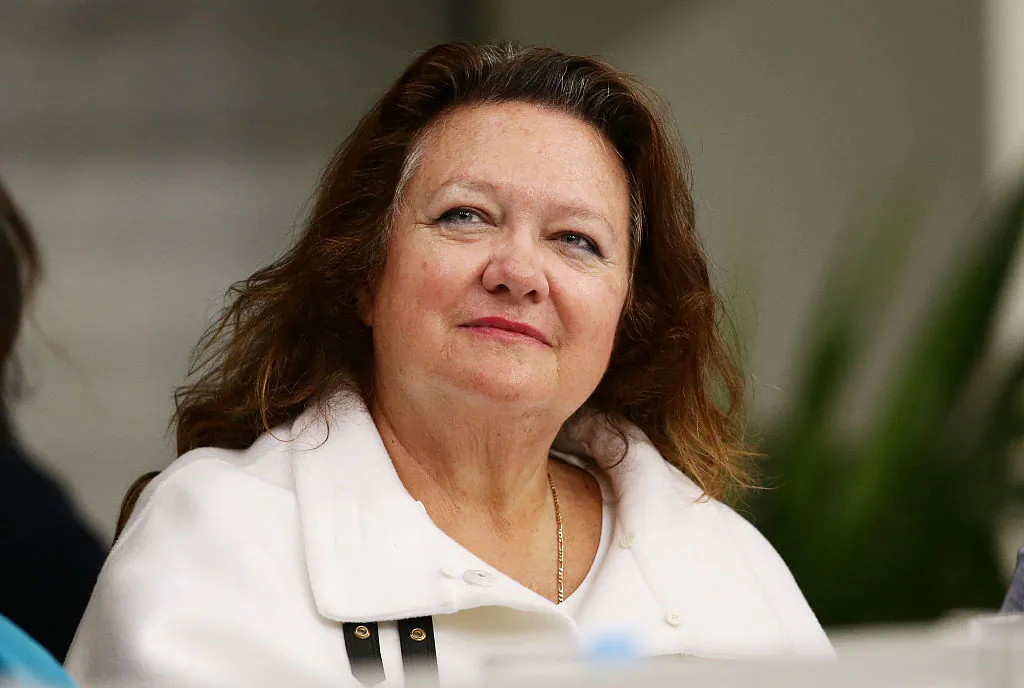

Mining billionaire Gina Rinehart has pledged $200 million to buy and convert properties for homeless veterans in the wake of the arrest of Australia’s most decorated living soldier Ben Roberts-Smith.
Her company Hancock Prospecting said the funding will go towards securing accommodation for more than 6,000 homeless veterans across Australia.
“I was shocked to learn recently that more than 6,000 veterans are homeless. This is unacceptable. I hope that others will also actively and generously help to lessen this tragedy,” she said in a statement on April 23.
The plan focuses on acquiring existing buildings such as hotels, motels and apartment blocks to be converted into housing quickly while avoiding approval delays tied to new construction.
Veterans are significantly overrepresented among the homeless, with estimates showing they are nearly three times more likely to experience homelessness than the general population.
Rinehart also urged the government to open unused military bases like Leeuwin and Irwin [in Western Australia] to house homeless veterans.
She also called for cutting “duplicated” federal departments, arguing savings could fund housing by converting empty offices into rent-free accommodation for veterans and vulnerable Australians, saying expanding bureaucracy “is not sustainable.”
The move comes after Rinehart publicly criticised the arrest of Roberts-Smith on five alleged war crime murders during his six tours in Afghanistan.
“I don’t understand how it can be justified to spend more than AU$300 million to try for years to bring SAS veterans, who have served our country, towards criminal proceedings, and most recently the arrest of Ben,” Rinehart said, in reference to funding for the Office of the Special Investigator, who, along with the Australian Federal Police, both charged Roberts-Smith.

Veterans Face Long Term Homelessness
According to Housing All Australians (2023), about 5.3 percent of veterans experience homelessness, up from 5.2 percent in earlier government data.
Veterans are also more likely to face long-term or chronic homelessness, often linked to mental illness, substance abuse or physical disability.
Broader housing pressures are adding to the problem. Studies highlight a mix of low rental supply, high costs and population growth as key drivers of housing stress. These factors are hitting vulnerable groups, including veterans, the hardest.
In major cities, even veterans with temporary housing remain at risk due to rising rents and insecure living arrangements.
Government Announces New Funding
The federal government also announced targeted support through the Veterans’ Acute Housing Program.
The program announced on April 23 provides up to $30 million in funding for crisis and transitional housing, along with specialist services for veterans at risk of homelessness.
It includes $24 million for building and expanding housing stock and $6 million for support services.
The initiative is partly backed by the $10 billion Housing Australia Future Fund, which aims to deliver 30,000 social and affordable homes over five years.
Homelessness in the Northern Territory is up to 12 times the national average, with veterans nearly three times more likely to be affected.
In response, the government says it will invest $3.245 million in a purpose-built Darwin facility—the Scott Palmer Services Centre—delivered by The Salvation Army to support veterans and their families.
“Veteran homelessness is an issue we cannot ignore, and one we are determined to address,” said Minister for Veterans’ Affairs Matt Keogh on April 21.
 Friends Read Free
Copy
Facebook
Tweet
Friends Read Free
Copy
Facebook
Tweet