
Australia’s growing stockpile of used batteries could create a $6.9 billion recycling industry and support more than 34,000 jobs by 2050, according to a new report released in Canberra.
The findings were released on March 12 in a report commissioned by the Association for the Battery Recycling Industry.
It warns the rapid rise of batteries from electric vehicles, e-bikes, and electronic devices will create both economic opportunities and new safety risks if Australia fails to expand its recycling capacity.
More than 198,000 tonnes of batteries were processed through Australian recycling facilities in 2024, with most coming from lead-acid batteries used in petrol and diesel vehicles.
However, lithium-ion batteries, commonly used in electric vehicles and consumer electronics, are expected to grow rapidly over the next two decades.
Association chief executive Katharine Hole said the increase in discarded batteries presents a major opportunity for Australia to develop a local recycling industry.
“Australia’s battery recycling sector is already delivering significant economic value, and the opportunity ahead is even greater,” Hole said.
“As battery use grows across manufacturing equipment, electric vehicles and energy storage, we have a chance to build a strong domestic industry that keeps valuable materials in circulation and supports regional jobs.”
End-of-life lithium-ion batteries are projected to increase from more than 16,000 units in 2024 to over 46,000 by 2030. By 2040, lithium-ion batteries are expected to outnumber lead-acid batteries, reaching more than 600,000 units by 2050.
These batteries can be crushed into “black mass,” a metal-rich powder from which valuable materials such as lithium, cobalt, and nickel can be extracted.
The battery recycling sector already contributes significantly to the economy. In 2025, the industry generated $2.1 billion in economic activity, including $760 million in direct benefits.
With stronger policy support and investment in local processing, the sector could expand further.
By recovering minerals from end-of-life batteries and repurposing electric vehicle batteries for energy storage, the industry could generate $6.9 billion annually and support about 35,000 jobs by 2050, the report found.
Battery Market Set for Rapid Growth
Globally, battery demand is rising quickly alongside the transition to electric vehicles and renewable energy.
Research published in ScienceDirect estimates the global battery market was worth about US$139.9 billion in 2024 and could reach US$672.5 billion by 2034, growing at roughly 17 percent annually.
Demand for EV batteries alone is expected to exceed three terawatt hours by 2030, triple the level recorded in 2024.
The surge in battery production is also expected to create a major recycling challenge. Analysts estimate global battery waste could reach 1.4 million metric tonnes by 2030 and more than 7 million tonnes by 2040.
Despite the value of these materials, less than five percent of lithium-ion batteries are currently recycled worldwide.
Safety Concerns Growing
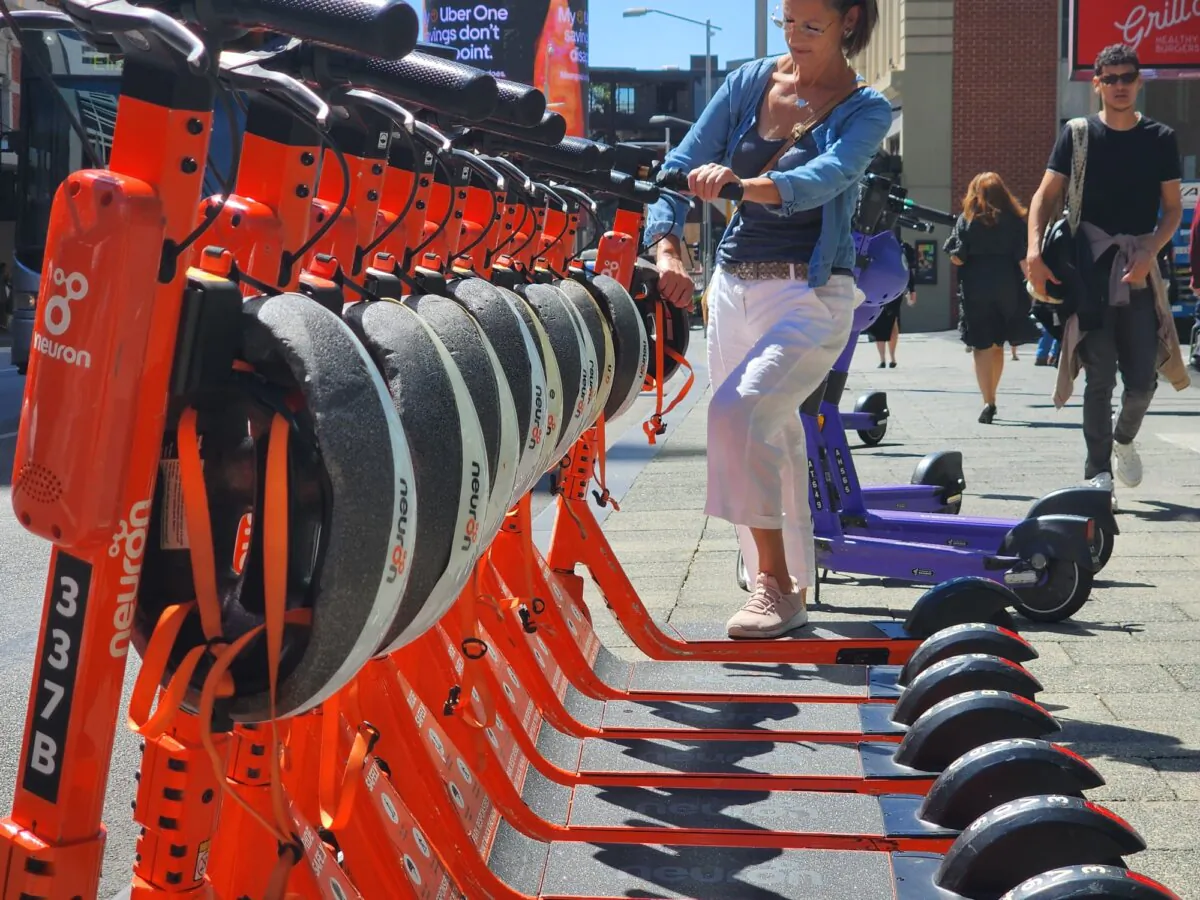
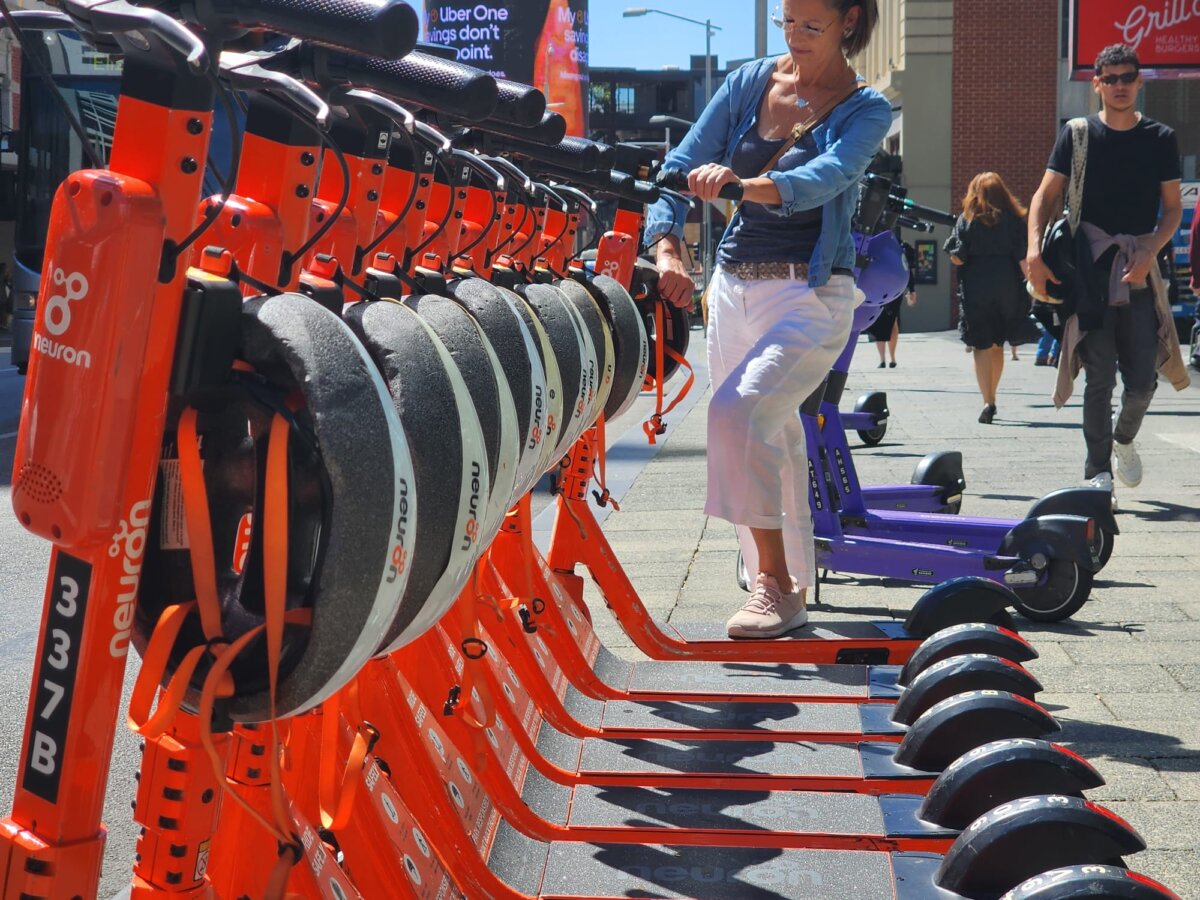
The report comes amid rising concerns about lithium-ion battery fires, particularly involving e-bikes and e-scooters.
The NSW government recently introduced new rules for testing and disposing of micromobility batteries, and state and federal environment ministers are expected to discuss the issue at upcoming meetings.
Australia’s largest insurer, IAG, is also leading research into battery safety with experts from QUT, EV FireSafe, Standards Australia, and iMOVE.
Early findings show fire risks increase significantly when batteries are damaged, exposed to saltwater flooding, charged incorrectly, or repeatedly impacted.
 Friends Read Free
Copy
Facebook
Tweet
Friends Read Free
Copy
Facebook
Tweet