
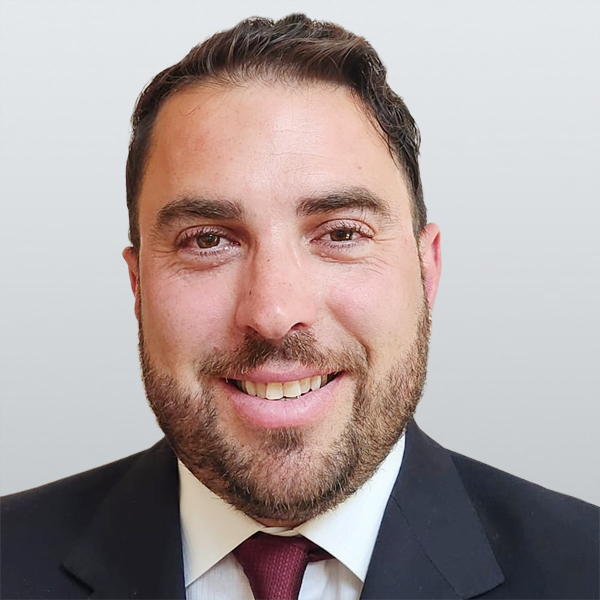
B.C. Premier David Eby says Canada’s not-criminally-responsible system is re-victimizing victims and “not working,” in the wake of Allan Schoenborn recently being granted conditional discharge.
Schoenborn was found not criminally responsible (NCR) for murdering his three children in 2008 in Merritt, B.C., due to a mental disorder. He was granted a one-year conditional discharge by the British Columbia Review Board that took effect this week.
“The not-criminally responsible by reason of mental disorder provisions under the Criminal Code have resulted in a system that continually re-victimizes the family that was affected by Mr. Schoenborn’s horrific crimes,” Eby told reporters June 5.
“The system is not working. And we need to make sure that the family members who are living with the consequences of Mr. Schoenborn’s actions are supported better than they are currently under this federal regime.”
Eby called Schoenborn’s crimes an “unbelievable and deeply disturbing case that shook British Columbians to the core,” and said he plans to talk to the federal government about possible changes to the NCR portion of the Criminal Code.
“It is, I think, disturbing to many British Columbians that Mr. Schoenborn is going to be able to essentially walk free right now and it’s a troubling outcome for a deeply disturbing case and I think evidence that this system needs a serious look from the federal government,” Eby said.
An individual may be found NCR under Section 16 of the Canada Criminal Code if a mental disorder at the time of an offence prevented them from knowing that what they were doing was wrong.
In February 2010, Justice Robert Powers of the British Columbia Supreme Court sitting in Kamloops found that Schoenborn had intentionally killed his three children—5-year-old Cordon, 8-year-old Max, and 10-year-old Kaitlynne. However, the judge found that Schoenborn was suffering from a psychotic and delusional disorder at the time of the killings and therefore did not know that murdering his children was wrong.
Following the NCR decision, Schoenborn was detained at the Forensic Psychiatric Hospital in Coquitlam instead of a correctional facility and yearly hearings were held in order to assess his ongoing risk to the public.
Discharge
Under the conditions of the discharge, Schoenborn must get treatment from a psychiatric clinic and return to stay at the Forensic Psychiatric Hospital in Coquitlam if the board so orders him.
In addition, he is required to notify the board of any intimate relationships he is in, must be in good behaviour, and has strict bans on using or possessing any weapons or illegal drugs and must submit to regular drug and alcohol tests.
Although the NCR ruling did not find Schoenborn was on any drugs or alcohol at the time of committing the murders, court proceedings and psychiatric assessments concluded that in addition to his mental health problems he had a history of heavy alcohol use, as well as a history of “substance use disorder” in using cannabis and cocaine.
“The substance use disorder is controlled given the secure setting at FPH [Forensic Psychiatric Hospital in Coquitlam] but it remains a significant risk factor that may trigger or contribute to further psychotic symptoms in the event of a relapse,” psychiatrist Dr. Roy O’Shaughnessy wrote of his opinion in 2017.
The Canadian Press contributed to this report.
 Friends Read Free
Copy
Facebook
Tweet
Friends Read Free
Copy
Facebook
Tweet