
Heatwaves during the summer caused 2,935 excess deaths in Belgium, or 22.6 percent excess mortality, public health body Sciensano said in a Sept. 3 report.
From June 18 through July 3, Belgium recorded its highest excess mortality, with 2,035 additional deaths, or 48.8 percent above expected levels, Sciensano said.
Starting on June 18, maximum temperatures of around 86 degrees Fahrenheit (30 degrees Celsius) were recorded for 10 consecutive days, including three days of temperatures around 95 degrees Fahrenheit (35 degrees Celsius), with nights during that period also exceptionally warm.
Mortality from June 18 through July 3 was the highest recorded during a heatwave since the start of its analyses in the year 2000, according to the report.
Sciensano had said previously that 1,747 more people died than expected during the early part of the summer, including some younger adults.
The two other heatwave periods, from July 4 to 17 and July 28 to August 16, saw lower excess mortality, with 535 excess deaths (14.8 percent) and 365 excess deaths (7 percent), respectively, Sciensano said on Thursday.
While people aged 65 and older accounted for most heatwave-related deaths, Sciensano said excess mortality also occurs among younger people.
Heatwaves were recorded across Europe during the summer, leading to higher-than-expected deaths.
EuroMOMO, which is supported by the World Health Organization and the European Centre for Disease Prevention and Control, estimated that there were more than 33,000 excess deaths over the summer.
France’s public health agency said in July that 5,764 excess deaths from all causes occurred from June 17 to July 2, a period of time that included record-breaking temperatures that soared as high as nearly 110 degrees Fahrenheit (43.8 degrees Celsius).
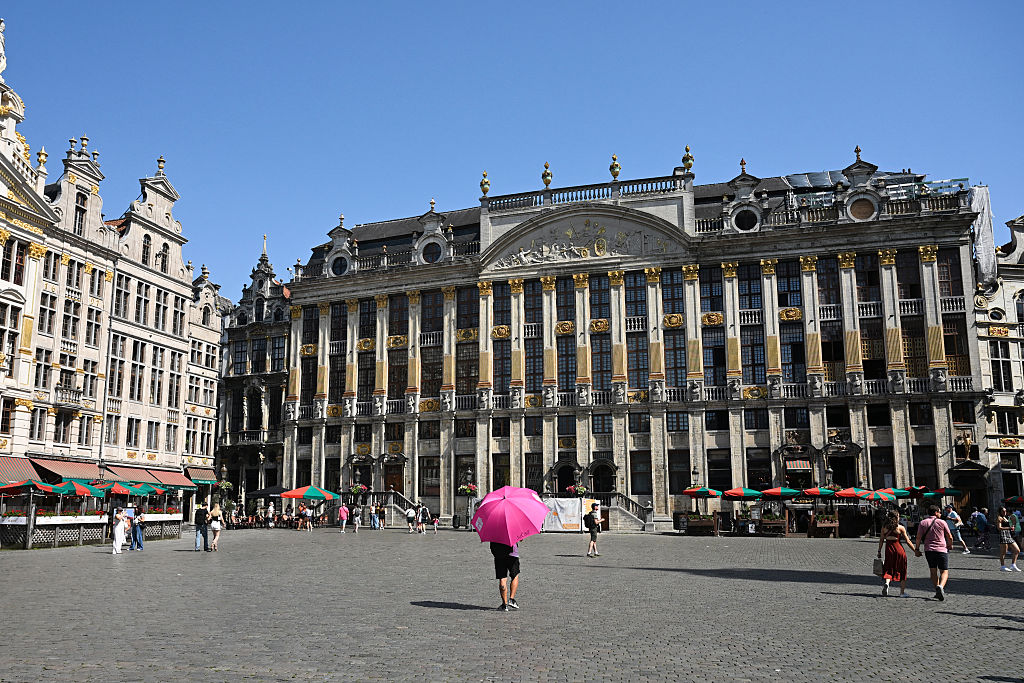 A tourist guide protects himself under an umbrella as he walks across the Grand-Place during a heatwave in Brussels on June 24, 2026. (Nicolas Tucate/AFP via Getty Images)
Spanish health authorities estimated that there were more than 2,600 excess deaths from all causes between June 18 and August 16, the same period covered by the Sciensano report.
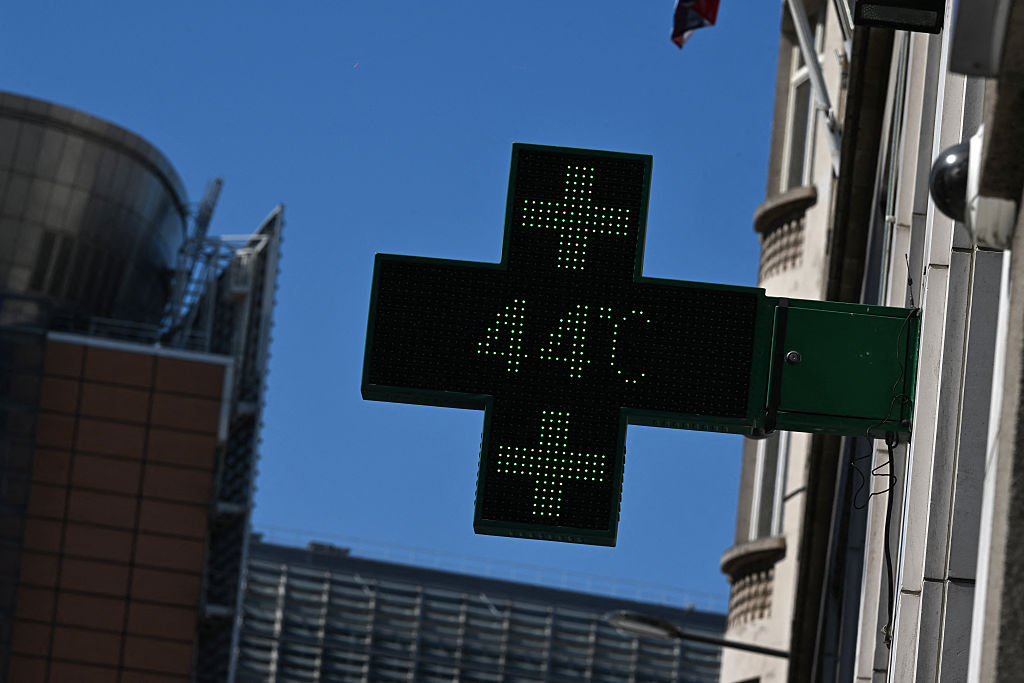 A pharmacy sign displaying the temperature of 44 degrees Celsius in Brussels on June 23, 2026. (Nicolas Tucat/ AFP via Getty Images)
In the Netherlands, more than 900 more people died than expected from June 22 to July 5, authorities said.
“The cause of death is unknown, but it is highly likely that the heat played a role,” the National Institute for Public Health and the Environment said in a statement.
Reuters contributed to this report.
 Friends Read Free
Copy
Facebook
Tweet
Friends Read Free
Copy
Facebook
Tweet