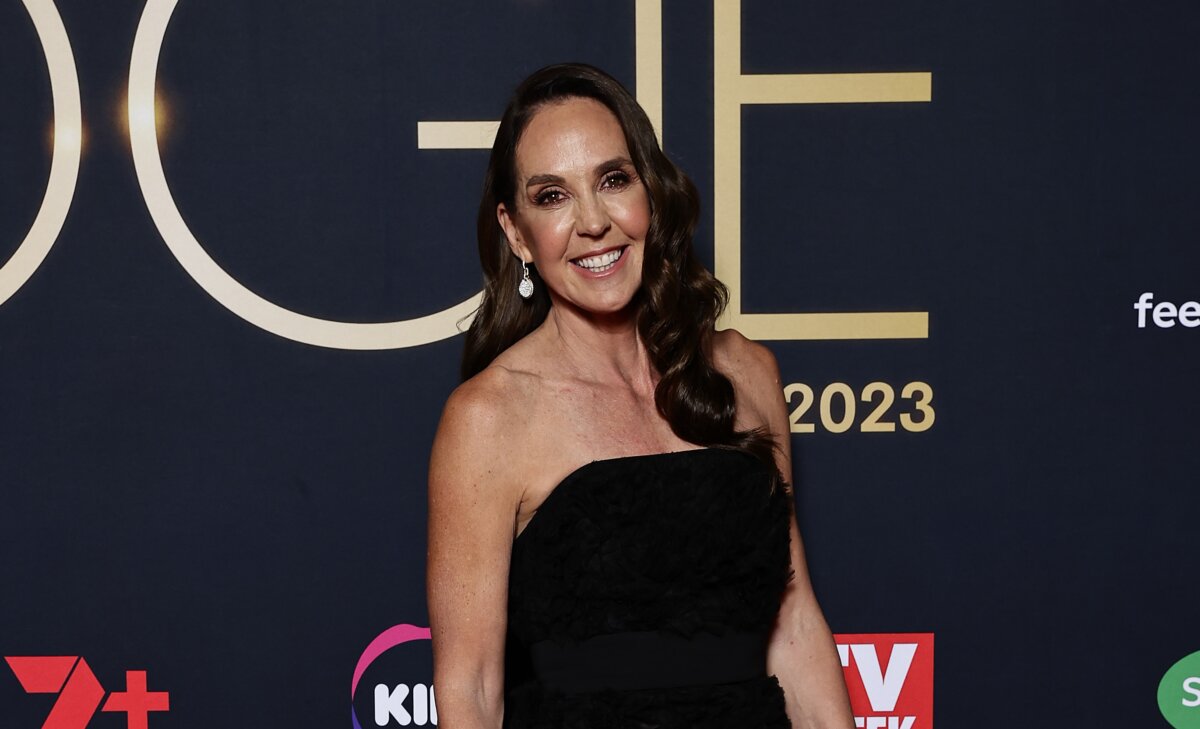

Boost Juice founder and former Shark Tank Australia judge Janine Allis has criticised the federal budget, warning that changes to capital gains tax and negative gearing could discourage Australians from starting businesses.
The Labor government’s budget includes changes that will replace the 50 percent capital gains tax discount for most new investments from July 2027 with inflation indexation and a minimum 30 percent tax on capital gains.
Negative gearing will also be restricted to newly built investment properties.
The policy changes are aimed at increasing housing supply for owner-occupiers, but some business leaders argue they could have unintended consequences for entrepreneurship and investment.
In a video posted to social media, Allis said the reforms risk undermining Australia’s entrepreneurial culture.
“From my understanding of the changes with capital gains tax and negative gearing, the changes potentially could, in my opinion, destroy the core of what Australians are,” she said.
“Australians are the people that want to have a go. They want to have control over their own destiny, and they want to have their own business, or get ahead with an investment property.”
Allis noted Australia has a high rate of small business ownership and said she feared the changes could reduce risk-taking.
“If I started Boost Juice bars in July 2027—and people got to remember that when you start a business, you put everything on the line, and most fail, like four out of five fail—and so I would put my house on the line. I put everything on the line, and then I work my absolute butt off, risk everything … to then eventually make a profit and give nearly half to the government,” Allis said.
“It doesn’t allow you to get ahead. It doesn’t inspire you to actually take the risk that you need to take.”
She also criticised the changes to negative gearing, which currently allows investors to offset rental losses against other income. Under the new policy, the arrangement would only apply to newly constructed properties.
“It’s one of the only opportunities for people who have a job to actually have a future and really look after their family in the future,” she said.
Allis said the combined changes could push some entrepreneurs to consider relocating overseas while also discouraging local start-ups.
Concerns Over Businesses Going Offshore
Australian influencer and businesswoman Bec Judd has also criticised the new budget, saying founders will take their new businesses overseas rather than staying in Australia.
Posting on Instagram, Judd said she was concerned about the long-term impact on young Australians and wealth creation and said she had been contacted by followers who were considering moving their businesses to Singapore.
“I never comment on budgets but this one has the potential to completely destroy the future business landscape in Australia,” she said.
“I’m worried for our ambitious young people who won’t settle for mediocrity, like this government seems to want and reward. I’m worried for millennials who haven’t had a chance to build their wealth.
“I’m genuinely worried about the country I love. Also, people make big life investment decisions based on the lies politicians tell. This to me is unconscionable.”
Government Defends Changes
At a media conference on May 15, Australian Prime Minister Anthony Albanese continued to praise the government’s budget as making it easier for Australians to buy homes, but did not directly respond to concerns around higher taxation on investments.
Albanese said the change to negative gearing would divert investors away from existing homes, leaving them for owner-occupiers in what he called a “practical change.”
Meanwhile, Treasurer Jim Chalmers said changes to capital gains tax would make the housing market fairer.
Chalmers confirmed the budget included $3.5 billion in tax relief aimed at supporting start-ups.
“We recognise that there’s an especially dynamic part of the economy … but we want it to make a bigger contribution,” he said.
“If you look right across the budget, there’s a lot of new incentives for start-ups and venture capital in the tech sector in the tax changes that we are proposing.”
When questioned on whether some businesspeople would face taxation rates of up to 47 percent with changes to capital gains tax, Albanese reiterated that the government supports innovation.
He also pointed to additional funding for the CSIRO, which will receive $387.4 million over four years on top of its existing funding.
“We’re a government that wants to see innovation,” he said.
 Friends Read Free
Copy
Facebook
Tweet
Friends Read Free
Copy
Facebook
Tweet