
A Labour leadership hopeful has placed the possibility of undoing Brexit high on the political agenda in an expected contest to oust British Prime Minister Keir Starmer.
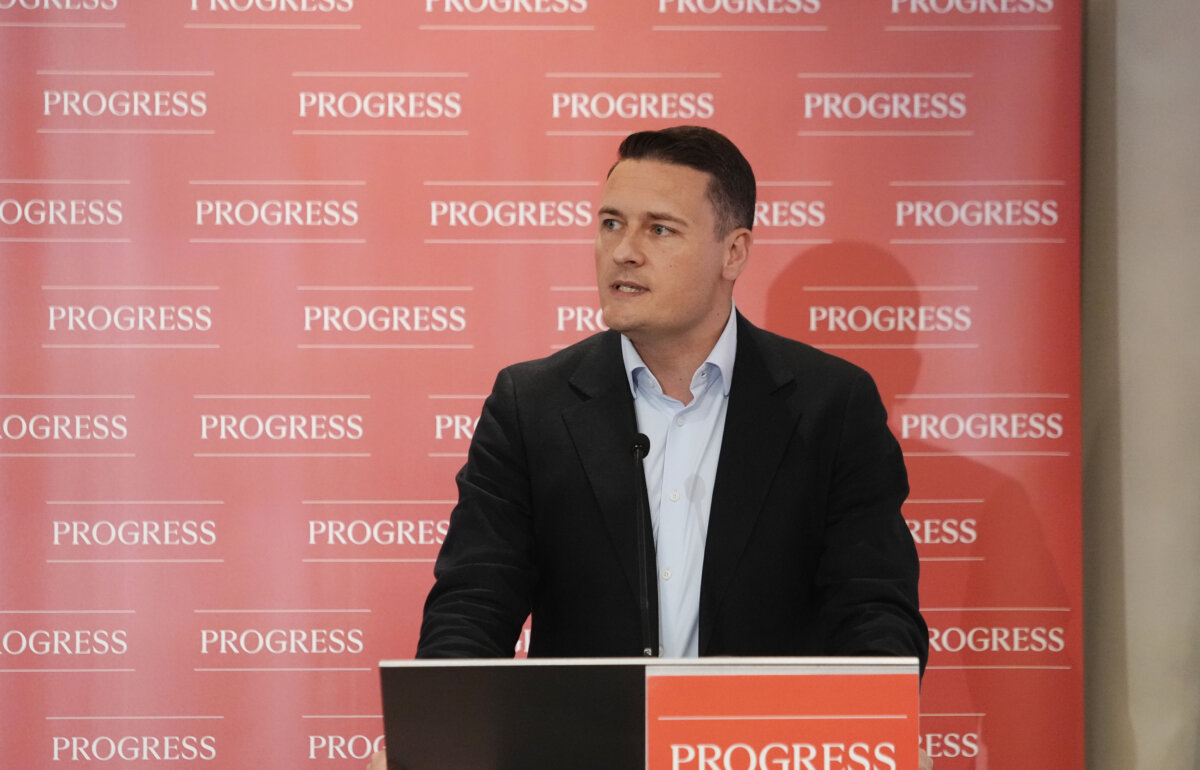
Prompting accusations that Labour is preparing for a Brexit “betrayal,” Wes Streeting said on May 16 that the UK should rejoin the bloc “one day.” Streeting resigned as health secretary on May 14, saying that he had lost confidence in Starmer.
Streeting threw down the gauntlet to both Starmer and potential leadership rival Greater Manchester Mayor Andy Burnham to spell out precisely how they envisage the UK’s future relationship with Brussels.
Streeting confirmed that he intends to stand in any forthcoming leadership contest, and branded leaving the EU a “catastrophic mistake.”
‘Retreat of America First’
Streeting told the Blairite think tank Progress, “Britain’s future lies with Europe and one day, one day, back in the European Union.”
He said that in a “dangerous world,” the UK ought to “club together” with Europe in the face of what he termed “Russian aggression” and “the retreat of America First.”
Streeting’s speech risks undermining Burnham’s bid to return to the House of Commons by handing ammunition to Nigel Farage’s populist Reform UK Party, which takes a clear position against any attempt to roll back Brexit.
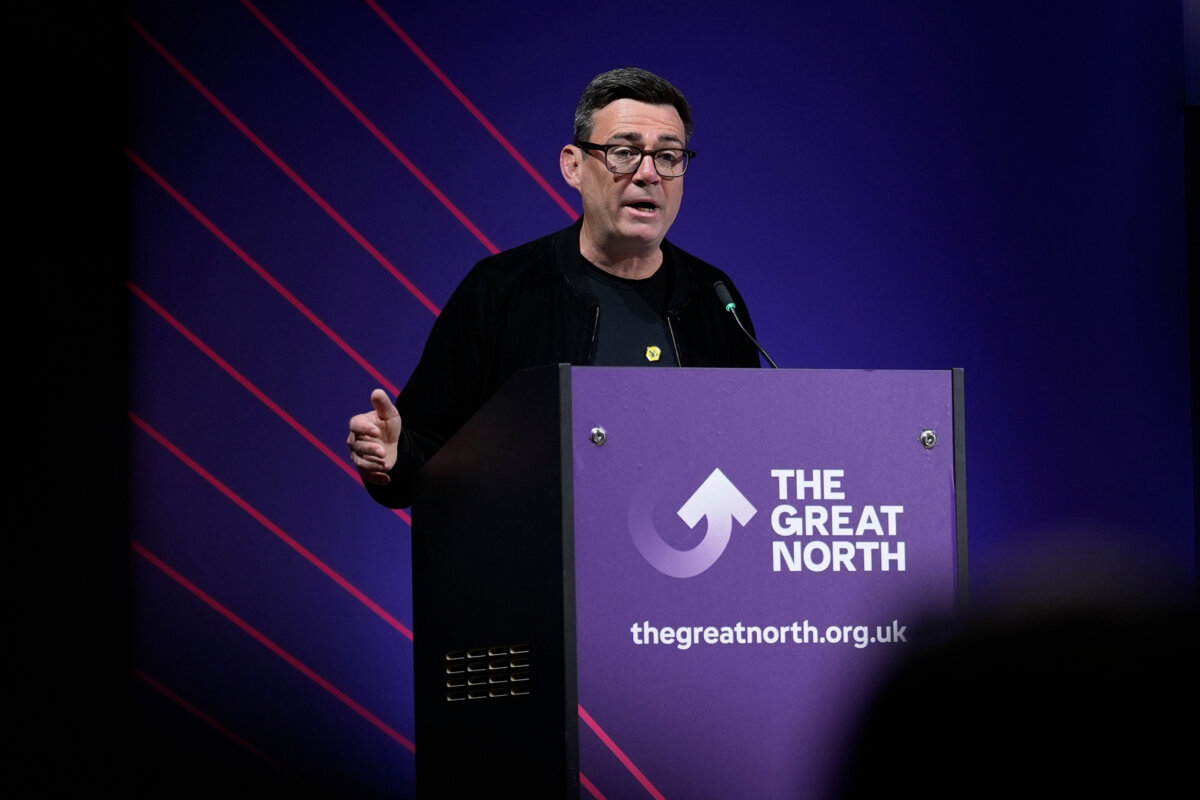
Burnham has been confirmed as the Labour candidate to contest the by-election in Makerfield, a seat in the northwest of England, after another Labour lawmaker resigned to make his return to Parliament possible.
A YouGov poll found that nearly half of members (47 percent) rank Burnham as their first choice, compared with 31 percent for Starmer, but they prefer the prime minister to Streeting in a head-to-head. Burnham cannot mount a challenge without first winning a parliamentary seat.
‘Flashpoint in Battle’
Farage has promised to “throw absolutely everything” at the by-election in Makerfield, an area in Wigan, Greater Manchester, that voted decisively for Brexit at the 2016 referendum, with 63.9 percent of voters opting to leave the EU.
“For months, it has been clear that Keir Starmer has been attempting to sleepwalk us back towards the European institutions,” Farage wrote in the Daily Express on May 18.
“The upcoming contest in Makerfield will become a flashpoint in that battle. … Voters are not fools and they deserve honesty from open-borders Burnham.”
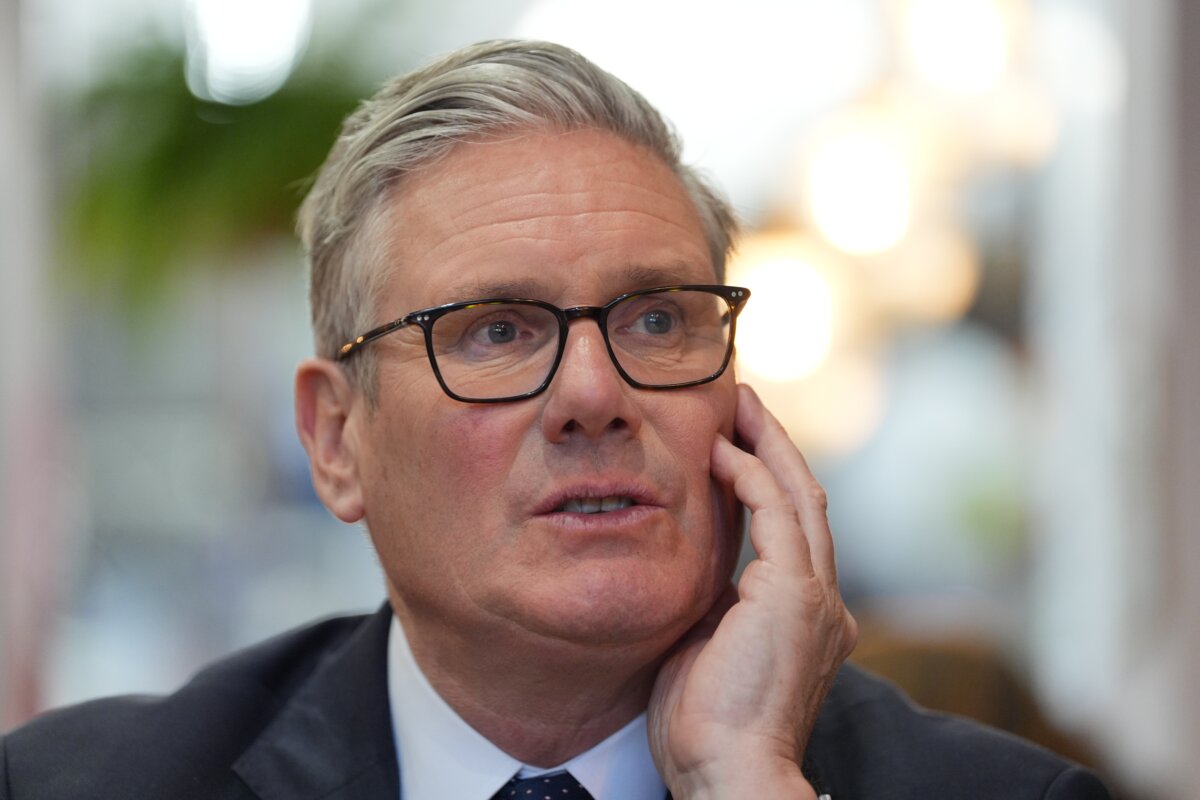
Comments that Burnham made previously about wishing to rejoin the EU in his lifetime have re-emerged this week with his leadership bid.
At a speech in Leeds on May 18, Burnham rowed back on his previous position.
“I’m not proposing that the UK considers rejoining the EU. I respect the decision that was made with the referendum,” he said.
“My view is that Brexit has been damaging, but I also believe the last thing we should do right now is re-run those arguments.”
On May 18, Burnham said he wanted the focus of the Makerfield election to be on local issues.
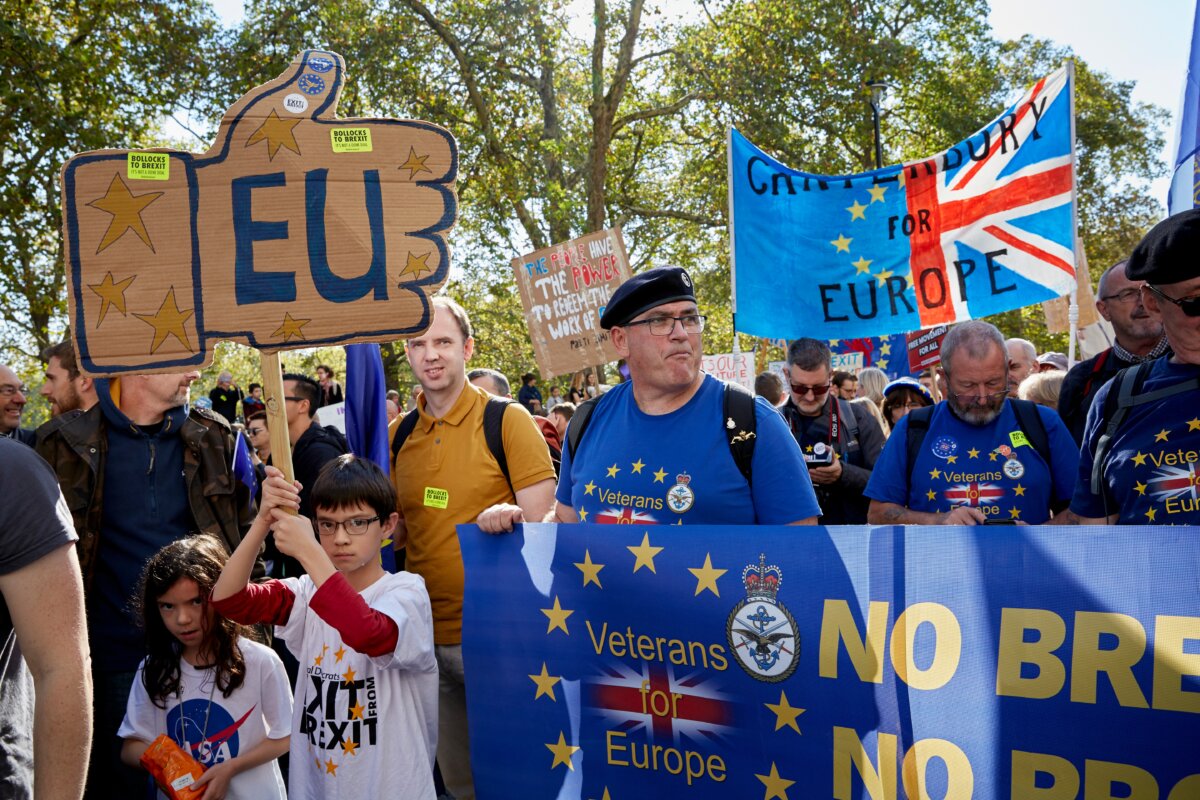
‘The Heart of Europe’
“In the long-term, there is a case for [rejoining], but I’m not advocating that in this by-election,” Burnham told ITN.
The Makerfield election will take place on June 18. Labour won the seat with a majority of more than 5,000 in 2024, but at the recent local elections, the electorate showed a clear swing to Remain. Farage’s party won 24 out of the 25 council seats up for grabs, setting the stage for a by-election that is likely to be closely fought as well as unusually consequential.
Starmer pledged in a speech on May 11 to put “Britain at the heart of Europe,” but he has stopped short of calling to rejoin the bloc. He has instead focused on making a series of mini-deals aimed at forging closer ties with the EU.
Labour won the 2024 general election in a landslide, but Starmer’s premiership has been hit by a series of U-turns, unpopular decisions, and growing public discontent over immigration levels and the soaring cost of living.
Labour’s disastrous performance in the local elections has plunged the party into crisis, with almost one-quarter of its MPs calling on Starmer to step down.
The prime minister has said repeatedly that he does not intend to resign and has indicated that he will contest any challenge to his leadership.
UK governance does not require a national election when the ruling party changes leader, meaning that a successful challenger can become prime minister without a public mandate.
None of the likely contenders for leadership has gone as far as London’s Labour mayor, Sadiq Khan, who in March called for the party to rejoin the EU without a referendum.
Speaking to Italian media, Khan, who has been in a long-running war of words with U.S. President Donald Trump, said that rejoining the bloc was “an inevitable and increasingly necessary destiny, in an incredibly unstable world and with Donald Trump in power in America.”
Both Labour and the Conservatives have for years been riven with internal strife over the vexed question of Europe and how to handle the political earthquake caused by the 2016 Brexit vote.
The Conservatives were in power at the time of the referendum, with five prime ministers departing in quick succession since the public opted to leave the bloc by a majority of 4 percent.
Starmer Favors ‘Closer Ties’
As a backbench lawmaker, Starmer campaigned to remain in the EU ahead of the referendum. After the vote, he became Brexit spokesman in former Labour leader Jeremy Corbyn’s shadow cabinet, while four years of difficult negotiations between the government and the EU followed.
The UK officially left the EU in January 2020, under the leadership of Conservative Prime Minister Boris Johnson.
Former Conservative Prime Minister Theresa May—who resigned after she was unable to get her exit deal over the line—famously said “Brexit means Brexit,” but the door has never been closed on the UK returning.
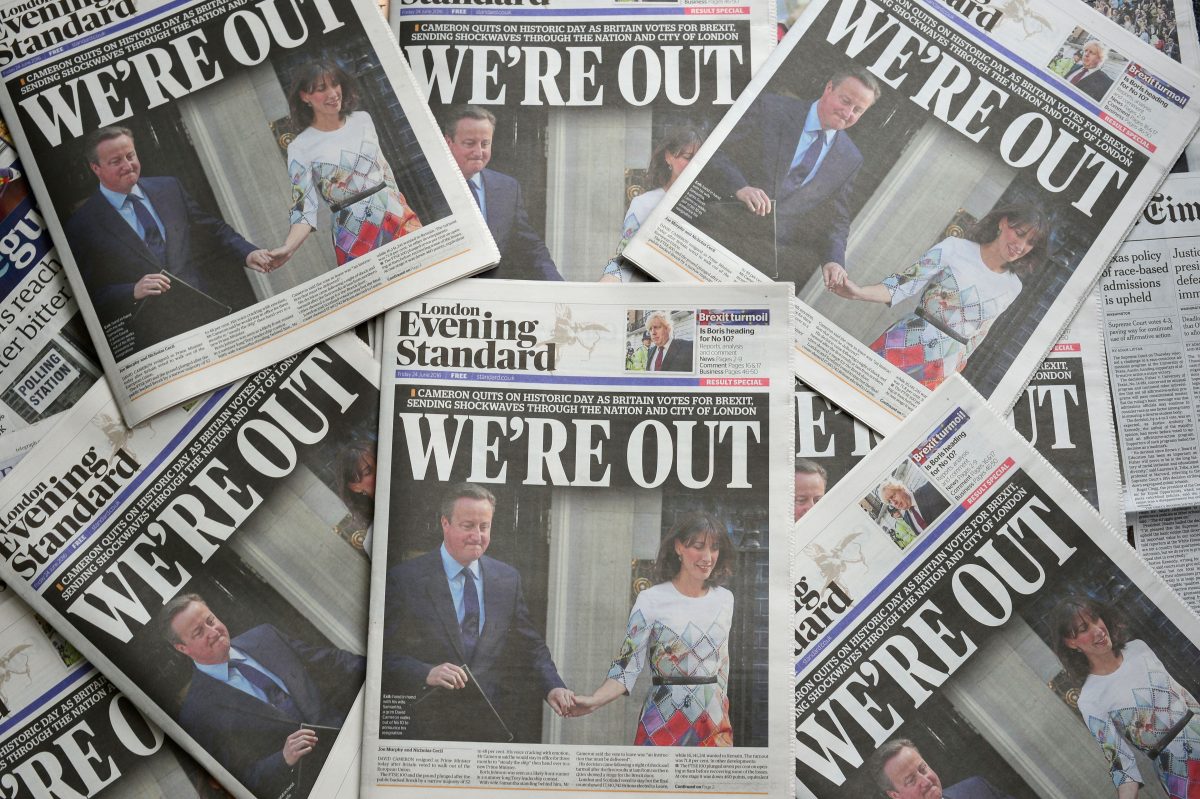
Could Return to EU Happen?
Brexit can not simply be undone at the direction of a prime minister or if the electorate changes its mind in the event of another referendum.
Accession to the bloc, originally formed through the creation of the Common Market in 1957, is governed by Article 49 of the EU Treaty.
European Commission President Ursula von der Leyen said in 2023 that Brexit should be “fixed” by the younger generation and that the direction of travel was toward the UK returning.
Starmer maintains that he is seeking closer ties with the EU, rather than a referendum on rejoining, which could plunge the country into years of further divisive debate.
Reform UK takes a clear position against closer integration with the EU, while the Greens and Liberal Democrats favor rejoining, with both Conservative and Labour lawmakers more mixed in their views.
Conservative leader Kemi Badenoch has said she accepts the result of the referendum, telling Sky News on May 17 that the country “wants us to make the best of Brexit.”
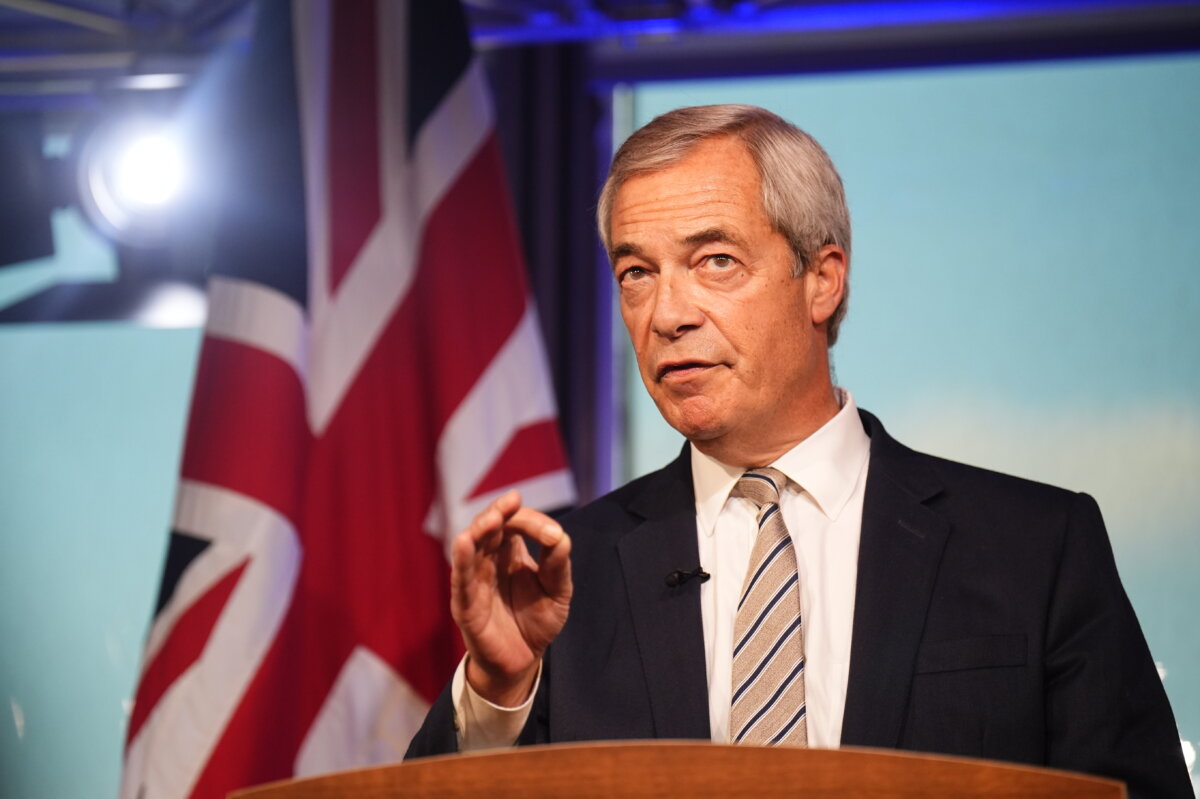
Previous Opt Outs
It is possible that the UK could negotiate a Swiss-style arrangement with the bloc, which gives access to parts of the single market but requires acceptance of the free movement of people—rendering it unpopular with eurosceptics and others concerned about immigration.
The UK’s previous deal with Brussels allowed the country to opt out of the Euro and the passport-free Schengen Zone. A future bid to rejoin might include strict terms and conditions imposed by the EU, such as joining the single currency and the Schengen agreement—likely to be unpopular with a majority of Brits.
Polling suggests that just more than half (54 percent) of Britons support rejoining the EU when asked a simple yes or no question, as they were in the referendum.
That backing drops to 36 percent when respondents are presented with possible consequences, such as the UK having to join the Euro single currency or the Schengen Zone to allow passport-free entry from other EU states.
Polling by YouGov found that a majority of Western European member states support the UK rejoining—but only without the previous opt outs.
 Friends Read Free
Copy
Facebook
Tweet
Friends Read Free
Copy
Facebook
Tweet