
Britain on Nov. 15 said it is moving to change immigration refugee status to temporary while quadrupling the wait for permanent settlement to 20 years under the United Kingdom’s most significant overhaul of policy on asylum in recent history.
In an attempt to offset growing criticism from the populist Reform UK party, which has advocated for a stricter immigration agenda, Britain’s Labour government has hardened its immigration policies, particularly on illegal small-boat crossings from France.
The British government said it would follow the approach of Denmark, which has some of the strictest immigration policies in Europe, where many nations have recently clamped down on their borders.
The UK Home Office, its interior ministry, said in a statement issued late on Saturday that the statutory duty to offer certain asylum seekers support, including housing and weekly allowances, will be revoked under the new changes.
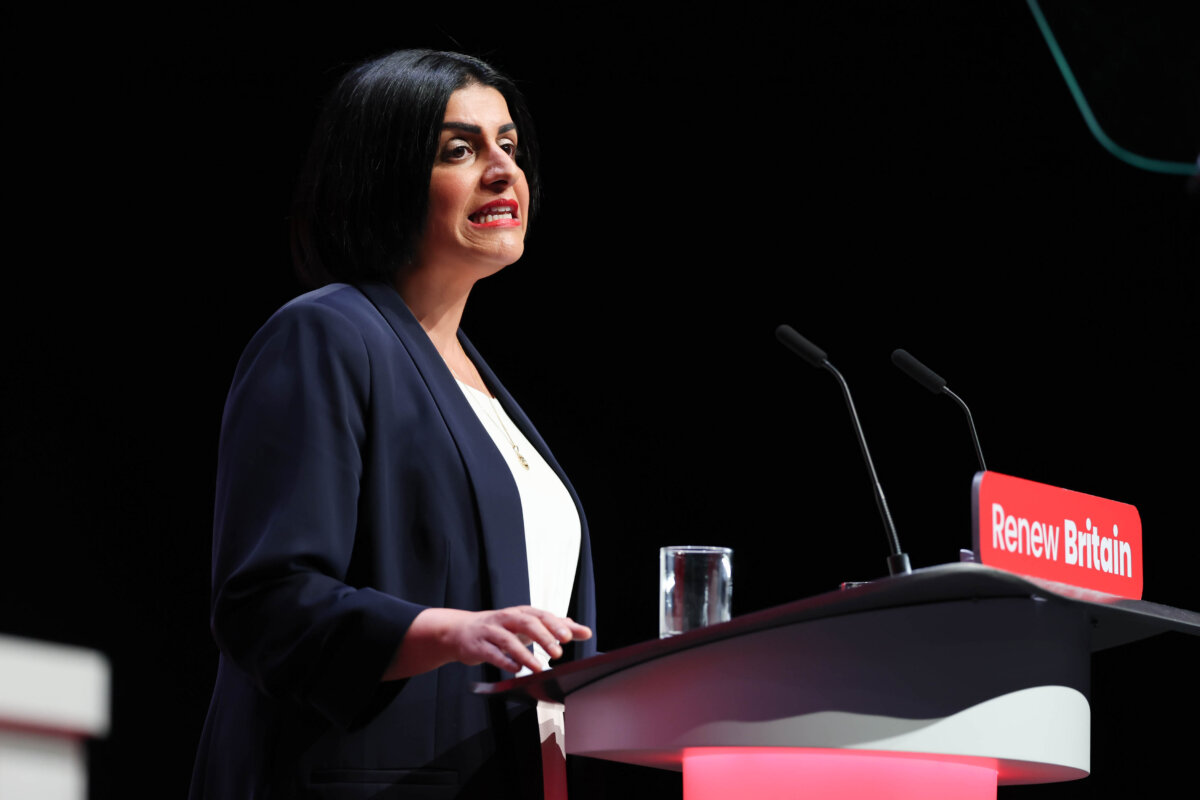
Led by Shabana Mahmood, the department said the policy changes would apply to asylum seekers who are capable of working but choose not to, and to anyone who breaks the law. Additionally, the priority for taxpayer-funded support would go toward those contributing to the economy and local communities first.
Protection for refugees would “now be temporary, regularly reviewed and revoked,” if the refugee’s home country is deemed safe, the Home Office said.
“Our system is particularly generous compared to other countries in Europe, where, after five years, you’re effectively automatically settled in this country. We will change that,” Mahmood told Sky News on Sunday.
The new changes would require a refugee’s status to be reviewed every two-and-a-half years during a “much longer path to permanent settlement in this country of 20 years,” she added.
Mahmood added that she would provide more details of the policy changes on Nov. 17, which will include an announcement on Article 8 of the European Convention of Human Rights.
The British government has suggested it wishes to stay in the convention but alter how Article 8 provision is interpreted. The provision extends the right to a family life.
Mahmood said the provision was being “applied in a way that is designed to frustrate the removal of those that, under our immigration rules, would not have the right to be in this country.”
More than 100 UK charities wrote to Mahmood criticizing the government’s tougher approach to immigration, urging her to “end the scapegoating of migrants and performative policies that only cause harm,” and accusing the policies of fueling violence and racism.
Immigration has topped the economy as British voters’ top concern, according to recent polls.
In an October Ipsos poll 47 percent of voters named immigration as the top issue, compared to 33 percent who selected the economy.
Throughout the summer, protests broke out in front of hotels that were housing asylum seekers with taxpayer funds.
A total of 109,343 people sought asylum in the UK in the year ending in March 2025; a 17 percent increase from the previous year and 6 percent higher than the previous peak of 103,081 in 2002.
The British government will look to offer more “safe and legal” routes for asylum seekers, Mahmood said, adding that Britain should play a role in helping those who flee danger.
Additionally, the Home Office said immigration reforms would aspire to “match and in some areas exceed” those in Denmark and other European nations where refugee status is temporary, support is conditional, and social integration is anticipated.
Denmark grants temporary resident permits to asylum seekers, often for two years, before they must reapply to regain status. If their home country is deemed safe, the asylum seekers can be repatriated, and their path to citizenship can also be lengthened.
Reuters contributed to this report.
 Friends Read Free
Copy
Facebook
Tweet
Friends Read Free
Copy
Facebook
Tweet