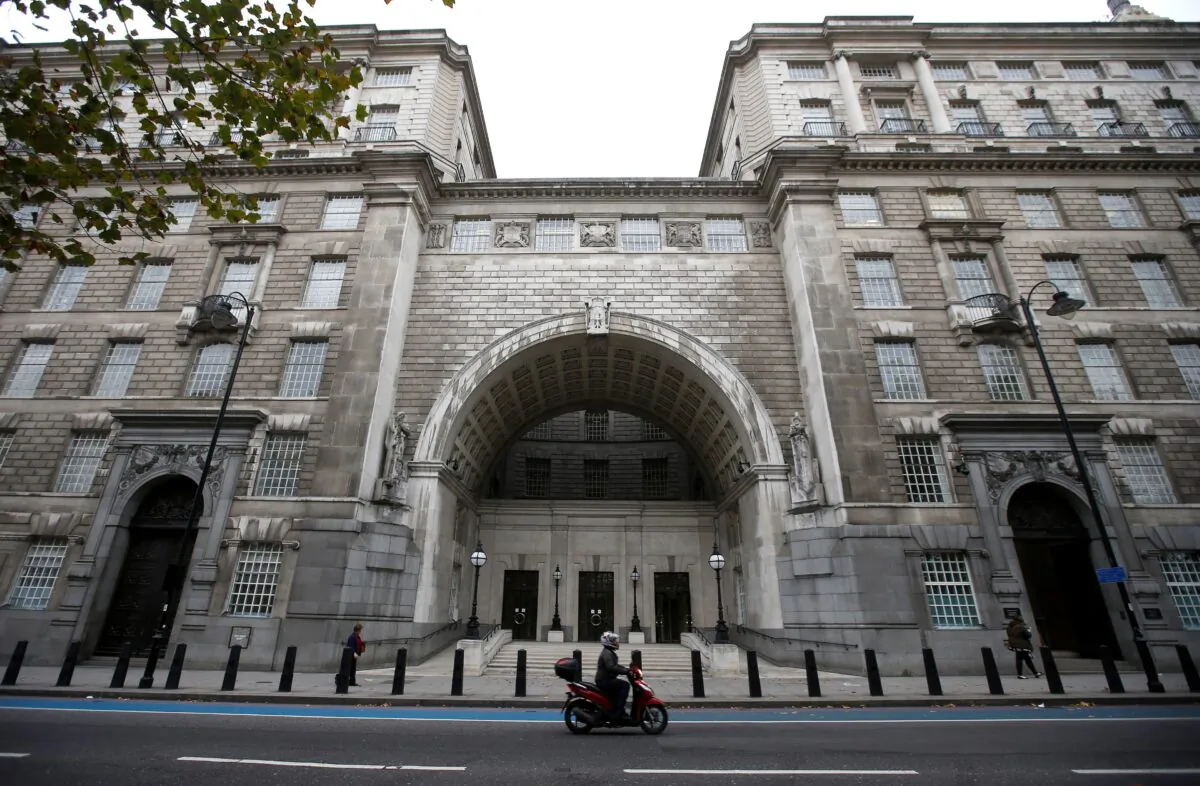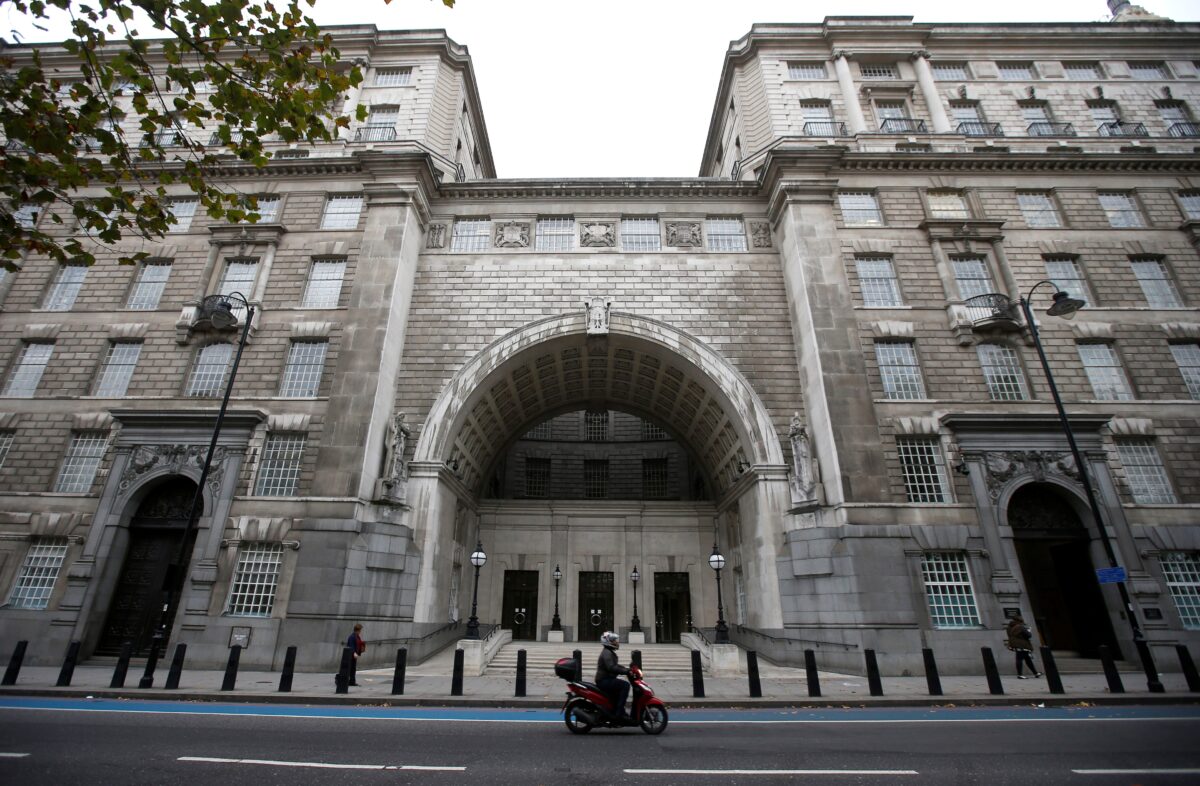

Britain’s MI5 spy agency issued an unprecedented warning on Wednesday, alleging that a Chinese organization is involved in funding academic research into sensitive topics including AI on behalf of Beijing’s state security service.
In its espionage alert, MI5 said more than 100 UK-based academics had contributed to projects funded by the China General Technology Research Institute (CGTRI), which has “very strong ties” to Beijing’s civilian intelligence service, the Chinese Ministry of State Security (MSS).
“MI5 has identified that the primary purpose of CGTRI is to fund academic research that directly improves MSS technical capability for espionage,” the alert stated.
“UK academics have contributed to CGTRI-funded projects on topics including Artificial Intelligence (AI), cybersecurity, covert communications systems and steganography. This activity supports MSS espionage, which poses a threat to UK national security.”
Steganography is the practice of concealing a secret message or data within an ordinary file or physical object, such as an image, audio file, video, or text, in a way that renders the hidden information undetectable to casual observation.
MI5 said this was the first time it had independently published an alert publicly.
Series of Accusations
It marks the latest in a series of British accusations concerning alleged Chinese espionage activities, highlighting the tension between national security concerns and the government’s attempts to build ties with Beijing.
The British spy agency said many academics and institutions would have worked with the Chinese organization in good faith, without knowing of its close ties to the MSS.
However, MI5 said those who continued to do so following the alert would now risk prosecution under Britain’s National Security Act, passed in 2023 to give greater powers to target foreign spying and hostile state activities.
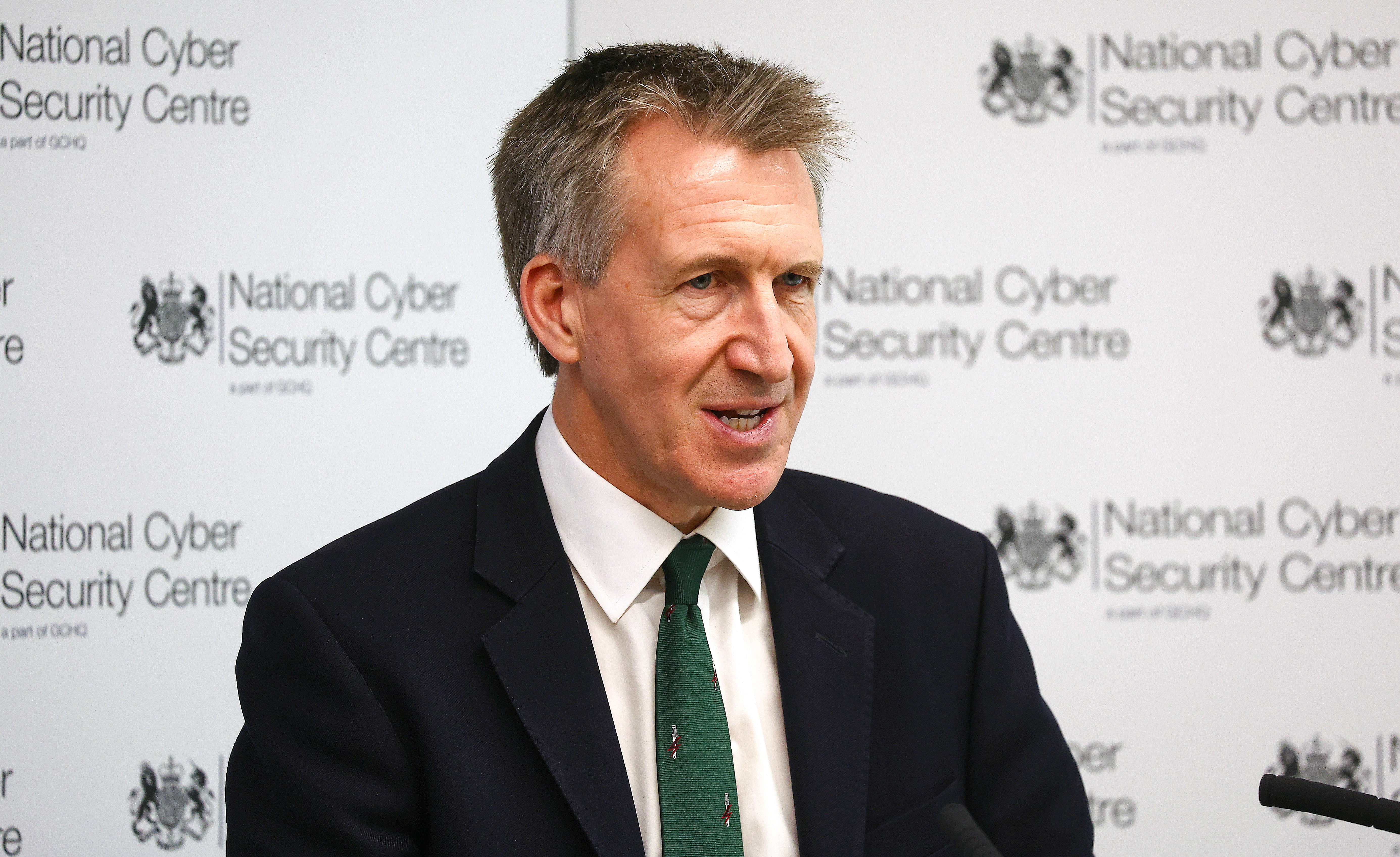 British Minister of State for Security Dan Jarvis speaks at the National Cyber Security Centre (NCSC) headquarters in London on Oct. 14, 2025. (Peter Nicholls/Getty Images)
‘Undermining Our National Security’
“This alert exposes attempts by Chinese intelligence to covertly benefit from the expertise and research of our academics, undermining our national security, and that of our allies,” Jarvis said in a statement shared with UK media.
“International partnerships are vital to ensure our universities and research institutes continue to thrive, but we will take robust action to defend against the threats we face.”
In recent years, the British governments led by both the Conservatives until 2024, and now Labour, have sought to improve relations with Beijing to strengthen trade ties.
Warnings were issued by a number of lawmakers and campaigners after the government approved plans for China to build a “mega embassy”—the regime’s largest in Europe—in the heart of the City of London.
At the same time as making diplomatic overtures, the government has repeatedly warned of Chinese spying efforts and attempts to undermine the British democratic system.
Warnings Over Job Ads
MI5’s Director General Ken McCallum alleged last October that Chinese spies posed a daily national security threat, and were creating fake job adverts intended to lure unsuspecting British professionals into handing over potentially sensitive information.
His agency separately issued a warning to British lawmakers last November, alleging that they were being targeted by Chinese agents in a bid to collect information and influence their activity by posing as companies or headhunters.
In June, security agencies from the “Five Eyes” alliance of the United States, Britain, Canada, Australia, and New Zealand published a warning about Chinese spies allegedly aggressively using online job platforms, such as LinkedIn, to recruit individuals with access to sensitive information.
The Chinese regime has denied the allegations.
 Friends Read Free
Copy
Facebook
Tweet
Friends Read Free
Copy
Facebook
Tweet