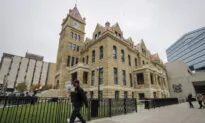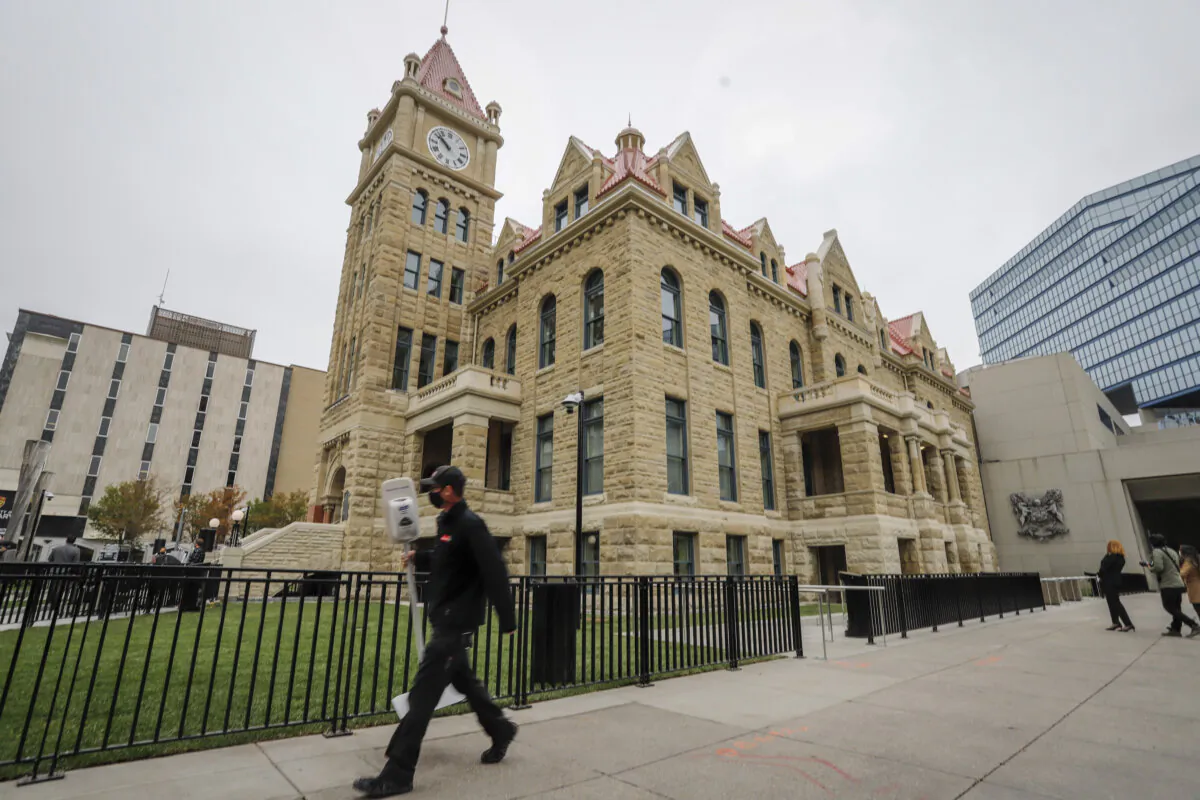

City of Calgary councillors are asking for Alberta to bring back photo radar following several fatal collisions, including one that left a toddler dead.
Calgary police say a toddler was hit and killed while being pushed in a stroller on a marked crosswalk on Feb. 15. A few days prior, a man in his 70s collided with a school bus and later died of his injuries.
Ward 3 Coun. Andrew Yule asked Mayor Jeromy Farkas during a Feb. 17 council meeting whether the City had heard back from the province after the council requested in November 2025 that Farkas work with provincial Transportation Minister Devin Dreeshen on traffic safety enforcement.
Farkas said he recently sent a letter to the minister but had not had a response.
The letter, which Farkas read to council, noted the province removed photo radar from provincial roads in April 2025, adding that this led to “an upswing in speed-related collisions.”
Calgary Police said 2025 marked a “10-year high” for traffic fatalities, and 32 people had been killed as of Nov. 16, 2025.
Farkas called on the province to review its decision to reduce photo radar, based on “safety outcomes.”
The province previously said that municipalities could request provincial approval for exemption to the photo radar ban in high collision areas, but are required to submit a business case with evidence of high collision frequency and severity at the site. The government also said that to be approved for an exemption, municipalities must commit to have the site audited every two years to assess the effectiveness of radar at reducing collisions in the area.
Farkas said in the letter that any revenue from the traffic enforcement would be earmarked for traffic safety improvements such as safer intersections, crosswalk upgrades, and school zone protection.
The Epoch Times attempted to reach Minister Dreeshen but did not hear back by publication time.
Coun. Myke Atkinson said that there was a need for better data collection on the number of pedestrians hit and killed.
“What my office is starting to find out is that we actually don’t have sufficient data about pedestrian strikes on our streets, our internal data only accounts for pedestrian strikes, strikes that result in a traffic interruption for cars, it’s not the full picture,” he said during the meeting.
Calgary city administration said that more data would be “critical,” adding it recently launched the Vision Zero campaign, which aims to get drivers to stay more alert and reduce distracted driving.
The provincial government said that as part of an update to its Automated Traffic Enforcement guidelines, photo radar would be prohibited on provincial highways and connectors, being restricted to school, playground, and construction zones. The government also said it was limiting traffic photo radar to red light enforcement only.
At the time, Dreeshen called photo radar a “cash cow” and said the updated guideline would ensure it is only used for safety.
Fatalities
Calgary police said a toddler was rushed to hospital after the stroller the child was riding in was hit by a Jeep Cherokee on Feb. 15. The toddler later died in the hospital.
Neither of the adults who had been pushing the stroller were injured, police said, adding that neither impairment nor speed were considered factors in the investigation.
The incident happened a few days after a man in his 70s was taken to hospital with life-threatening injuries after his vehicle collided with a school bus on Feb. 11, according to Calgary Police.
At the time, the bus was carrying about 20 students between the ages of 14 and 16 years, one of which was treated at the scene for minor injuries. The driver of the bus was also injured as a result of the collision, but was stabilized in hospital.
Police said that speed and impairment were not considered factors in the collision.
 Friends Read Free
Copy
Facebook
Tweet
Friends Read Free
Copy
Facebook
Tweet