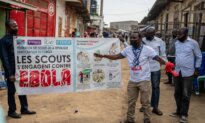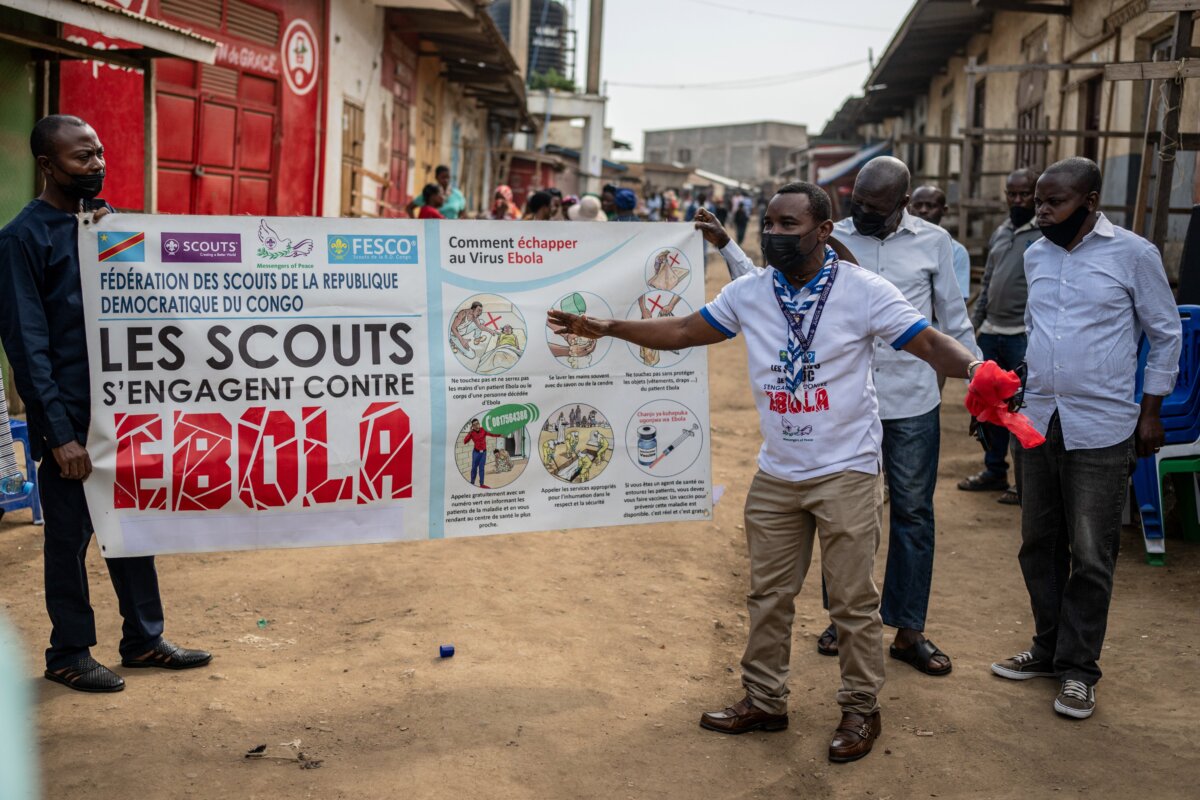

Those who have travelled to Congo, Uganda, or South Sudan in the past three weeks are required to isolate for 21 days after arriving in Canada under the most recent response measures to the Ebola outbreak.
“The Government of Canada is taking decisive action by introducing temporary border measures to reduce the risk of the virus entering and spreading within Canada,” the Public Health Agency of Canada said in a news release.
The temporary isolation measure takes effect May 30, and is to remain in effect for three months until Aug. 29.
The government says it is also suspending immigration documents for residents of all countries that have a high or very high risk of outbreak of Ebola disease for 90 days starting on May 27.
Under that measure, even those with a previously approved temporary or permanent resident visa, or an electronic travel authorization (eTA), will not be allowed entry into Canada if they have been to a country at high risk for Ebola.
An eTA is a document used to meet entry requirements for visa-exempt foreign nationals traveling to Canada by air. It is linked directly to a traveller’s passport, allowing travel to Canada as often as they want for short stays, generally up to six months at a time.
The government said the isolation requirement will also apply to Canadian citizens, those who have already been living in Canada under a permanent resident visa, persons registered under the Indian Act, and foreign nationals who do not have Ebola disease symptoms. Those with symptoms will be isolated at a hospital.
Non-Canadian citizens with recent travel to affected countries who are already in Canada will not be impacted by the new measure, as those individuals were screened when they entered, the department said.
“While the risk to people in Canada remains low, the Government of Canada is taking a precautionary approach given the severity of Ebola disease and the evolving international situation, including the FIFA World Cup 2026,” it said.
No cases of Ebola have ever been reported in Canada, and there are currently no known cases in the country, the agency said, adding that the situation continues to be monitored and policies would be adjusted as needed.
The current Ebola outbreak in Congo and Uganda is being driven by the rare Bundibugyo strain of the virus, a form of Ebola for which there is currently no approved vaccine or specific treatment.
Health authorities say Ebola spreads through direct contact with the bodily fluids of infected people or contaminated materials, and infected individuals are generally not considered contagious until symptoms appear. Symptoms can include fever, fatigue, vomiting, diarrhea, bleeding, and organ failure.
The World Health Organization this month declared the outbreak a public health emergency of international concern.
 Friends Read Free
Copy
Facebook
Tweet
Friends Read Free
Copy
Facebook
Tweet