The Canadian Armed Forces has issued new rules that expand restrictions on faith-specific language and practices during official military ceremonies and public events, including references to God.
The new directive, released on July 29, applies to all Canadian Armed Forces (CAF) members, Department of National Defence (DND) employees, contractors, and volunteers engaged in offering “spiritual or religious services” for the CAF, expanding application of previous instructions that only specified chaplains. The new directive also offers further specific details on what the prohibition entails.
Under the latest directive, chaplains and any others taking part in official military ceremonies or commemorative events where prayers or religious observances would traditionally be offered must instead deliver a “spiritual reflection.” It defines “spiritual reflection” as reflecting on “lessons learned, beliefs, values, and experiences to inspire gratitude, remembrance, hope, and integrity.”
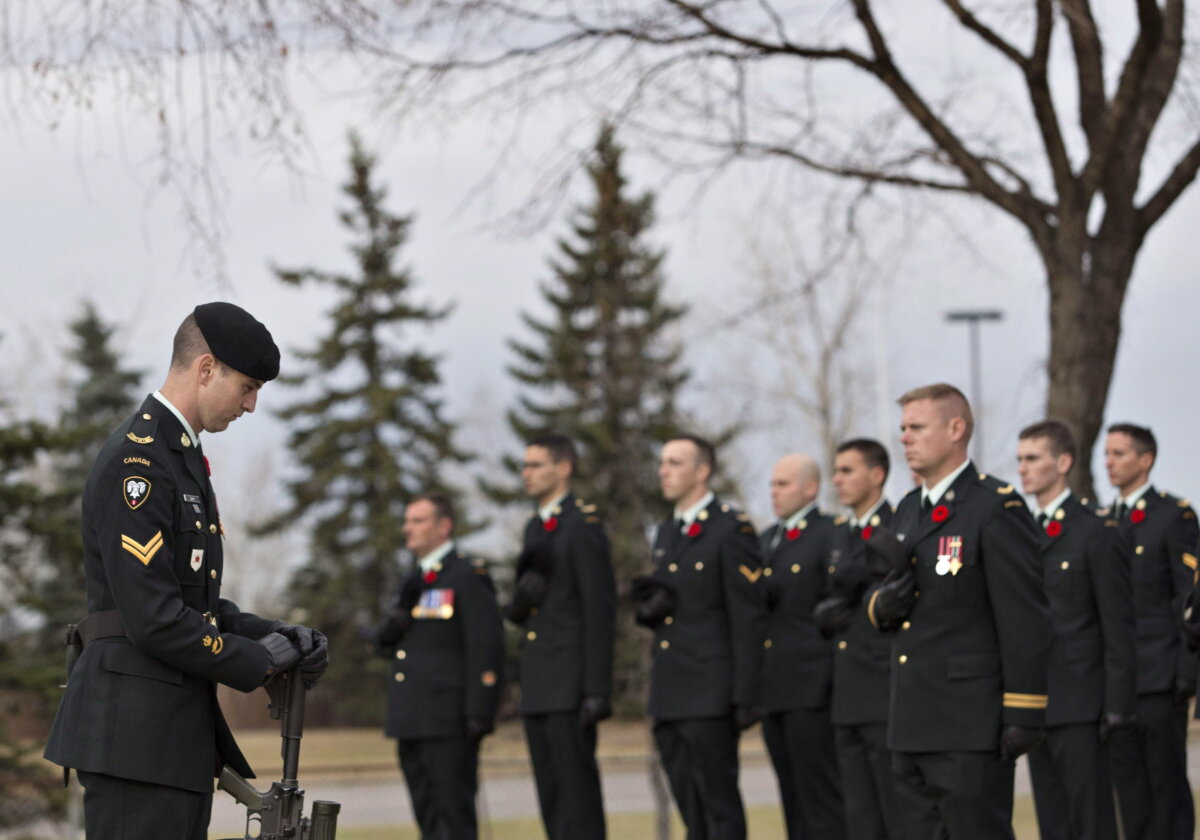
The directive applies to all events connected to official government business that CAF members are mandated to attend. This includes graduation parades, change-of-command ceremonies, honours and awards ceremonies, and other official military commemorations such as Remembrance Day ceremonies.
The latest directive supersedes an earlier policy from 2023 that only specified chaplains as having to adhere to “a sensitive and inclusive approach” during official ceremonies, reasoning that those attending who don’t share the religious beliefs of the chaplain could then take part “with a clear conscience, no matter their beliefs.”
The 2023 policy had in turn replaced a 2013 directive on public prayer, with the 2023 directive referring to a public address by chaplains as “reflection” rather than as prayer as the 2013 one had done, and banning words such as “God” and “Heavenly Father” during official ceremonies.
Exceptions
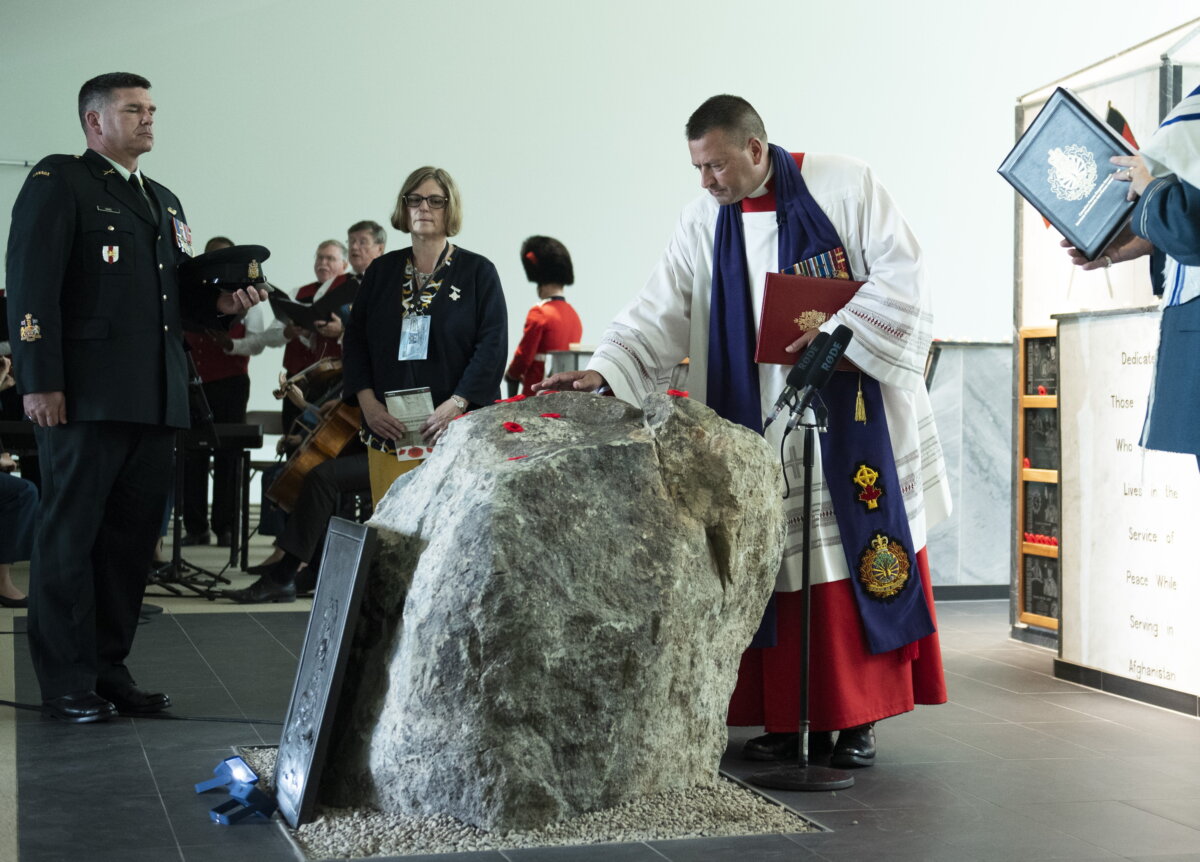
The new directive sets out exceptions where religious and spiritual language is permitted, including allowance for “indigenous practices” that include spiritual beliefs, which are still permitted in military settings “for cultural, historical, and educational purposes.”
It specifies that these practices, including “spiritual elements,” must be “framed explicitly within an educational and cultural context” and that CAF members and those attending can’t be forced to take part in the spiritual part of any indigenous practices.
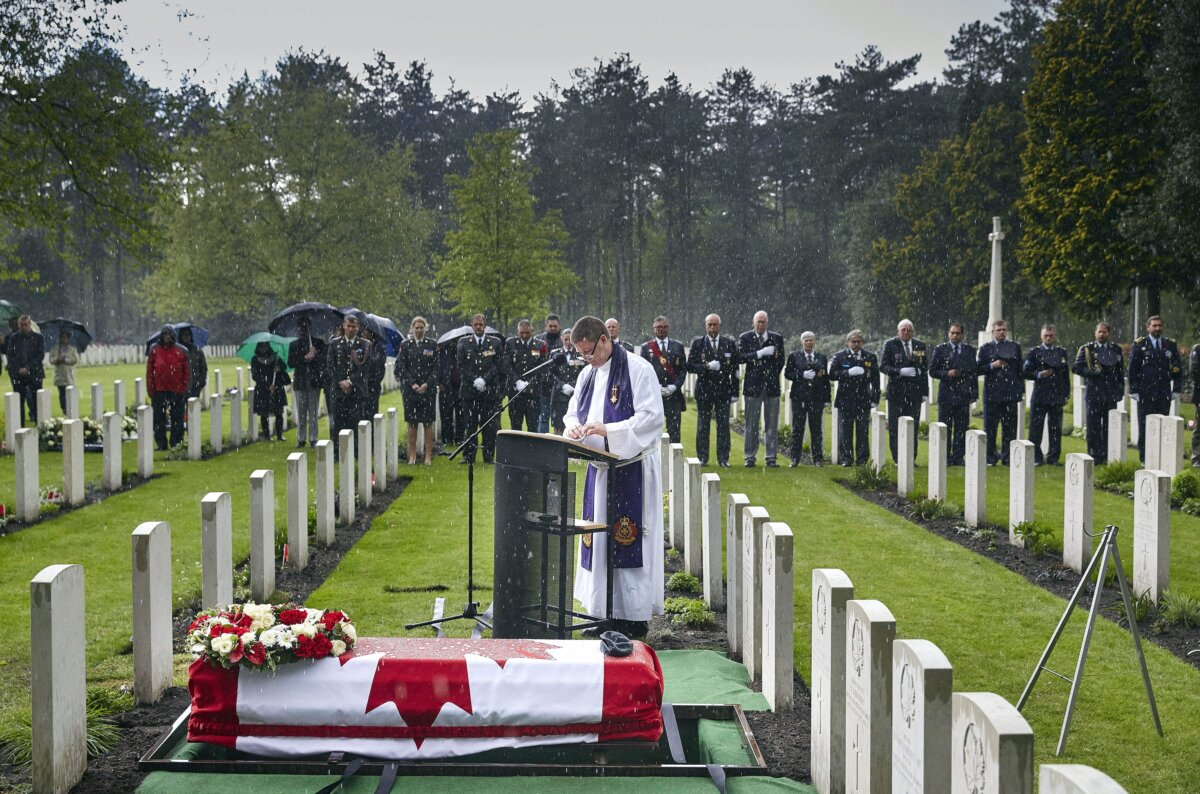
The directive also notes that the restrictions do not apply to military or state funerals where the wishes of the deceased and their family may be observed.
The instruction allows chaplains to offer faith-specific prayers and rituals during private interactions with CAF members, voluntary faith-specific religious gatherings, and in members’ specific, in-person spiritual role.
It notes that regimental prayers and traditions around patron saints can still be taught for the sake of military history but CAF members can’t be compelled to take part.
The directive also states that religious dress such as hijabs, Sikh turbans, Jewish yarmulkes, and other approved religious headwear or personal items are still permitted, but no specific faith tradition may be referenced during public comments.
A religious accommodation policy issued on July 15, 2016, required the CAF to accommodate members’ sincerely held religious or spiritual beliefs—including practices related to dress, diet, observances, fasting, and prayer—unless doing so would violate the law or the CAF’s minimum operational requirements.
‘Severe and Obvious Restriction’
The CAF says the policy is intended to uphold religious neutrality in public duties while respecting Charter protections for both religious belief and the freedom not to hold religious beliefs. It cites a 2010 Supreme Court of Canada ruling that required religious neutrality by the state.
“The CAF must uphold and respect the Charter rights of our members and members of the public by maintaining religious and spiritual neutrality in the exercise of our public duties,” the text of the new directive says.
An active chaplain in the CAF, who asked to remain anonymous to avoid reprisal, told the Epoch Times he disagrees strongly with the new rules.
“After the drama of the spiritual reflection first published nearly three years ago, they kept pushing it every year. Now three years later, this is their new attack,” he said. “If they can’t convince us, they will exhaust us into compliance.”
The chaplain added that the fact that this applies to all CAF members is especially concerning to him.
“After being told by multiple MPs we will never be kept from praying, well now all CAF members are required to adopt secularism as the official religion of the CAF publicly,” he said, adding that “this is using the cover of religious freedom to obliterate religious freedom.”
Another chaplain, who also asked to remain anonymous, said the new directive amounts to an “inversion” of rights.
“They invoke the Charter—which is supposed to protect religious freedom— in order to cancel religious freedom,” he told The Epoch Times. “And then they have the audacity to claim that this policy enhances the chaplain’s ability to serve the needs of our CAF members, when it is a severe and obvious restriction.
The Epoch Times contacted the DND and the office of the Minister of Defence David McGuinty for comment but didn’t hear back by publication time. A DND spokesperson previously told The Epoch Times that the changes are meant to “ensure that all feel included and able to participate in reflection no matter their beliefs.”
Conservative MP and shadow minister for national defence James Bezan said the new rules violate CAF members’ freedom of religious expression.
“Conservatives are deeply concerned about this Liberal government’s continued interference in the traditions, values, and personal freedoms that have defined the Canadian Armed Forces,” Bezan told The Epoch Times in a statement.
Bezan added that all CAF members should be permitted to take part in military events in the way that reflects their faith and traditions, and said the new directive prohibits military faith leaders from expressing their religious beliefs.
“Instead of being inclusive, this Liberal government has excluded military members of faith and sent a message that they are no longer welcome in the Canadian Armed Forces,” he said. “This Liberal government must reverse this unnecessary and regressive policy and restore the freedom of religious expression to our women and men in uniform.”
The July 29 instruction doesn’t specify penalties for violations. Under broader CAF administrative and disciplinary frameworks, failure to follow lawful military instructions can result in administrative or disciplinary consequences.
 Friends Read Free
Copy
Facebook
Tweet
Friends Read Free
Copy
Facebook
Tweet