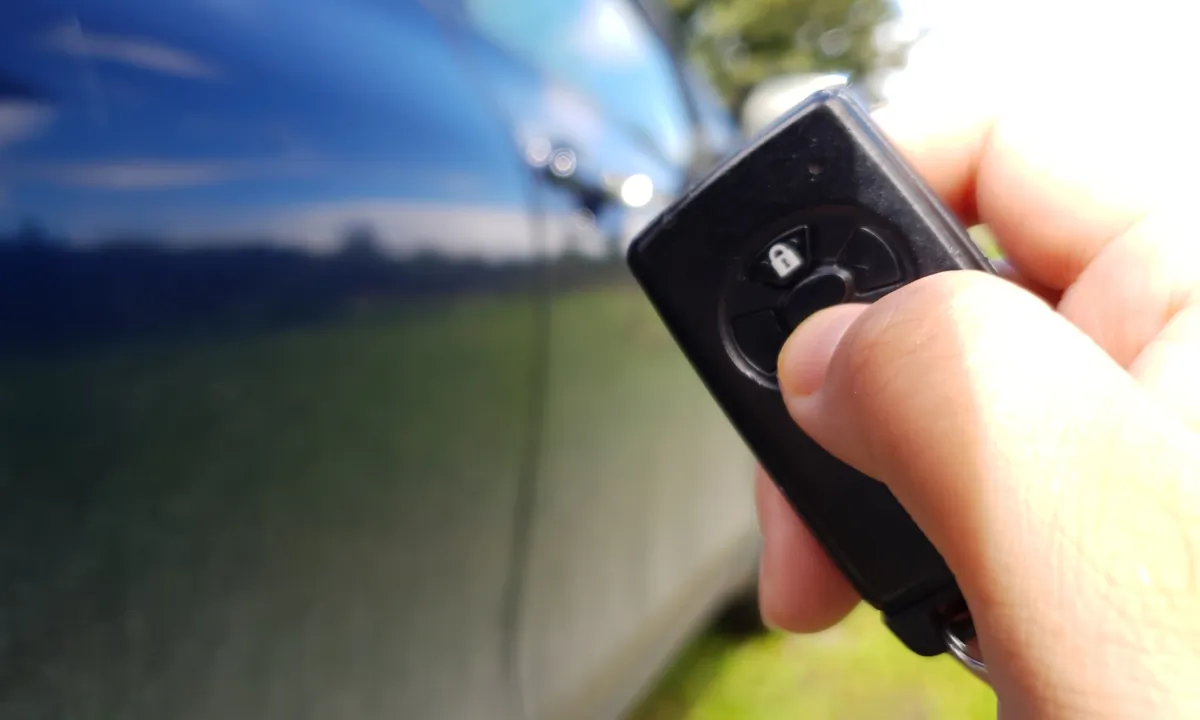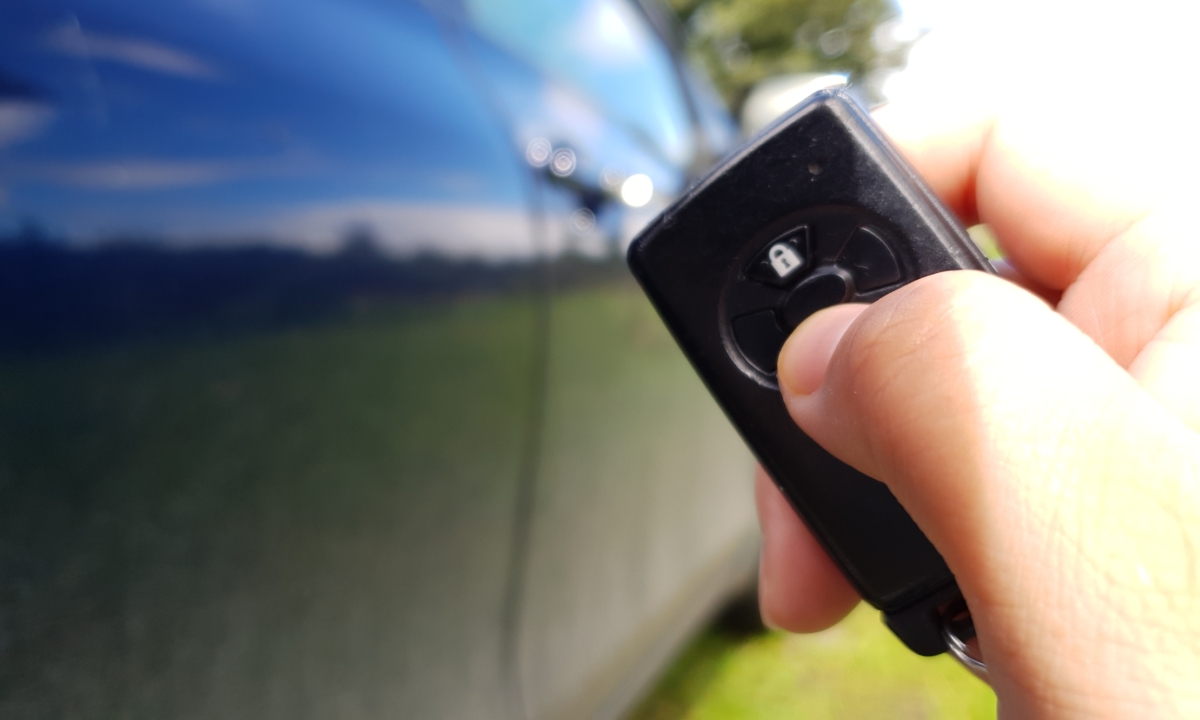

Vehicle thieves are increasingly using distraction tactics and high-tech devices to intercept key fob signals, according to the Canadian Automobile Association (CAA).
Police across Canada have received reports of thieves distracting drivers to keep them near their vehicles in parking lots, shopping centres, and other busy areas, CAA South Central Ontario said in a press release. At the same time, they also use electronic devices to capture or amplify key fob signals.
“As a result, key fob-related auto theft is no longer limited to driveways or overnight incidents,” CAA said.
In a relay attack, thieves amplify the signal from a nearby key fob so the vehicle detects the key as present, allowing the thieves to unlock and sometimes start the car, according to the association. In more advanced thefts, criminals may use electronic tools inside the vehicle to reprogram or clone a new key fob for future access.
This type of theft often occurs without the driver immediately realizing anything has happened, according to the release. However, drivers of newer vehicles with dedicated brand apps—like FordPass, MySubaru, OnStar/MyChevrolet, or Tesla—may receive alerts on their phones once the vehicle has been started or driven away without the physical key fob or paired phone present.
“A brief interaction in a parking lot can quickly become an opportunity for organized criminals to target both drivers and their vehicles. Public awareness and simple preventative measures remain some of the strongest tools drivers have to protect themselves,” CAA South Central Ontario government relations director Elliott Silverstein said in the release.
CAA says drivers should park in well-lit, high-traffic areas and remain cautious of unsolicited interactions near their vehicles, including persistent requests for help, offers of gifts, or situations that require them to remain close to their vehicles or approach another vehicle.
The organization urged motorists to trust their instincts and leave the area if something seems suspicious. It also recommended locking vehicles immediately after exiting, storing key fobs in RFID-blocking or Faraday pouches to prevent signal interception, and avoiding leaving fobs in purses, shopping carts, or other exposed areas.
Additional measures include using visible anti-theft devices such as steering wheel locks, removing personal information from vehicles, clearing saved home addresses from GPS systems, and reporting suspicious activity to police.
The warning comes on the heels of a major car-theft ring bust in the region.
Niagara Regional Police announced the results in May from Project Jack Links, an investigation into more than 50 Lexus and Toyota thefts and more than 100 related offences.
Police executed search warrants on May 14, recovering more than $5.5 million worth of stolen vehicles. Investigators say many vehicles are electronically bypassed or reprogrammed and exported overseas.
 Friends Read Free
Copy
Facebook
Tweet
Friends Read Free
Copy
Facebook
Tweet