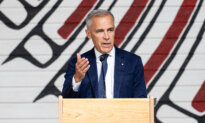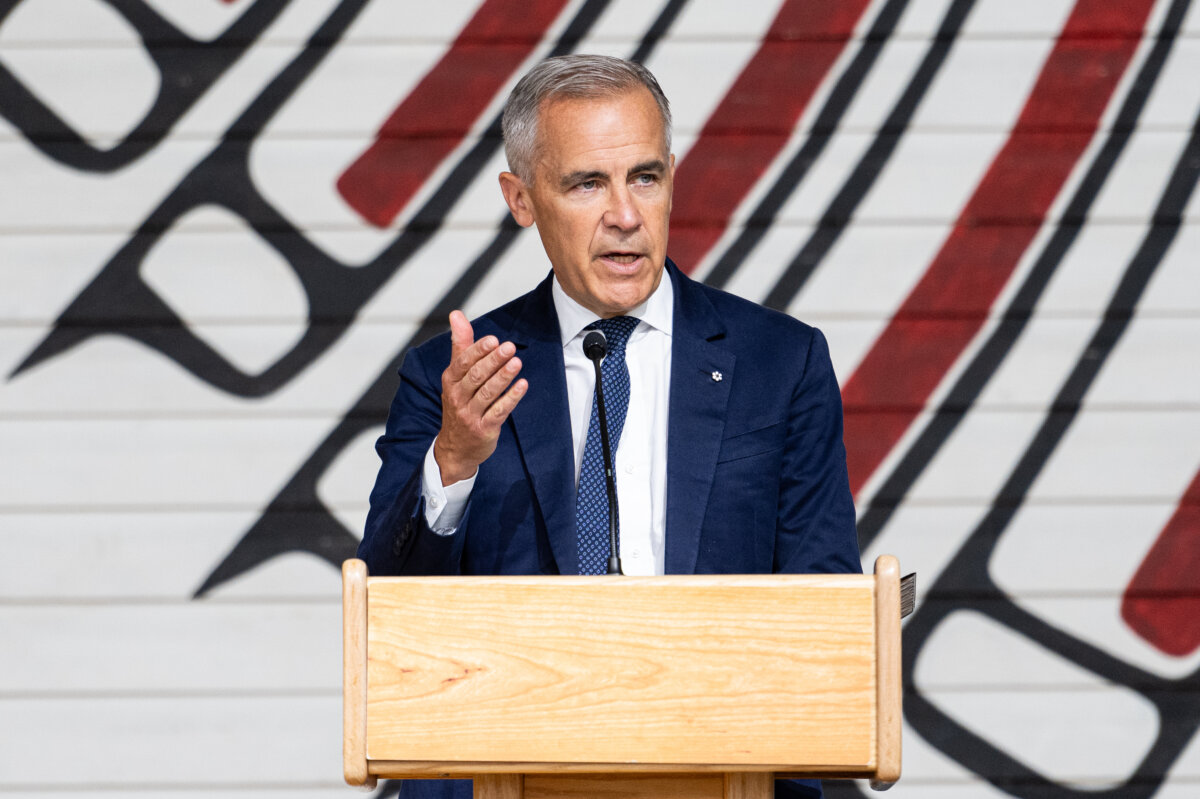

Prime Minister Mark Carney opened a two-day summit with First Nations chiefs on the government’s recently passed major projects bill by saying the legislation puts “indigenous economic growth at its core.”
Carney is meeting with the chiefs in Gatineau, Que., on July 17 to discuss the One Canadian Economy Act, formerly known as Bill C-5, which allows the government to support the development of major projects such as pipelines, ports, and railways that are deemed of national interest.
The legislation allows projects to bypass provisions of certain laws, and aims to reduce the approval times for projects to two years. Indigenous groups have voiced concern, saying they were not properly consulted about provisions in the legislation that could weaken existing requirements related to indigenous consultation and environmental protections.
Carney’s opening remarks described the legislation as a means for Canada to develop its economy in collaboration with indigenous partners. The economic value of the various projects will be “shared with First Nations, as partners, who will help build the prosperity of your communities for generations to come,” he said.
“Being a reliable partner to indigenous peoples goes beyond upholding the duty to consult, to enabling the creation of long-term wealth and prosperity for indigenous peoples through full equity ownership,” Carney said. He added that the indigenous-owned Cedar liquefied natural gas project in British Columbia is the “gold standard for infrastructure projects in Canada.”
The prime minister said the summit will involve discussions on how Ottawa and First Nations can best work together, and will review the role of the new federal major projects office and how it will work with the Indigenous Advisory Council. That will be followed by a discussion on working with First Nations on “opportunities for equitable economic prosperity, partnership and full participation in major projects.”
“Finally, at the end, I’ll help moderate a session on how we can work together on the implementation of this legislation,” Carney said. “And during that session, obviously, I’ll be very happy to take your questions.”
The government had asked First Nations to submit the questions they wanted answered a few days ahead of the meeting as a way to highlight “shared priorities and bring the most pressing issues to the forefront.”
Assembly of First Nations National Chief Cindy Woodhouse Nepinak said during a July 16 press conference that Canada’s economic growth and prosperity could not come “at the expense of our rights and of the environment” and that consent from First Nations for major projects is “not optional.”
Woodhouse Nepinak also said Ottawa had “purposely excluded” indigenous stakeholders from discussions about Bill C-5 while it was being discussed in Parliament, and that she hoped the prime minister “will make meetings with rights holders a more regular occurrence.”
Carney promised to pass legislation to speed up approvals for major projects before Canada Day, resulting in Bill C-5 being rushed through the House of Commons. An amendment from Sen. Paul Prosper that would have ensured projects could not be approved without the explicit consent of affected communities did not pass during the Senate’s third reading of the bill.
 Friends Read Free
Copy
Facebook
Tweet
Friends Read Free
Copy
Facebook
Tweet