
The federal government has requested that First Nations chiefs submit their questions prior to meeting with Prime Minister Mark Carney to discuss approvals for major projects.
The recently passed Bill C-5, also known as the One Canadian Economy Act, allows the government to support the development of major projects deemed to be in national interest, such as pipelines, ports, and railways. Ottawa can allow some projects to bypass some provisions of certain laws, and aims to reduce the approval times for projects to two years.
Following the bill’s passage in Parliament in late June, the government said it would immediately hold consultations with the provinces, territories, and indigenous groups around the projects. Carney has said he plans to hold meetings with First Nations on July 17 in Ottawa, followed by meetings with Inuit leadership later in July, and with Métis leadership soon after.
Ottawa has said that indigenous consultation is a priority of the legislation, which facilitates this via the new major projects office, supported by an Indigenous Advisory Council with First Nation, Inuit, and Métis representation to ensure the approval of projects honours indigenous rights enshrined in the Constitution Act of 1982.
Several indigenous groups have raised concerns that Bill C-5 would weaken existing requirements related to indigenous consultation and environmental protections.
The chiefs of the First Nations have been given a deadline of July 16 to submit the questions they would like answered, and will also be given the option to vote on which questions their peers will pose. The invitation to the July 17 meeting states that this process will help highlight “shared priorities and bring the most pressing issues to the forefront.”
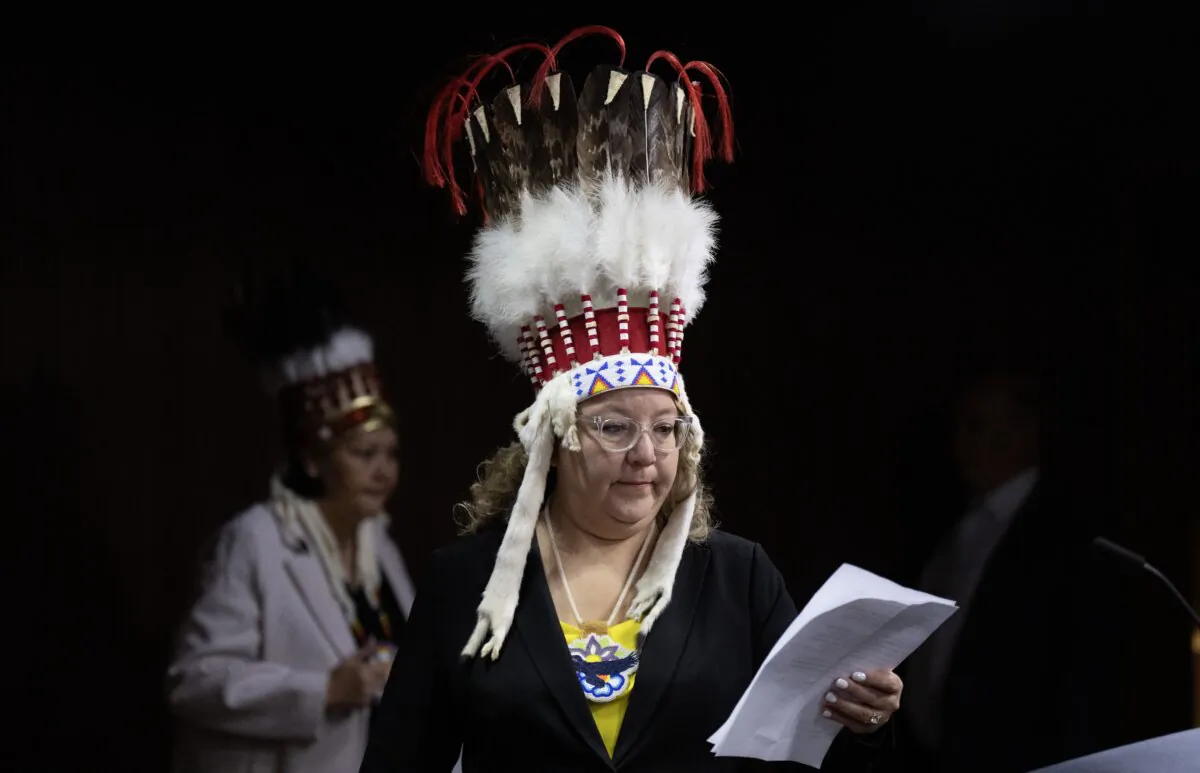
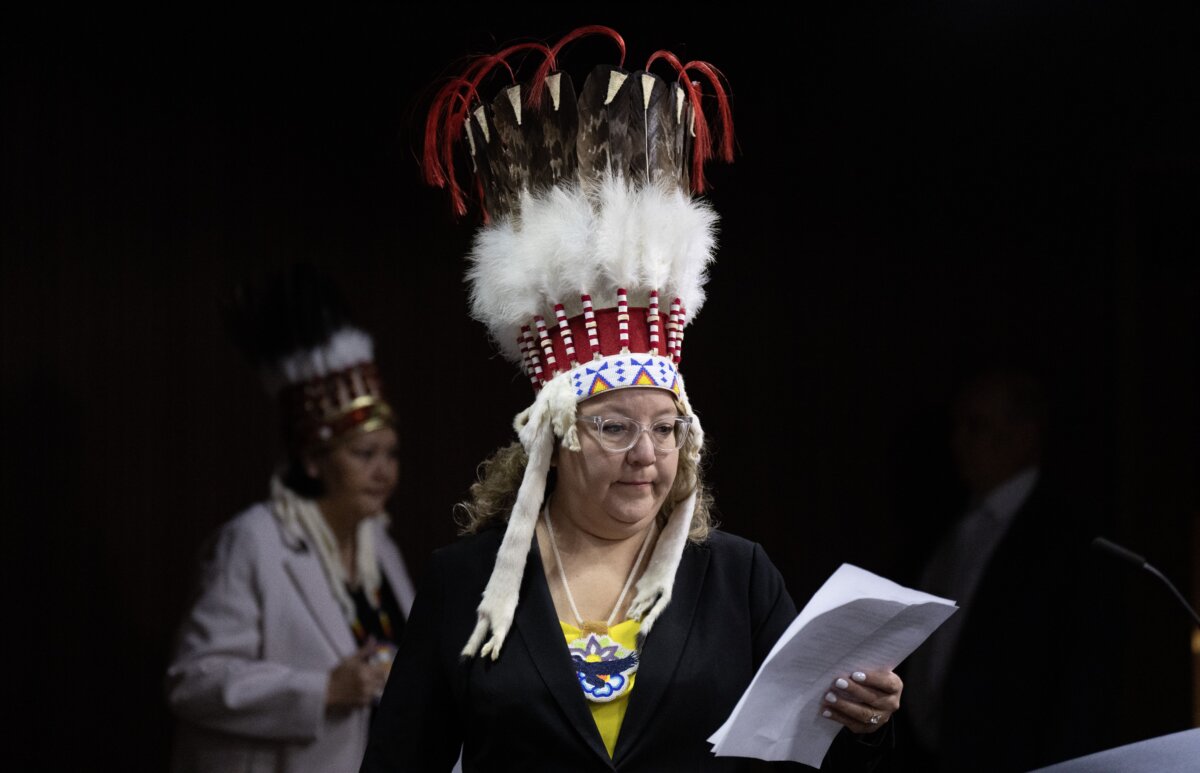
According to Assembly of First Nations National Chief Cindy Woodhouse Nepinak, the chiefs are “united” ahead of the meeting, and are concerned by how the legislation was pushed through Parliament with little input from them. She said the First Nations support economic development and prosperity, but “not at the expense of our rights or responsible environmental stewardship.”
Woodhouse Nepinak said the Assembly of First Nations met with federal officials on July 10 ahead of the meeting, and that while an important amendment had been made to the legislation that removed a clause allowing the sidestepping of the Indian Act, this was not enough to ease their concerns.
While Bill C-5 was going through Third Reading in the Senate on June 26, Senator Paul Prosper said the legislation was a “betrayal” of reconciliation. He introduced an amendment to the bill that said projects could not be approved without the explicit free, prior, and informed consent of affected communities, but this failed to pass.
The Canadian Press contributed to this report.
 Friends Read Free
Copy
Facebook
Tweet
Friends Read Free
Copy
Facebook
Tweet