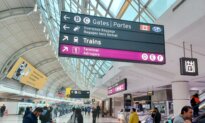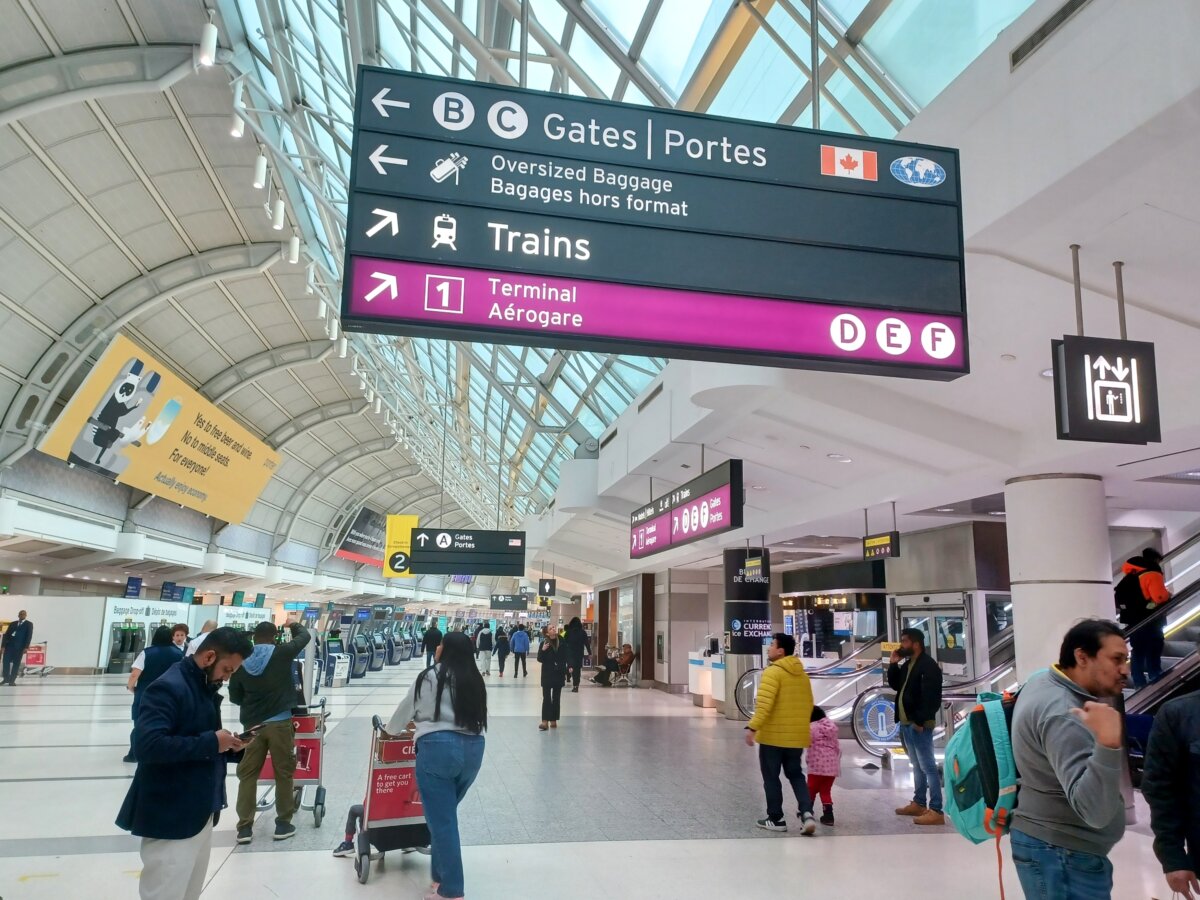

Prime Minister Mark Carney has announced his government’s plan to open up Canada’s four largest airports to private investment.
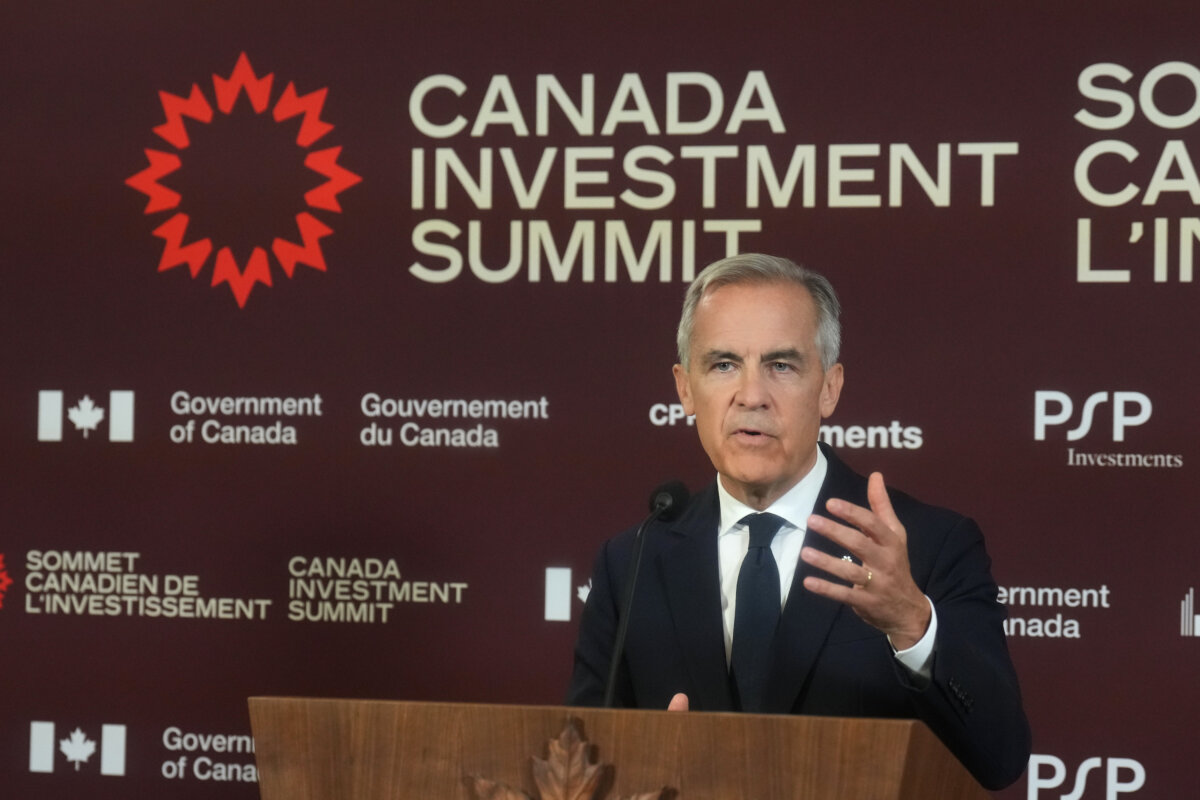
Ottawa plans to seek private capital and expertise to operate Toronto Pearson, Montreal, Calgary, and Vancouver airports while retaining ownership of the underlying land and assets, Carney said during his Sept. 15 keynote address at the Canada Investment Summit in Toronto.
“Following best practice in other countries, the government of Canada will retain ownership of the underlying land and assets, but we will unlock their true value by bringing in new capital and expertise to their operations and their growth,” Carney told investors.
The government wants input from investors on how the airports could be expanded, Carney said, with the aim of using capital raised through the airport concessions to fund other infrastructure projects, including regional airports, community transportation networks and a new “broadband backbone” for internet connections across Canada, with more “direct and secure” links to Europe and Asia.
Carney added that plan is to “reinvest the tens of billions of dollars of capital that we raise into infrastructure that Canada needs for the next generation.”
The prime minister said the government would draw on the experience of airport privatization in other countries and that the changes could lead to a “better passenger experience.”
Investment Plan
Carney also outlined his government’s plans for what he called a “fundamental shift” in Canada’s approach to investment, describing the country as a “safe harbour” for investment amid an unpredictable global landscape.
The government plans to accelerate tax deductions for “most” new capital investments, which Carney said would reduce the cost of investing in Canada. The measure is expected to cost the federal government $36 billion over five years.
About two-thirds of capital assets would qualify, Carney said, including machinery, manufacturing equipment, software, patents, research and development initiatives, fibre-optic networks, rail systems, pipelines, and other infrastructure.
Carney also announced that the government intends to balance the federal operating budget in 2027, one year earlier than the timeline the Liberals proposed during the 2025 election campaign. He attributed the change to measures including reducing the size of the federal public service, cutting spending across federal agencies over three years, and reducing the use of private consulting firms.
Carney has said the overall goal of the investment summit is to attract $1 trillion in new investment to Canada over the next five years. During his speech, he said the goal was achievable and described Canada as “the best connected economy in the world.”
He also suggested Canada is projected to have the second-fastest economic growth in the G7 this year and next, and that foreign investment is running at nearly twice the rate of Canada’s “nearest G7 peer.”
Conservative Leader Pierre Poilievre disputed the claim, describing Carney’s statements about increased foreign investment as “nothing but a grand illusion.”
“The truth is that more investments are leaving the country than are coming in, and a large part of what does come in is just buyouts of companies by foreigners,” Poilievre said in a Sept. 15 social media post. “A simple change of ownership, from Canadians to foreign buyers, without building anything new.”
Carney’s plan for airport investment was criticized by NDP Leader Avi Lewis who characterized the proposal as “privatizing” airports.
“Privatizing airports is a terrible deal for travellers, workers, and the public purse,” he said on social media. “Around the world, it has led to higher travel costs, fewer jobs and worse working conditions. Private equity moguls and fund managers love it! Once they’re in, they own a piece of a natural monopoly, and they print money for decades.”
Tory MP Michelle Rempel Garner, who serves as her party’s immigration critic, said the airport proposal raises “a lot of questions.”
“What will this mean for Canada’s exorbitant airport fees – will airfares increase even more? Canada’s major airports are already congested – will it get worse? Also, will foreign investors own critical Canadian infrastructure?” she said.
 Friends Read Free
Copy
Facebook
Tweet
Friends Read Free
Copy
Facebook
Tweet