
CEUTA, Spain—Ceuta President Juan Jesús Vivas told The Epoch Times on Monday that life in the Spanish city on the North African coast has become “absolutely unsustainable.”
“We are living in a pressure cooker that could explode at any moment,” Vivas said, stressing: “The people of Ceuta have lost their joy.”
Ever since the mass crossings of Moroccan migrants into the city of 83,000, Ceutans say they can no longer lead normal lives.
Migrants have set up informal camps in several parts of the Spanish enclave and roam through residential neighborhoods, leading many locals to stay indoors most of the time amid concerns about rising crime.
He said residents had also lost security, peace of mind, and freedom, which is why “the only solution is the return” of the thousands of Moroccans who remain after crossing the Spanish border on July 30 and 31.
Around 72,000 people crossed the border into Spain over the two-day period, with more than 70,000 leaving voluntarily shortly afterward, according to Spain’s Interior Ministry.
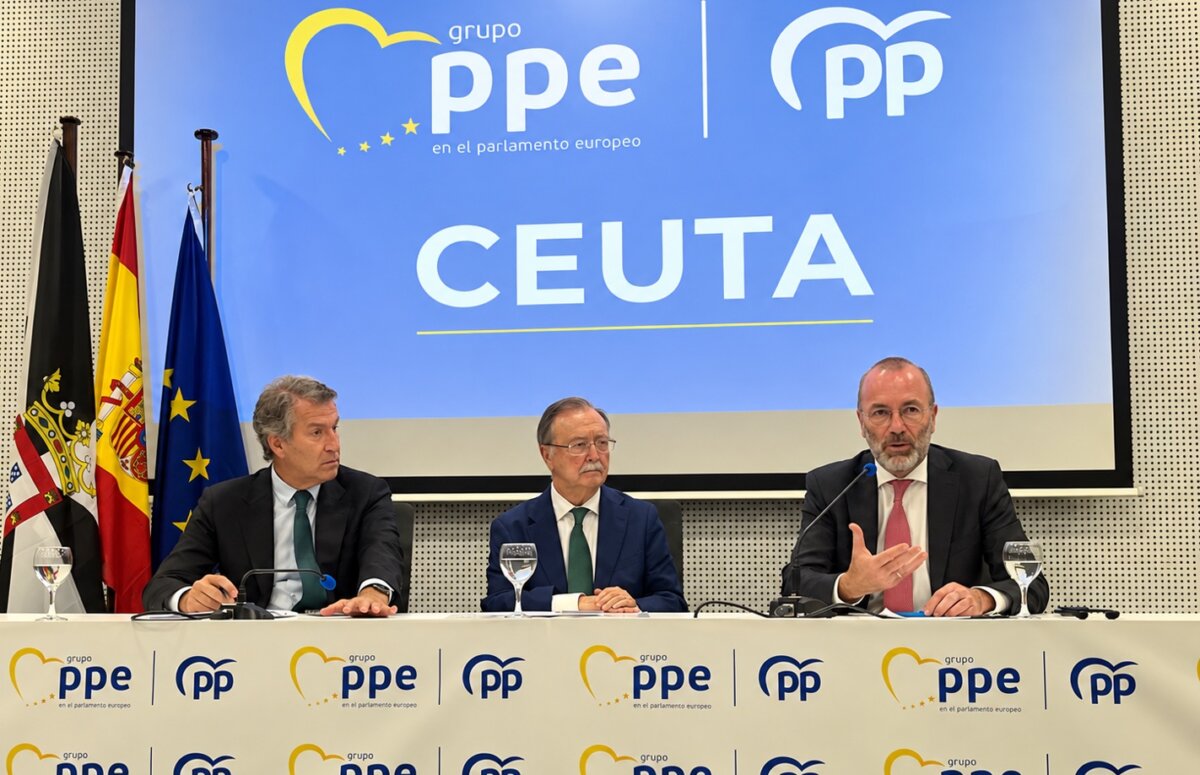
Vivas made the comments during a visit by Manfred Weber, president of the European People’s Party (EPP), the largest group in the European Parliament, and Alberto Núñez Feijóo, leader of Spain’s opposition Popular Party.
At a joint press conference, Vivas criticized the central government’s handling of the migrant crisis as “incomprehensible” and “unacceptable.”
He said local authorities still lacked basic information, including how many migrants remained in Ceuta, who they were, and how long it would take for the city to return to normal.
He accused Prime Minister Pedro Sánchez’s government of failing in its constitutional responsibility to protect the city.
Vivas also warned against allowing Ceuta to become a “mega temporary-stay center” housing a migrant population equivalent to 15 percent of the city’s residents, which he said would mean “the death of our city.”
Feijóo, making his fourth visit to Ceuta since July 30, said, “the people of Ceuta are increasingly desperate.” He estimated that around 13,000 people were still staying in the city irregularly.
‘Ceuta Is Europe’
Weber said the EPP’s first message from Ceuta was clear: “Ceuta is Spain, and Ceuta is Europe.”
His comments echoed European Commission President Ursula von der Leyen, who told the European Parliament on Sept. 16 that “Ceuta’s border is a European border.”
The next day, Parliament adopted an EPP-drafted resolution by 339 votes to 225 calling on Spain and Morocco to accelerate returns and denouncing the use of irregular migration as a “hybrid warfare tool.”
Speaking to The Epoch Times, Weber said the EU had taken “a great step” with its migration pact, arguing that it now gives member states the legal means to better control their borders.
“It’s about the political will for government to act,” Weber said, stressing that “Sánchez did not use these tools.”
Under these new rules, he said during the press conference, a migrant coming through a third country designated as safe, such as Morocco, can be rapidly sent back to the other side of the border.
Madrid’s Response
Hours later, Interior Minister Fernando Grande-Marlaska gave his own press conference in Ceuta, defending the government’s response to the crisis.
He said more than 2,500 adults had been screened, at a rate of more than 105 per day, while around 2,400 minors had been registered.
Authorities estimated that between 3,000 and 3,500 people were still living on the streets, he said.
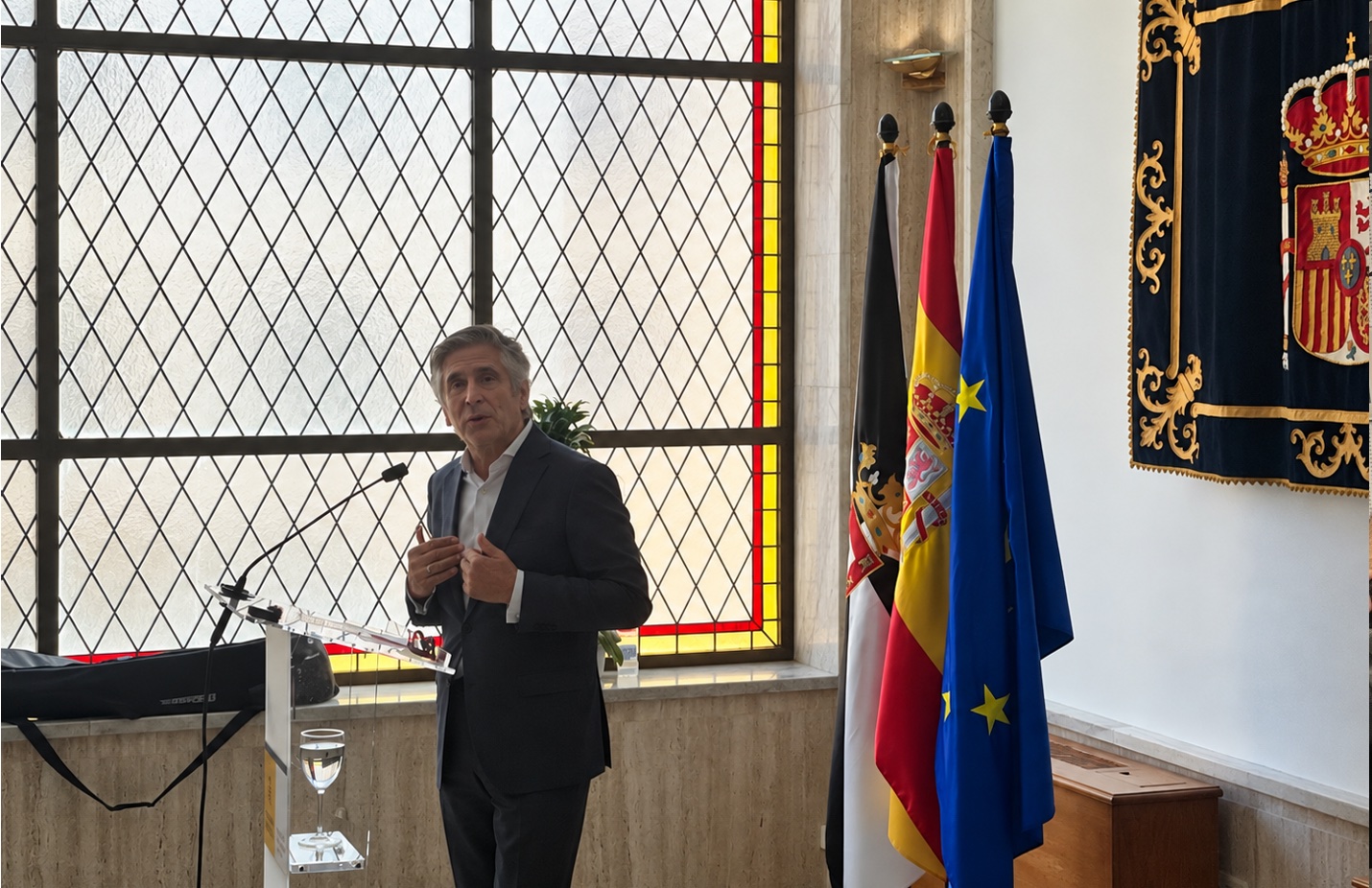 Fernando Grande-Marlaska at a press conference at the Spanish government delegation headquarters in Ceuta on Sept. 21, 2026. (Etienne Fauchaire/The Epoch Times)
The minister said part of the delay in processing minors was the responsibility of the city government, which he said had only appointed the legal representative required for their screening the previous week.
Grande-Marlaska also confirmed that security had been reinforced at the borders of Ceuta and Melilla ahead of a new online call for people to attempt crossings on Sept. 23, the day of Morocco’s legislative elections.
 Friends Read Free
Copy
Facebook
Tweet
Friends Read Free
Copy
Facebook
Tweet