
China’s ambassador to Canada says Beijing will remove its tariffs on Canadian canola and agricultural products if Ottawa lifts the levies on Chinese electric vehicles (EVs).
Wang Di in an interview with CTV aired on Oct. 12 accused Ottawa of hitting China with “unjustified” tariffs, stressing that Beijing will only lift retaliatory duties on targeted Canadian goods if Canada lifts its duties on Chinese goods first.
“China’s tariffs on Canadian agricultural products are a countermeasure against the EV tariffs and the unilateral unjustified tariffs on China’s steel and aluminum products,” Wang said “If Canada removes the unilateral, unjustified tariffs on Chinese products, China will also reciprocate accordingly.”
“And if the EV tariffs are removed, then China will also remove the tariffs on the relevant products of Canada,” he added.
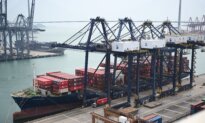
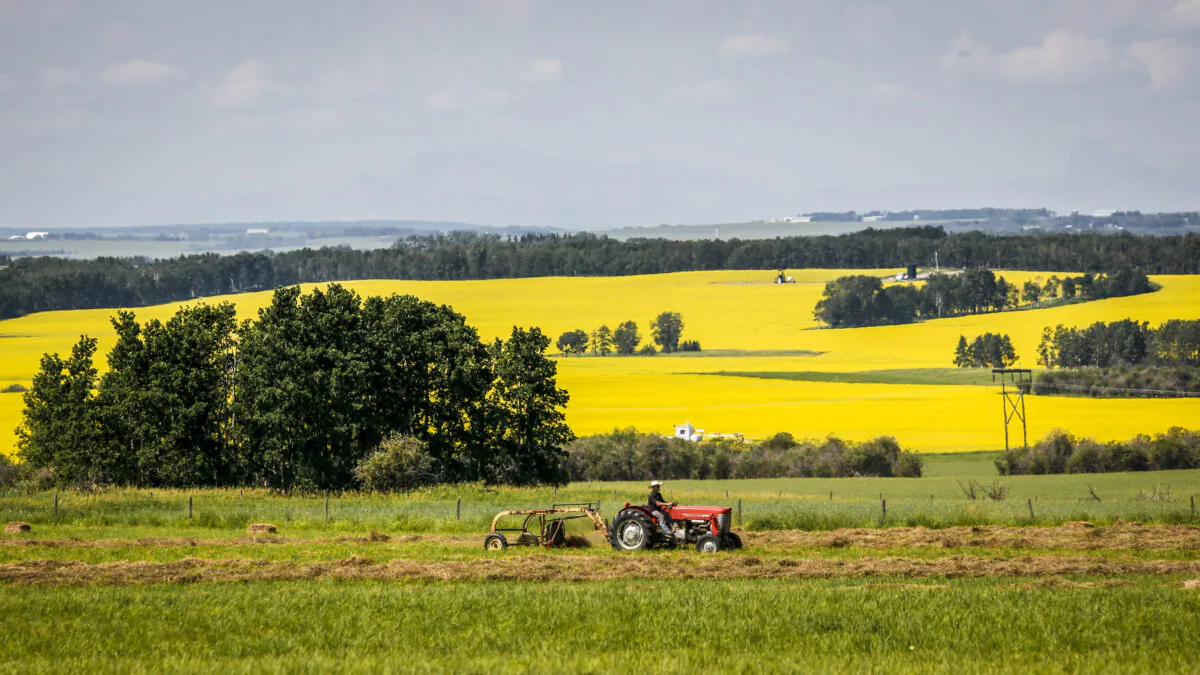
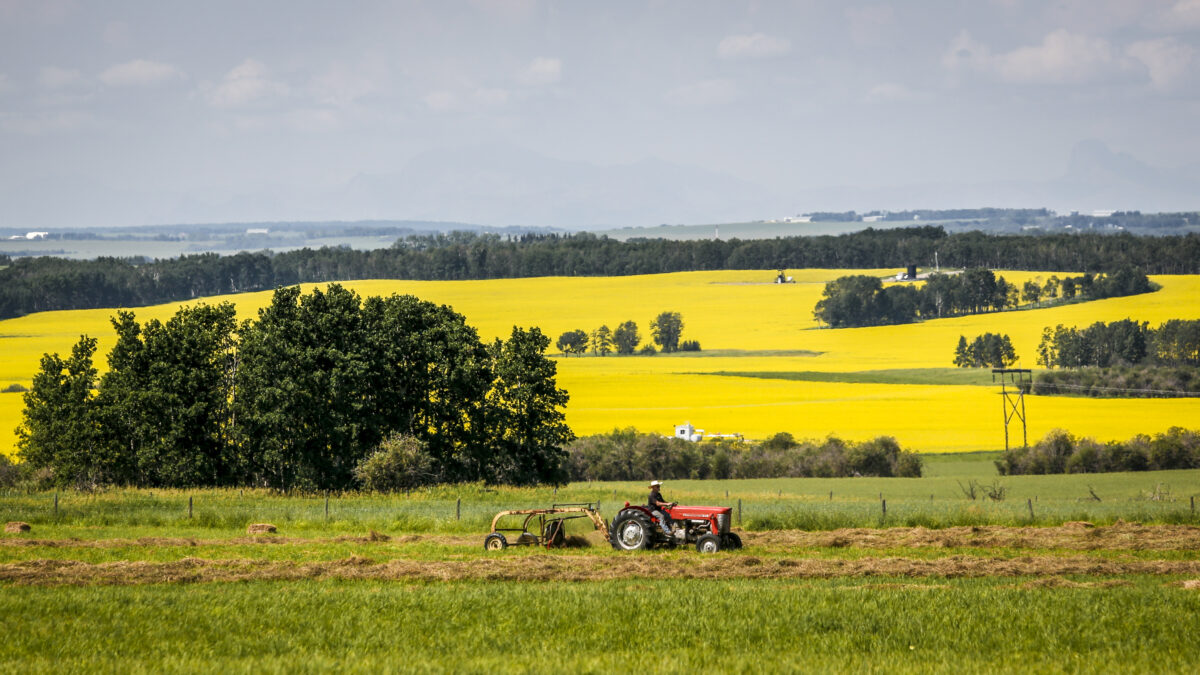
China imposed tariffs on Canadian agricultural products in March in an apparent retaliation to 100 percent levies Canada applied on Chinese EVs last year. Beijing’s measures included 100 percent duties on Canadian canola oil, oil cakes, and pea imports, as well as 25 percent levies on Canadian seafood and pork.
Five months later, in August this year, the regime imposed duties as high as 75.8 percent on Canadian canola.
Beijing’s August move came weeks after Ottawa levied additional 25 percent tariffs on Chinese steel aimed at protecting the domestic sector from trade diversion. The regime had previously said its latest tariffs stemmed from an “anti-dumping” investigation it launched last September following Canada’s decision last August to impose 100 percent tariffs on Chinese EVs and 25 percent tariffs on Chinese aluminum and steel starting October 2024.
Ottawa said at the time that its decision aligned with that of the United States, which had imposed similar duties months earlier. Citing “unfair Chinese competition,” the Liberal government under then-Prime Minister Justin Trudeau said Chinese producers “benefit from China’s intentional, state-directed policy of overcapacity and oversupply.”
In March of this year, then-Industry Minister François-Philippe Champagne echoed a similar sentiment, saying that Ottawa would keep its tariffs on China following Beijing’s retaliation.
“We would never be a back door to cheap Chinese vehicle[s] which are overly subsidized and where they don’t respect labour law and environmental laws,” he said.
Discontent
Meanwhile, the premiers from Manitoba and Saskatchewan say Canada should drop the tariffs on Chinese EVs as they face calls to support farmers in their provinces.
“Given the importance of canola and pork to Manitoba and the Prairie economy, I encourage your Government to pursue a negotiated resolution: eliminate the EV tariff in exchange for restoring full access for Canadian agricultural products to the Chinese market,” Manitoba Premier Wab Kinew wrote in a letter addressed to Prime Minister Mark Carney on Oct. 11.
Saskatchewan Premier Scott Moe expressed a similar view on X that same day, saying it is “a clear signal of how Ottawa can act this week,” while noting that federal Foreign Affairs Minister Anita Anand will be in China “over the next few days.”
However, national auto associations said Canada shouldn’t abandon national unity.
Brian Kingston, president and CEO of the Canadian Vehicle Manufacturers’ Association, said it is “reckless” of Moe “to even suggest” that Ottawa remove the tariffs on Chinese EVs, and that the country will be in a better position if it sticks with its southern neighbour.
“Caving to China puts the entire Canadian economy at risk, not just the auto sector,” Kingston said on X less than two hours after Moe’s post. “We must remain aligned with the US, our largest trade and investment partner, on China.”
Flavio Volpe, president of the Automotive Parts Manufacturers’ Association, expressed his disappointment over Kinew’s letter, saying that the Manitoba premier is “also playing [Canadian] sectors off each other.”
Creating Divisions
During a press conference in May, Alberta Premier Danielle Smith said China is exploiting Canadian divisions by retaliating against Ottawa’s EV tariffs—measures largely intended to protect Eastern Canada-based industry—by slapping levies on canola and other Western-produced products.
“I can only interpret that as the Chinese understand the divisions in our country. They understand that if you’re going to retaliate and create maximum pressure, you do it by pitting one region against the other,” she said at the time, in response to a question by The Epoch Times about China’s strategy.
“The unfortunate consequence of that is that we now have a 100 percent tariff on vehicles nobody really wants in Canada—because I don’t think there’s a massive amount of demand for Chinese electric vehicles—to protect an electric vehicle industry in Canada that doesn’t yet exist because those investments haven’t been made,” she added.
“And the consequence of that is the Chinese retaliation has been against the products everybody does want, which is pork and canola.”
Carolina Avendano contributed to this report.
 Friends Read Free
Copy
Facebook
Tweet
Friends Read Free
Copy
Facebook
Tweet