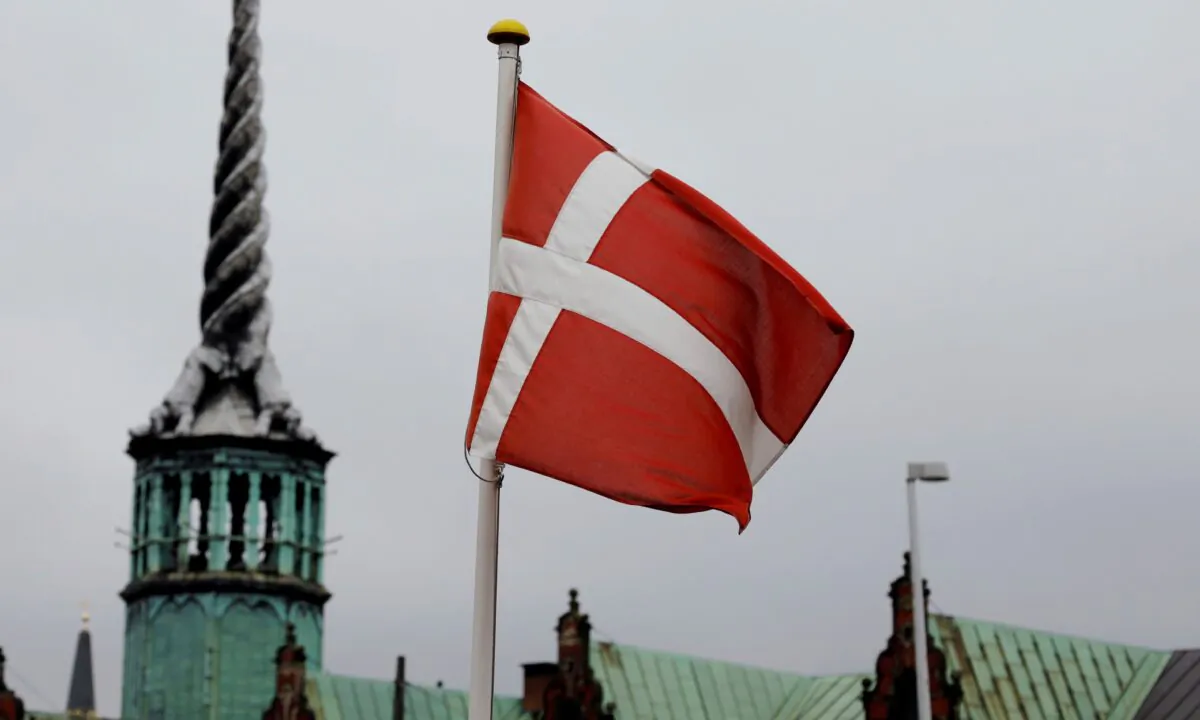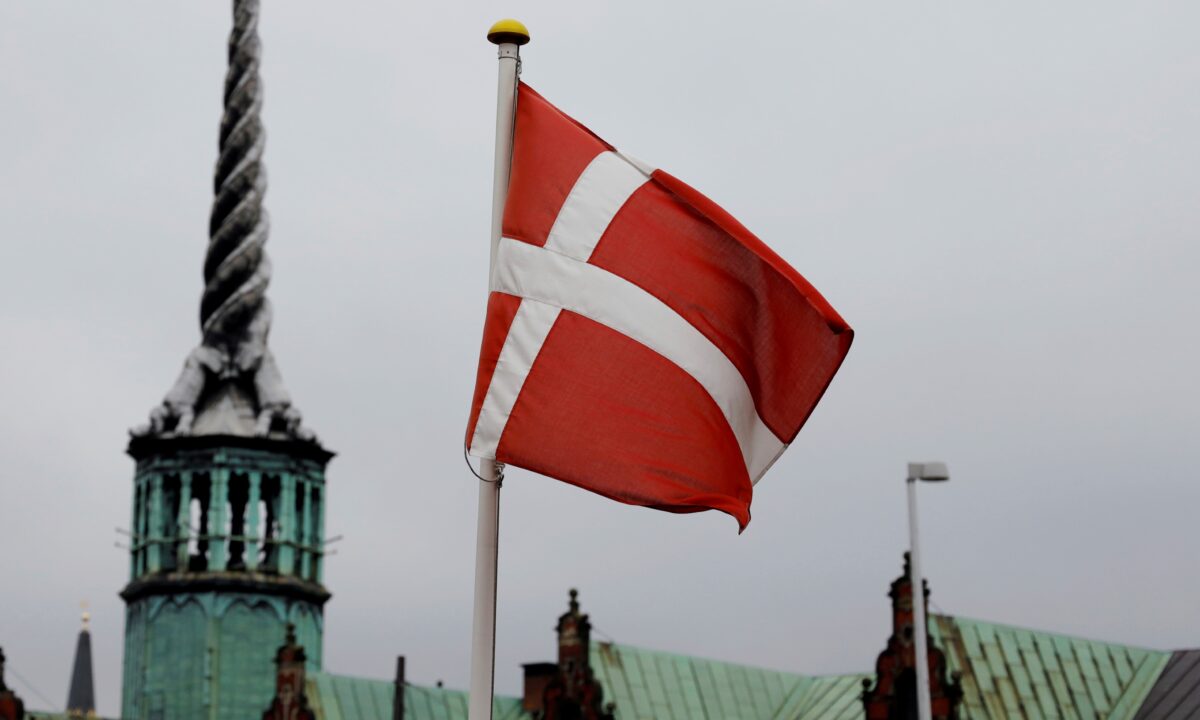

Danes headed to the ballot box on March 24 in a snap election called by the government, in a vote overshadowed by U.S. President Donald Trump’s continued interest in acquiring Greenland.
More than 4.3 million people are eligible to vote in the election for members of the new Folketing, the Danish Parliament, in Copenhagen, which usually sits for a four-year term.
Danish Prime Minister Mette Frederiksen, of the center-left Social Democrats, called the election in February, months before the October deadline, in what some have labeled an effort to capitalize on a spike in her popularity amid Trump’s rhetoric about the United States annexing the semi-autonomous Danish Arctic territory of Greenland.
Denmark has had continued possession of Greenland since 1814, with the island changing status from a colony to an integrated part of the Kingdom of Denmark in 1953.
Trump has said that Greenland should become part of the United States because of the threat from Russia and China in the Arctic region. He has accused Denmark of not doing enough to safeguard the island, which lies on a missile flight path between North America and Russia and on a less direct route to China.
The issue was at the forefront of Trans-Atlantic relations for a long while during the earlier part of this year, but has since apparently taken a back seat for the Trump administration amid the ongoing war in Iran.
However, the issue of Greenland’s status remains a key one in this election, with foreign policy ranking third among voters’ concerns, behind the economy and the environment, according to a March 12–13 poll by Danish outlet TV2.
With the economy foremost in Danes’ minds as they head to the polls, the most controversial issue has been Frederiksen’s proposal to introduce a wealth tax on the 20,000 richest people in the 6 million-strong nation, with the proceeds promised to fund better schools and some tax relief for the less well off.
The proposal is a 0.5 percent levy on fortunes above 25 million Danish krone ($3.87 million).
Denmark elects 179 members to the Folketing: 175 from Denmark, two from Greenland, and two from the Faroe Islands, with seats allocated by proportional representation to any party that receives at least 2 percent of the vote.
Danish citizens, including those in Greenland and the other Danish overseas territory, the Faroe Islands, are eligible to vote from the age of 18, with more than 80 percent typically voting by mail or in person. Voting ends at 8 p.m. on March 24.
After seats have been allocated, the selection of a prime minister begins through the “King’s Round”, where each political party advises the head of state, King Frederik, on their preferred choice to lead the government.
Based on this, the monarch appoints an individual to form a government or to lead negotiations toward selecting a prime minister. Once the statsminister (prime minister) and other ministers have agreed, the king formally appoints the government.
Ninety seats are required to form a majority government, but this is often not achieved due to the country’s proportional representation system and the number of parties.
Therefore, Denmark often forms minority cabinets, with the ruling party or parties forced to secure backing from opposition parties.
The current government is composed of Frederiksen’s Social Democrats, Venstre (Liberal Party), and the Moderates, with the largest opposition party being the right-wing Danish People’s Party.
The latest polling from the British polling organization YouGov puts the Social Democrats on course to remain the largest party, but losing some 14 seats in the Folketing, reducing their number from 50 to 36.
YouGov predicts the Green Left party is likely to end up as the second-largest party with 24 seats, a gain of nine, while the more left-wing Red-Green Alliance is projected to take 13 seats. The largest right-wing party looks set to be the Danish People’s Party, projected to win 17 seats, having dropped to 5 at the last election, with the Denmark Democrats on course to fall from 16 to 11 seats.
The Associated Press and Reuters contributed to this report.
 Friends Read Free
Copy
Facebook
Tweet
Friends Read Free
Copy
Facebook
Tweet