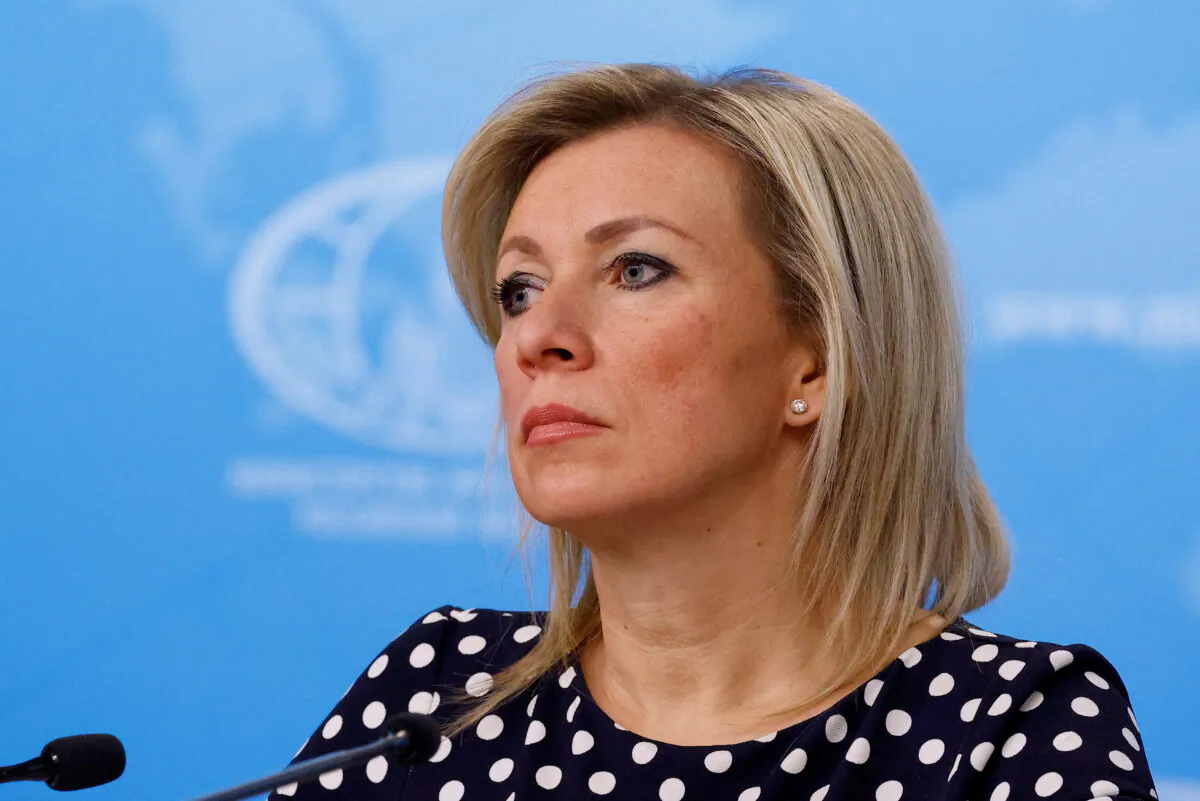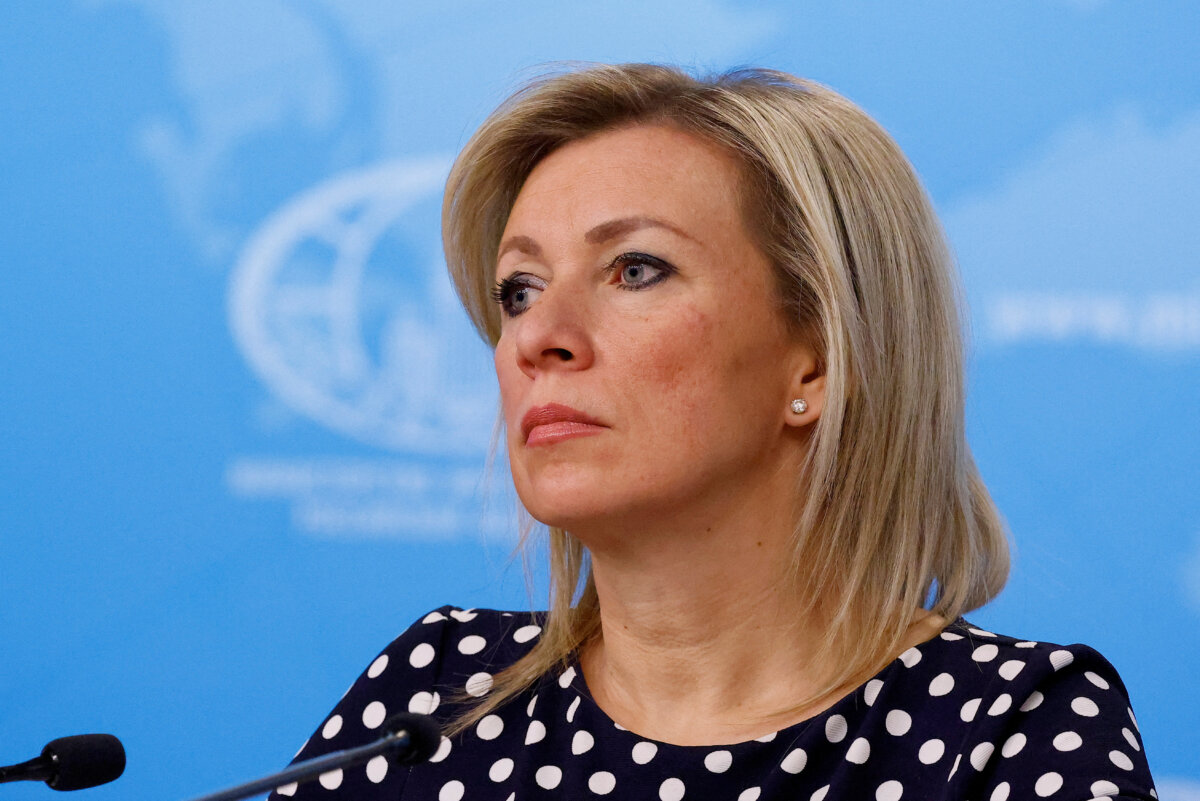

Deployment of British troops to Ukraine would prolong the war, not end it, Russian Foreign Ministry spokeswoman Maria Zakharova said on Feb. 26.
She made the remarks after British Defense Minister John Healey wrote in The Telegraph newspaper on the weekend that he wanted to deploy British troops to Ukraine in the event of a cease-fire, because, he said, that would mean the war is over.
“Contrary to Healey’s misconception, the deployment of British troops in Ukraine would mean not the end of the war, but a prolongation of the conflict and an increase in the risks of a large-scale military confrontation involving a much larger number of states,” Zakharova told reporters during a press briefing, according to state-run Russian news agency TASS.
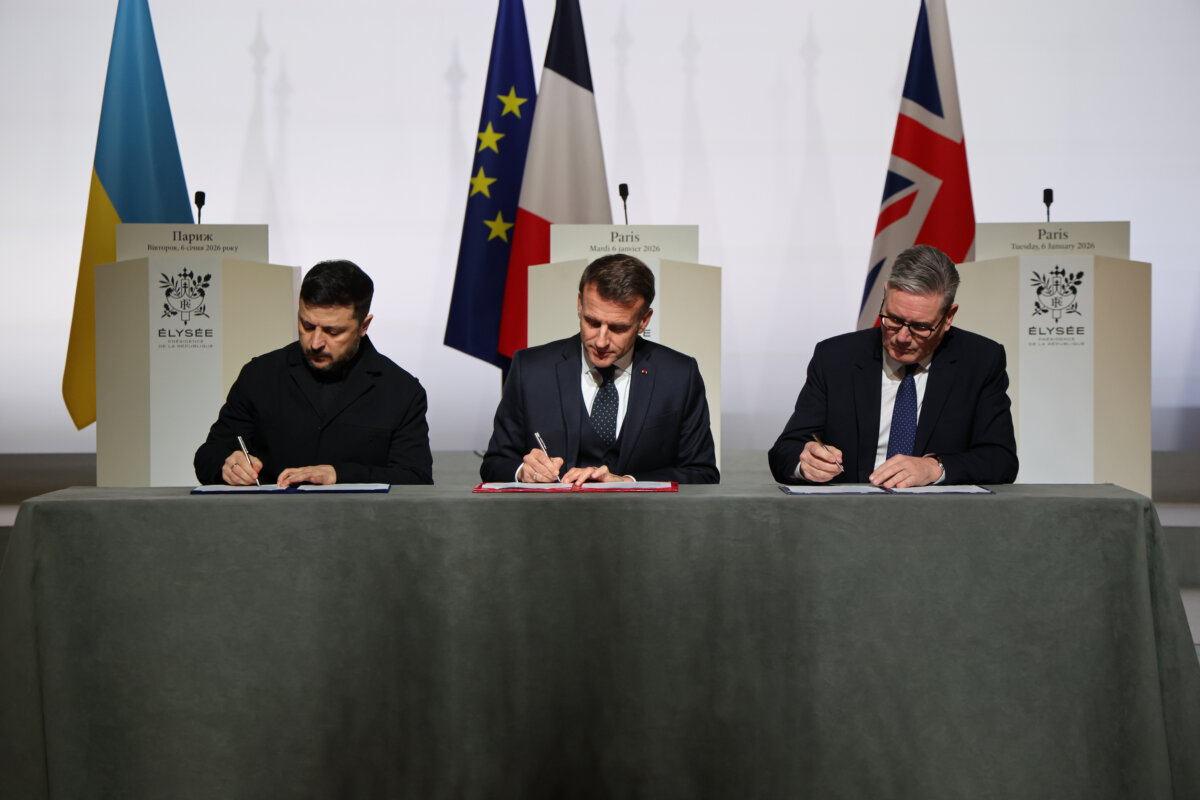
British Prime Minister Keir Starmer and French President Emmanuel Macron signed a letter of intent on Jan. 6 committing to send troops to Ukraine if a peace deal is reached.
Starmer said that after a cease-fire, London and Paris will “establish military hubs across Ukraine and build protected facilities for weapons and military equipment to support Ukraine’s defensive needs.”
Russia responded on Jan. 8 that it would view any Western troops deployed in Ukraine as legitimate targets.
Zakharova said in a statement that the deployment of military units or other Western infrastructure in Ukraine “will be qualified as foreign intervention that directly threatens the security of Russia and other European countries.”
“All such units and facilities will be considered as legitimate military targets for the Russian Armed Forces. Warnings to this effect have been repeatedly made at the highest level and remain relevant,” she said.
Deploying British Troops
Writing in The Telegraph on Feb. 21, Healey referred to the Jan. 6 declaration, adding that as part of the multinational force for Ukraine, “we already have a 70-person HQ up and running. With France and other allies, we will be ready to secure the peace.”
“I want to be the Defence Secretary who deploys British troops to Ukraine—because this will mean that this war is finally over. It will mean we have negotiated peace in Ukraine. And a secure Europe needs a strong, sovereign Ukraine,” he said.
On Feb. 25, Healey reiterated the UK’s commitment to putting British troops on the ground in Ukraine, telling MPs in the House of Commons, “The coalition of the willing’s multinational force for Ukraine will deploy when peace is agreed to secure Ukraine’s skies and seas and to regenerate its armed forces for the future.
“Both the British Army and the Royal Air Force are now conducting exercises in preparation, and I have already accelerated £200 million [$271 million] to ensure that our forces have the kit they need to deploy.”
Starmer told parliament on Jan. 7 that any deployment of British forces under the declaration would be subject to a vote by lawmakers.
On Feb. 24, Ukraine marked the fourth year of its war with Russia.
President Donald Trump has vowed to bring an end to the conflict, with U.S.-mediated negotiations between Russia and Ukraine still ongoing.
Three rounds have already taken place since the start of 2026, with the most recent on Feb. 17–18 in Geneva, Switzerland.
Suggesting a resolution may be approaching, Zelenskyy said in comments published by the Financial Times on Feb. 23 that he believes the war is “at the beginning of the end.”
“Ukraine needs a ceasefire—yesterday, today, tomorrow,” he said. “We don’t need a pause. We need the end of the war.”
Guy Birchall contributed to this report.
 Friends Read Free
Copy
Facebook
Tweet
Friends Read Free
Copy
Facebook
Tweet