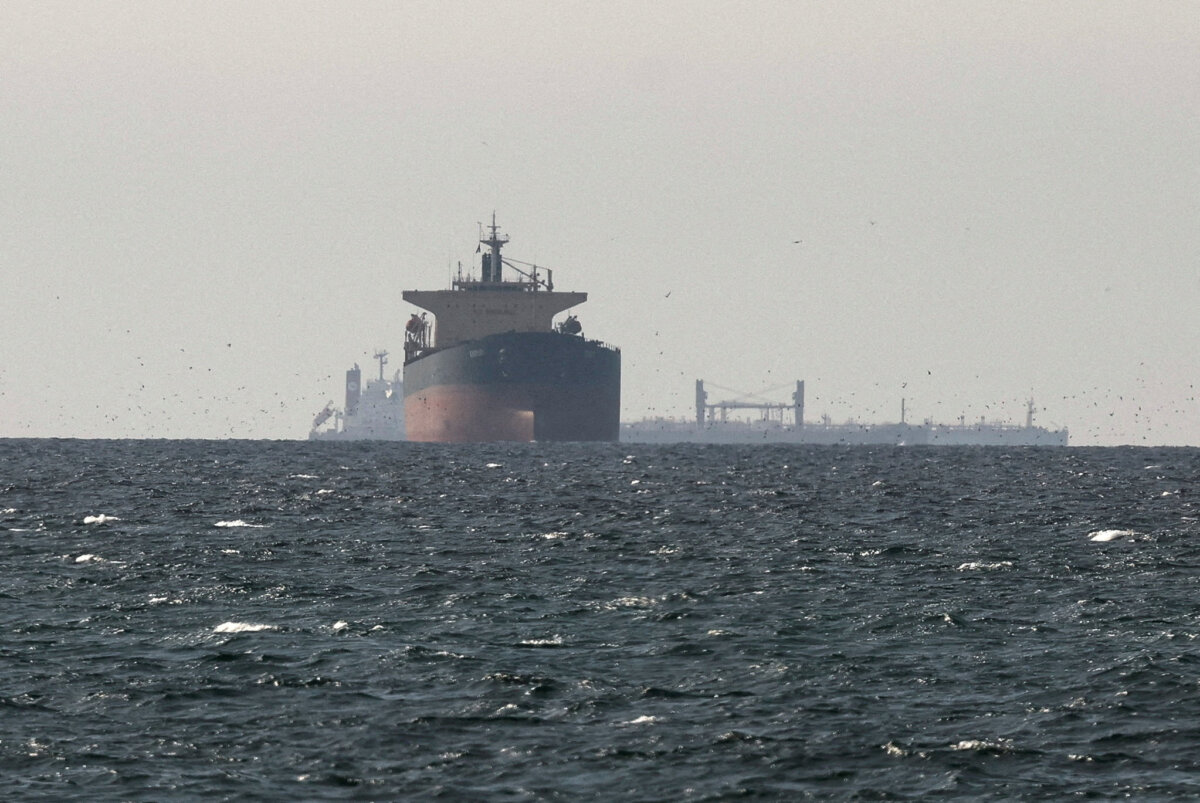

U.S. Energy Secretary Chris Wright has said the military will attempt to escort oil tankers through the Strait of Hormuz amid the conflict with Iran, as officials work on trying to prevent shortages from driving up prices.
“It’ll happen relatively soon, but it can’t happen now,” Wright told CNBC on March 12 when asked whether the U.S. Navy would help tankers pass through the key waterway.
“We’re simply not ready. All of our military assets right now are focused on destroying Iran’s offensive capabilities and the manufacturing industry that supplies their offensive capabilities.”
The Navy will likely be able to escort oil tankers by the end of March, Wright said, adding that the Pentagon is currently “working on” the issue.
On March 3, President Donald Trump previewed the idea, saying that the Navy would start “escorting tankers through the Strait of Hormuz, as soon as possible,” although he did not provide additional details at the time. He said that the military would make sure that energy can freely flow to the rest of the world.
Tanker traffic through the strait has been significantly diminished following the start of U.S.–Israeli strikes on Iran on Feb. 28, as the Iranian regime has warned that it would attempt to block ships from passing through the key waterway, which connects the Persian Gulf to the wider ocean. About 20 percent of the world’s petroleum passed through the strait in 2024, according to the U.S. Energy Information Administration.
Brent crude oil prices hit $119.50 per barrel on March 9, the highest since mid-2022, but the price dropped after Trump said later that day that the Iran war could be over soon.
Two fuel tankers in Iraqi waters were struck by explosive-laden Iranian boats, Iraqi security officials said early on March 12, and an Iraqi official told state media that its oil ports “have completely stopped operations.”
The war in the Middle East is causing the biggest oil-supply disruption in the history of global markets, the International Energy Agency said on March 12, a day after approving the release of a record volume of 400 million barrels of oil from strategic stockpiles.
Wright’s remarks come as Iran’s new leader, Mojtaba Khamenei, said on March 12 through state-run media that the regime would keep blocking the strait. He was named as the leader earlier this week after his father, Ali Khamenei, was killed in U.S.–Israeli strikes on Feb. 28.
“The will of the people is to continue effective defense, and their presence on the scene must be maintained. The Strait of Hormuz must remain closed,” Khamenei said on March 12, according to state media outlet PressTV.
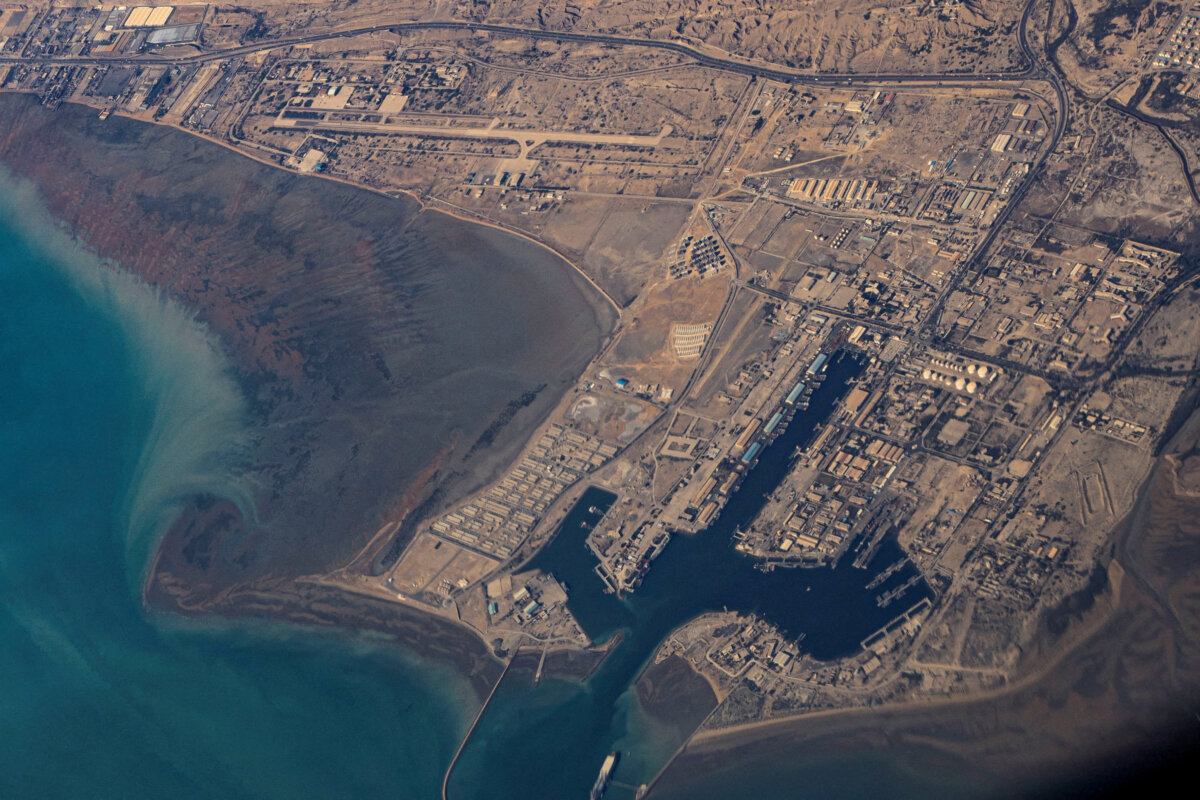
The U.S. Central Command said a day earlier that civilians are urged to “immediately” stay away from Iranian ports that are also used by the country’s military or navy, and it stated that dockworkers, administrators, and commercial vessel crews are advised to avoid Iranian military equipment and navy ships.
“Iranian naval forces have positioned military vessels and equipment within civilian ports serving commercial maritime traffic,” said the statement from the Central Command, the U.S. military force that operates in the Middle East.
Reuters contributed to this report.
 Friends Read Free
Copy
Facebook
Tweet
Friends Read Free
Copy
Facebook
Tweet