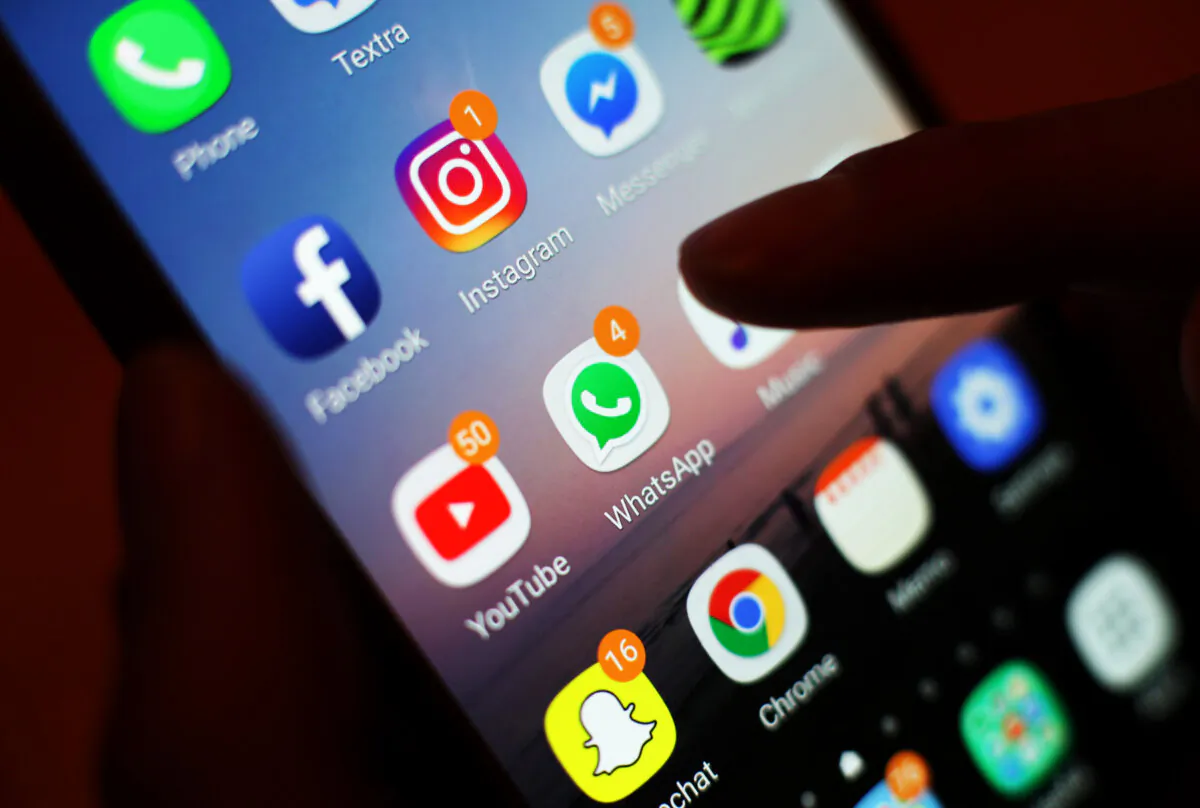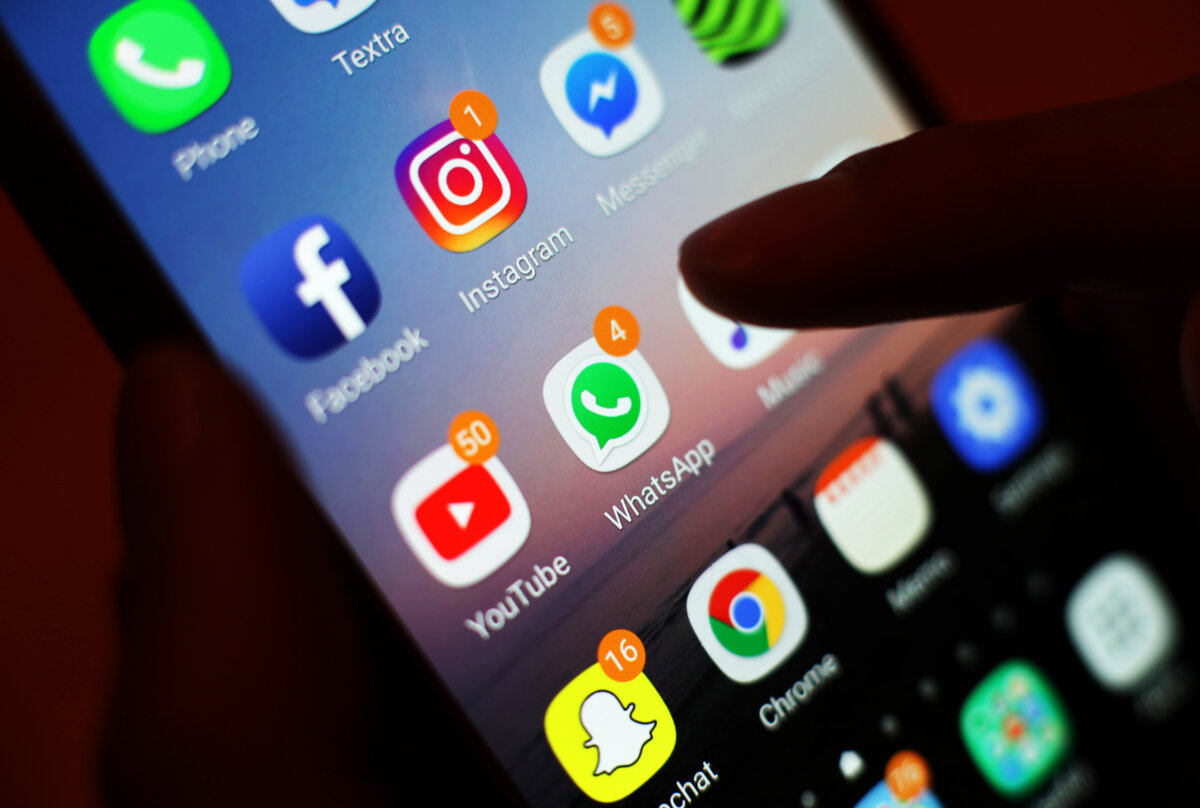

The European Commission on April 28 said Meta may be violating the bloc’s Digital Services Act by failing to adequately prevent children under 13 from accessing Facebook and Instagram.
The commission said that Meta’s systems for protecting minors online were ineffective, despite the company’s minimum age requirement of 13.
The case builds on a nearly two-year-long probe. The commission opened it on May 16, 2024, to investigate whether Meta complies with the Digital Services Act (DSA), which requires Big Tech to do more to tackle illegal and harmful content on their platform.
Children can still create accounts by entering false birth dates, and reporting tools for underage users often fail to trigger effective enforcement, EU officials said.
The European Commission said Meta’s risk assessments were incomplete and overlooked evidence that about 10 to 12 percent of children under 13 use Instagram or Facebook.
Officials also said that Meta did not fully consider research showing that younger children face risks such as cyberbullying, grooming, and inappropriate content.
“Meta’s own general conditions indicate their services are not intended for minors under 13,” said Henna Virkkunen, European Commission executive vice president for tech sovereignty, security, and democracy. “Yet, our preliminary findings show that Instagram and Facebook are doing very little to prevent children below this age from accessing their services.”
She also said that the DSA requires platforms to enforce their own rules.
“Terms and conditions should not be mere written statements, but rather the basis for concrete action to protect users—including children,” Virkkunen said in a statement.
Meta Responds
Meta has in recent months promoted a series of youth safety initiatives, including Instagram Teen Accounts, which were first announced on Sept. 17, 2024, and expanded to Facebook and Messenger on April 8, 2025.
A Meta spokesperson told The Epoch Times on April 29 that the company disagrees with the European Commission’s preliminary findings.
“We’re clear that Instagram and Facebook are intended for people aged 13 and older, and we have measures in place to detect and remove accounts from anyone under that age,” the spokesperson said.
“We continue to invest in technologies to find and remove underage users and will have more to share next week about additional measures rolling out soon.
“Understanding age is an industry-wide challenge, which requires an industry-wide solution, and we will continue to engage constructively with the European Commission on this important issue.”
If confirmed, the EU’s findings could lead to a noncompliance ruling and fines of up to 6 percent of Meta’s global annual turnover under the DSA.
Age Verification
Earlier this month, EU officials announced a new age-verification app designed to protect children online. Virkkunen said on April 15 that the app was technically ready and would allow users to prove age without disclosing unnecessary personal data.
On April 28, she said the app was ready for EU countries to customize and roll out.
“It will allow everyone to keep browsing the Internet in full privacy, while ensuring that children do not have access to content that is not meant for them,” she said, according to a statement.
Virkkunen said the age verification solution “goes hand in hand” with the EU’s DSA enforcement, referring to the age-verification framework and the Meta case as interconnected parts of the same child-protection strategy.
The announcement comes amid a broader global push to regulate children’s access to social media.
Several countries—including Australia, France, Greece, Denmark, Spain, and Slovenia—have announced or implemented restrictions. Australia became the first to ban social media use for children under 16 in December 2025.
The EU also plans to set up an Age Verification Scheme that would establish criteria for approved providers and privacy standards.
 Friends Read Free
Copy
Facebook
Tweet
Friends Read Free
Copy
Facebook
Tweet