
European leaders will consider new collective ways to respond to Russian hybrid warfare, after warnings that Moscow could intensify non-conventional attacks against the West.
European Union defense ministers will discuss, during a meeting of the Foreign Affairs Council in Brussels on Sept. 28, creating a new emergency security protocol that any member of the bloc could trigger in instances in which it has been subject to a hybrid attack.
Hybrid warfare falls short of an act of war and can include sabotage, drone incursions, and other non-overt tactics. The EU believes that Moscow is coordinating hybrid attacks against members to undermine European unity and weaken support for Ukraine.
Russia has denied that it is involved in committing any covert attacks against Europe and has instead accused NATO countries of falsely blaming Moscow in order to increase tensions.
Addressing reporters ahead of the Foreign Affairs Council on Monday, EU High Representative for Foreign Affairs Kaja Kallas said that ministers will discuss a broader strategy for dealing with hybrid incidents.
“We will propose also the emergency [security] protocol,” Kallas said.
“So, everything that is under the threshold of armed aggression, how we can operate together with the European Commission, Member States, as well as the External Action Service. What are the tools that we can use on different levels? We will propose that, and we will also discuss that.”
Speaking to the Financial Times, Andrius Kubilius, the EU’s defense commissioner, said that Europe needs to be able to respond to hybrid threats.
“If we are facing hybrid warfare, we need to have hybrid defense,” Kubilius said. “That’s very clear. … We shall look at how to define what means we need to be ready to use.”
He also said that responses to hybrid attacks should be proportionate.
“Very simply, if we are facing painful hybrid threats or actions, our answer should be painful in a similar way,” he said.
European Security Council
The proposal for this emergency security protocol was initially made earlier this month during the State of the European Union address, alongside plans for a European Security Council.
During her speech on Sept. 16, European Commission President Ursula von der Leyen said that the EU “needs its own counter-hybrid playbook.”
“We urgently need a consensus on how to respond to certain incidents. Those which fall below armed aggression but clearly threaten our national security. In other words, a mechanism to flank NATO’s ‘Article 4,’” she said.
“I believe it is time for Europe’s own Article 4—or an Emergency Security Protocol. When triggered by one Member State, all Member States would convene. To coordinate a European response. To deter further escalation. And to mitigate the impact.”
Article 5 is the clause of the North Atlantic Treaty that most people are familiar with. It is where NATO derives its pledge of mutual security guarantee. It has only been invoked once, after 9/11.
Article 4, which von der Leyen referenced, requires NATO members to meet to discuss security concerns if they feel the security integrity of allies is threatened.
It effectively puts the issue on NATO’s agenda, but does not automatically lead to action or trigger Article 5.
Von der Leyen also discussed the formation of a European Security Council, though she did not elaborate on how such a body would operate or which nations would belong to it. Kubilius has said that the details of the proposal will likely become clear after the publication of the bloc’s Security Strategy.
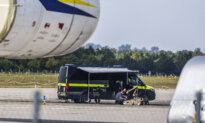
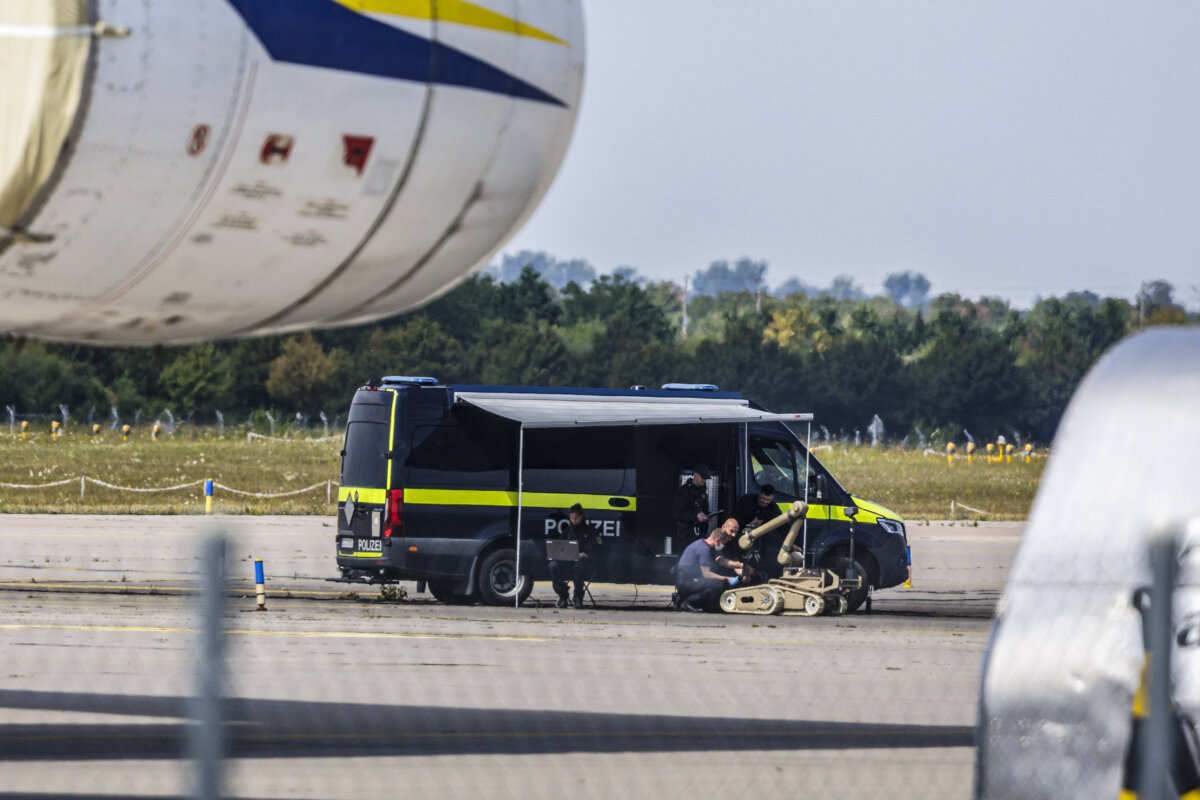
The European Commission chief’s proposals follow an increase in drone incursions into Europe, notably the attempted drone attack at Leipzig/Halle Airport in August, which Germany said was orchestrated by Russia and which Moscow denied.
Last week Danish intelligence and other European officials said that Russia is likely to escalate its hybrid warfare.
 Friends Read Free
Copy
Facebook
Tweet
Friends Read Free
Copy
Facebook
Tweet