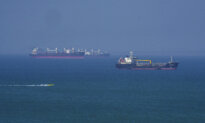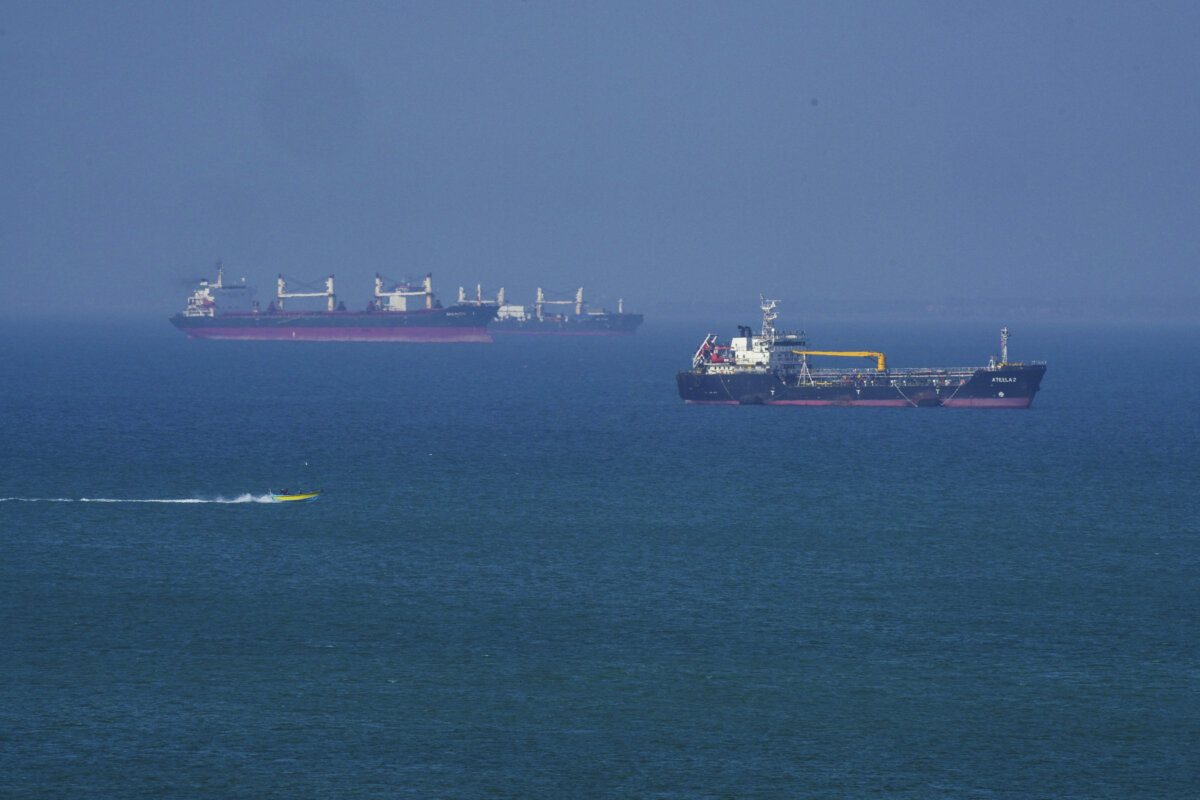

The European Union (EU) announced on June 8 that it had placed sanctions on a unit of Iran’s Islamic Revolutionary Guard Corps (IRGC) and two Iranian nationals for threatening the freedom of navigation of commercial ships by blocking the Strait of Hormuz.
In a statement, the European Council said it imposed measures against the Hormozgan Provincial Command, which belongs to the IRGC, after its navy “assumed control of the Strait of Hormuz and implemented a toll system whereby vessels are now required to provide identifying documentation, as well as cargo and destination information ultimately passed onto the Hormozgan Provincial Command.”
The command then “determines which ones are allowed to transit through the strait, sometimes after paying tolls,” the statement said, adding that the IRGC’s actions go against “international law and infringe upon established rights of both transit and innocent passage through international straits.”
The Iranian individuals sanctioned by the EU are Mohammad Akbarzadeh, the deputy commander for political affairs in the IRGC Navy, and Hamid Hosseini, a representative of an Iranian gas and oil union who “promotes the policy of submitting, undergoing assessment, and paying transit fees” to Tehran.
Shortly after the United States launched strikes against Iran on Feb. 28, Tehran moved to exert control over the Strait of Hormuz, through which about one-fifth of the world’s oil passes. In mid-April, the United States placed a naval blockade on Iranian ports that is ongoing amid negotiations to end hostilities between the United States and Iran.
“Iran’s actions are unacceptable. In response, member states have approved sanctions against Iranian entities and individuals involved in disrupting transit through the Strait of Hormuz,” Kaja Kallas, the EU’s foreign policy chief, said at a news conference in Cyprus.
Kallas said that the June 8 punitive measures are “the first time the EU has applied its new freedom of navigation regime.”
“When necessary, we will apply it again,” Kallas said.
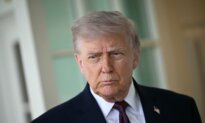
Aside from the EU, the White House has said that Iran’s attempts to impose a toll system on the Strait of Hormuz are illegal and has demanded that Tehran reopen the strait as part of negotiations. U.S. President Donald Trump has said that Iran must end its nuclear program and hand over its highly enriched uranium, which he said is currently buried underneath rubble following U.S. airstrikes last year.
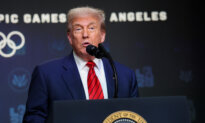
Trump said on June 8 that both Israel and Iran are looking to “do an immediate ceasefire” following a fresh round of attacks that Iran launched overnight.
“Both sides, Israel and Iran, are looking to do an immediate CEASEFIRE! Final negotiations on ‘Peace’ are proceeding, subject to ignorance or stupidity getting in its way,” Trump wrote in a post on Truth Social.
“The Blockade will remain in place, and in full force and effect, until a ‘Final Deal’ is reached. Things should move quickly.”
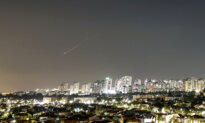
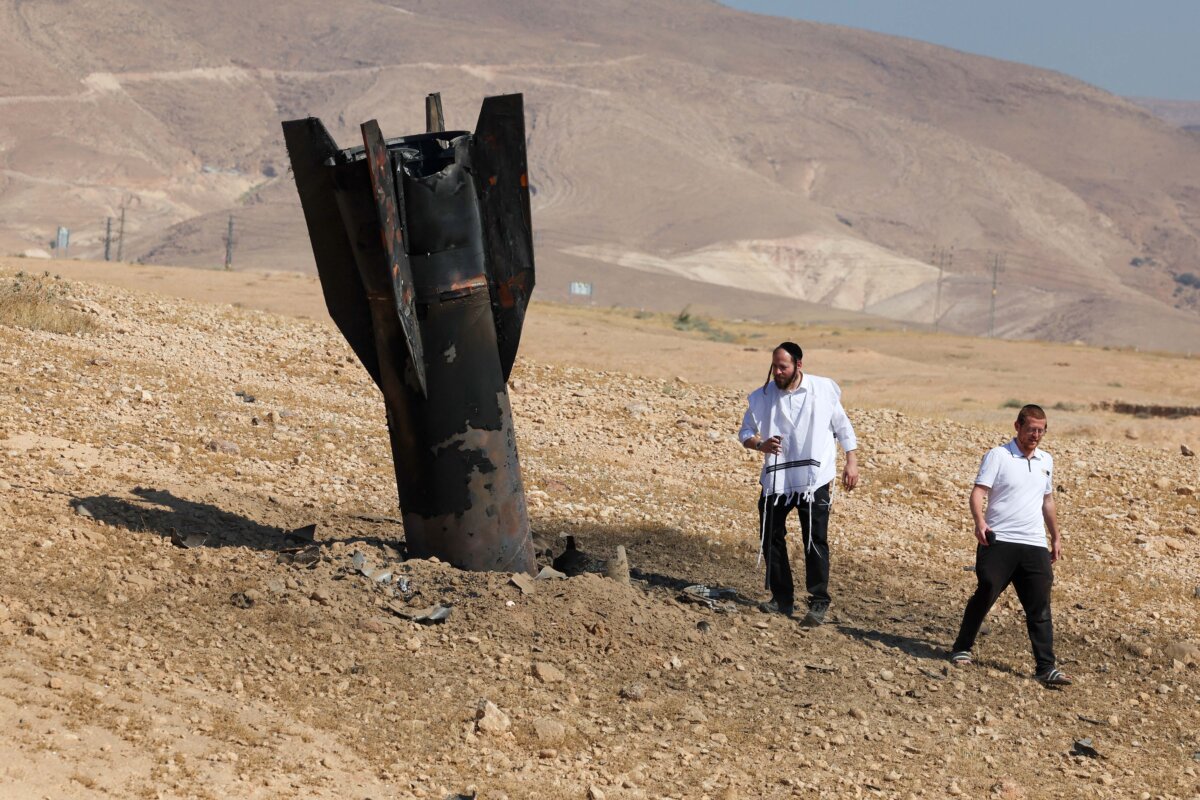
Tehran fired missiles toward Israel late on June 7, calling them retaliation for Israeli attacks on Hezbollah strongholds on the outskirts of Beirut.
Israel then struck a petrochemical plant in southwestern Iran that it said was used to produce ballistic missiles. The IRGC said it had retaliated with a strike aimed at a similar Israeli plant in the city of Haifa.
Reuters contributed to this report.
 Friends Read Free
Copy
Facebook
Tweet
Friends Read Free
Copy
Facebook
Tweet