
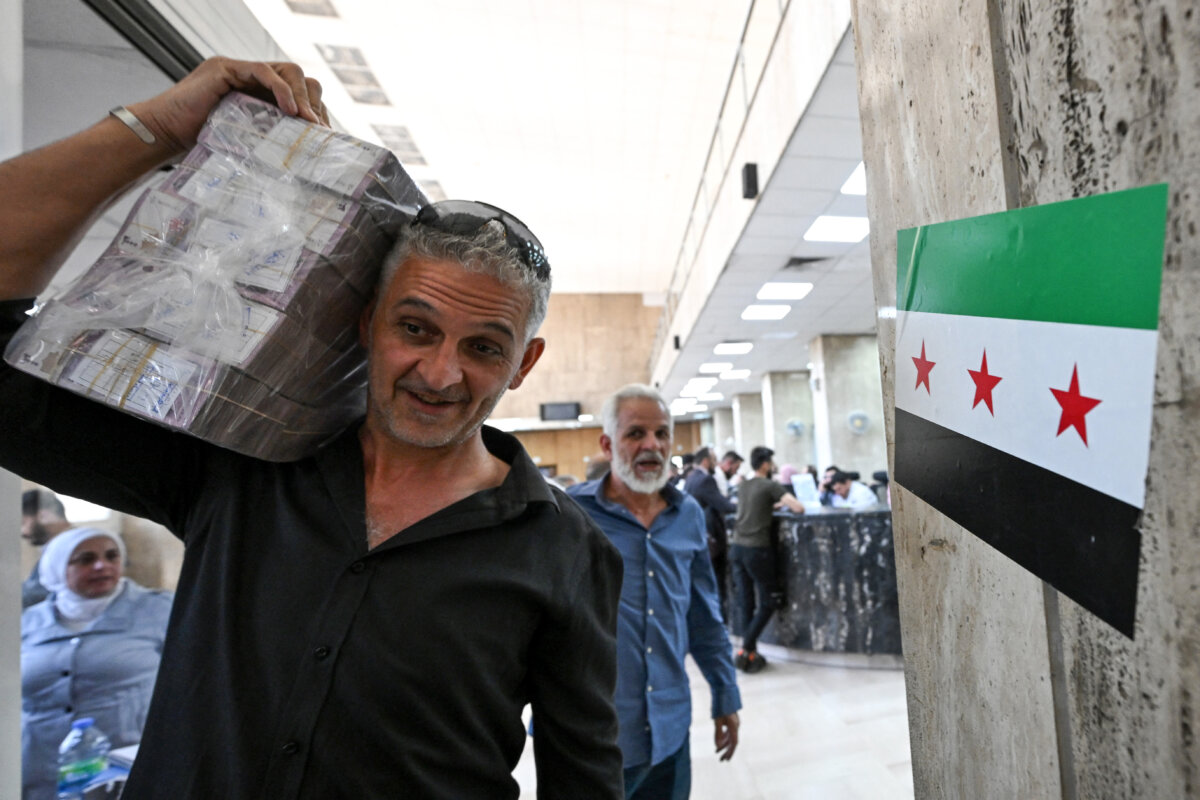
The European Union formally restored its cooperation agreement with Syria, marking a significant step in reestablishing economic and political ties with Damascus.
The Council of the European Union announced on May 11 the end to the partial suspension of the EU-Syria Cooperation Agreement, reversing measures first imposed in 2011 in response to human rights abuses during the Syrian civil war.
The agreement, originally concluded in 1977, governs trade and economic relations between the bloc and Syria.
The suspension introduced in 2011 targeted trade-related provisions on Syrian exports, including oil, petroleum products, gold, precious metals, and diamonds.
EU officials said those restrictions were imposed in response to “serious human rights violations by the regime of Bashar al-Assad.”
The council said the political conditions that justified the suspension no longer exist following Assad’s removal from power in December 2024 and subsequent EU decisions to lift most economic sanctions on Syria in May 2025.
“The decision sends a clear political signal of the EU’s commitment to re-engage with Syria and support its economic recovery,” the statement said.
The agreement will take effect after the European Commission (EC) formally notifies the Syrian authorities. The changes will be active at the start of the following month, according to the council.
EU and Syrian officials also held their first high-level political dialogue on May 11.
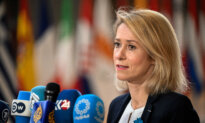
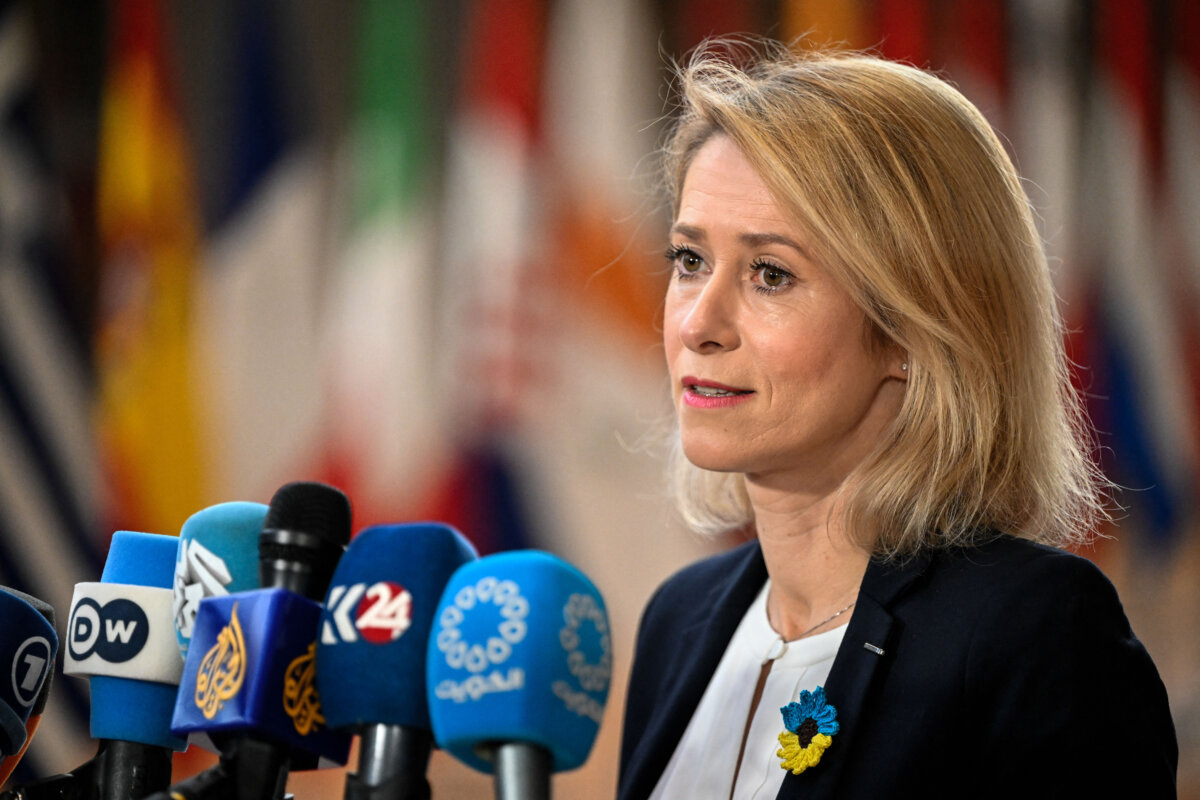
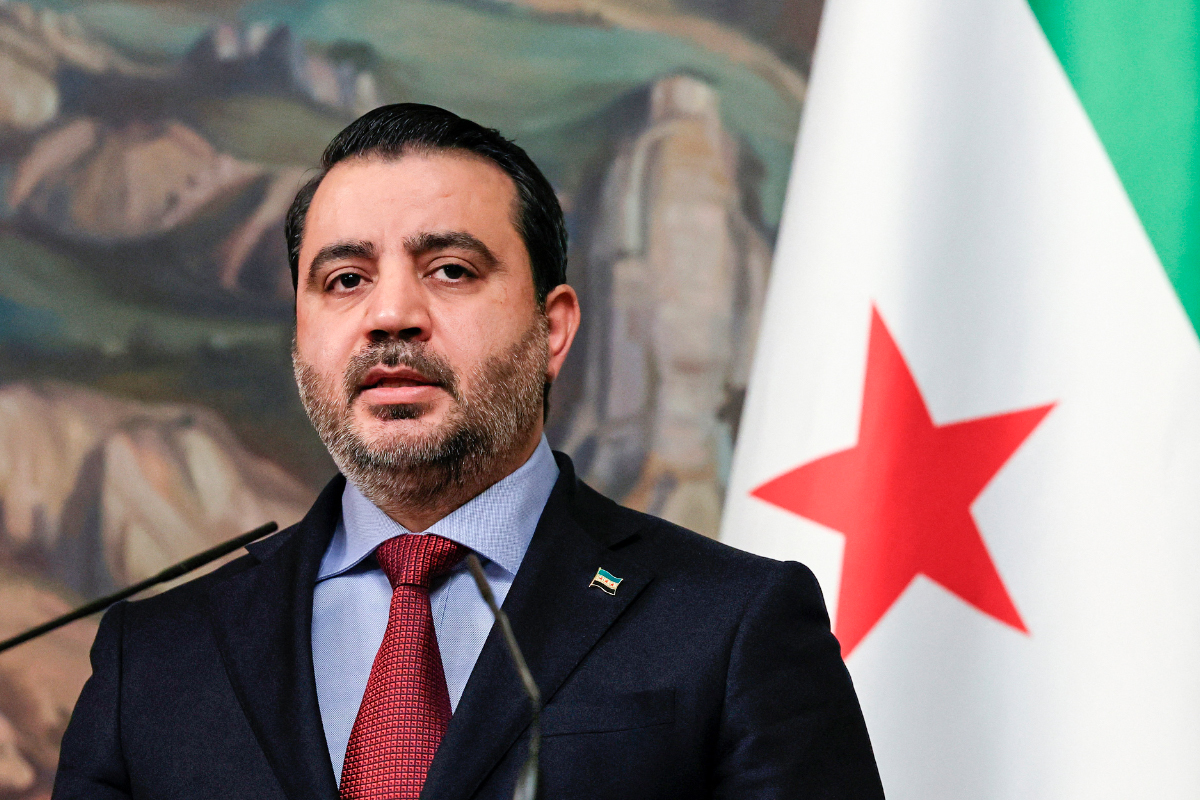
The meeting, chaired by EU foreign policy chief Kaja Kallas and Syrian Foreign Minister Asaad al-Shaibani, is part of the effort to normalize relations between the bloc and Damascus.
Addressing attendees, al-Shaibani said, “The Syrian people have endured destruction, displacement, imprisonment, and poverty on a tragic scale through fourteen years of war and sixty years of subjugation.”
He outlined key recovery priorities, including rebuilding energy, water, and transport infrastructure, restoring health care and education services, and boosting investment and housing.
“A clean and functioning economy cannot emerge, and the safe return of survivors cannot be achieved, without these essential services,” al-Shaibani said.
He also called for reforms to public institutions and improvements to Syria’s financial systems to ensure “transparency, accountability, and the high effectiveness of recovery efforts.”
Earlier in the day, al-Shaibani and European Commissioner for the Mediterranean Dubravka Šuica co-chaired the Syria Partnership Coordination Forum in Brussels.
The EC said it is preparing a 15 million euro ($17.6 million) technical assistance initiative to strengthen Syrian public institutions and coordinate international investment and expertise.
Šuica also announced 14 million euros ($16.4 million) in EU funding to rehabilitate Al-Rastan Hospital in Homs as part of a wider healthcare recovery initiative. The funding is part of a previously announced 175-million euro ($206.2 million) recovery package unveiled during Šuica’s June 2025 visit to Damascus.
Brussels is also preparing an additional 280-million euro ($329.9 million) package for 2026 and 2027.
“Today marks a turning point in EU-Syria relations. For over a decade, the EU and its member states have stood resolutely by the Syrian people, delivering more than 41 billion [euros] in critical assistance,” Šuica said.
“Now, it is time to move from crisis to socio-economic recovery and reconstruction.”
 Friends Read Free
Copy
Facebook
Tweet
Friends Read Free
Copy
Facebook
Tweet