
The European Union will find ways to pay out a promised 90 billion euro ($104.2 billion) loan to Ukraine despite Hungary’s resistance to the plan, European Commission (EC) President Ursula von der Leyen said on March 20. Unanimous support from all EU members is required for the measures to pass.
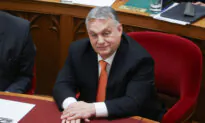
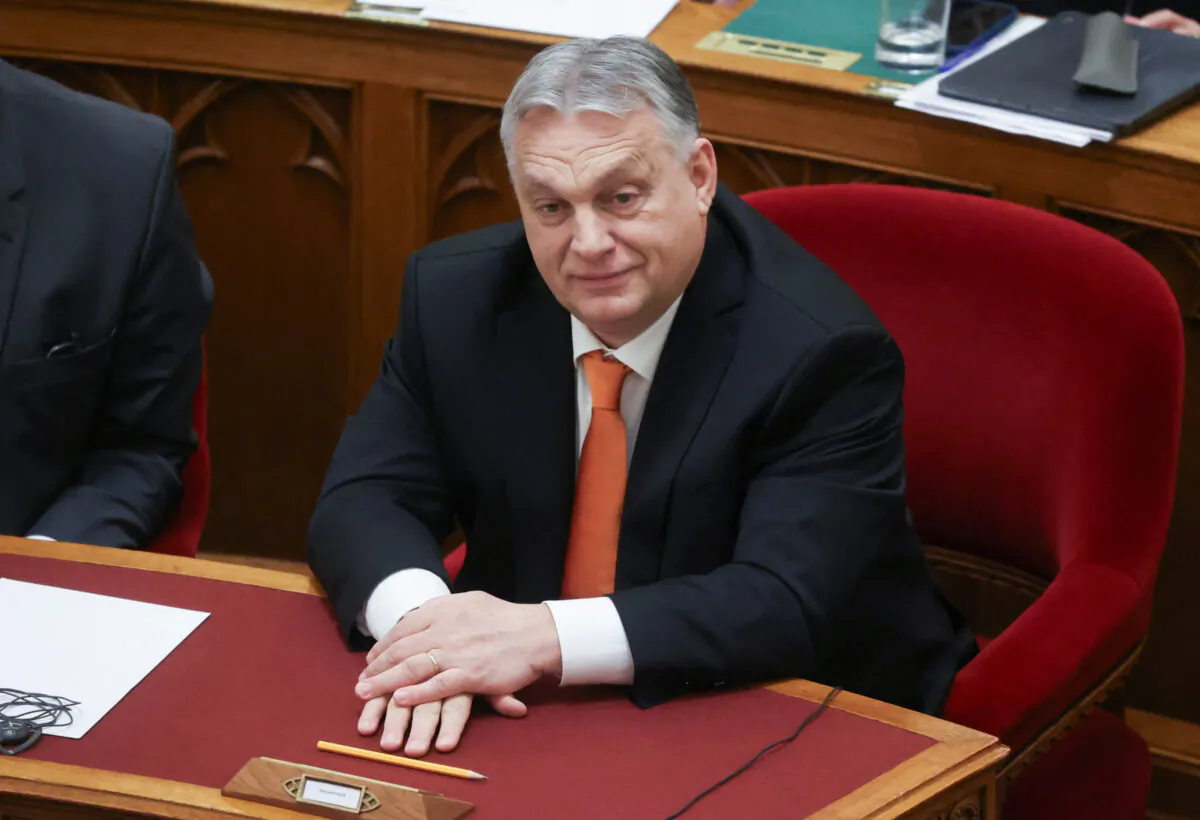
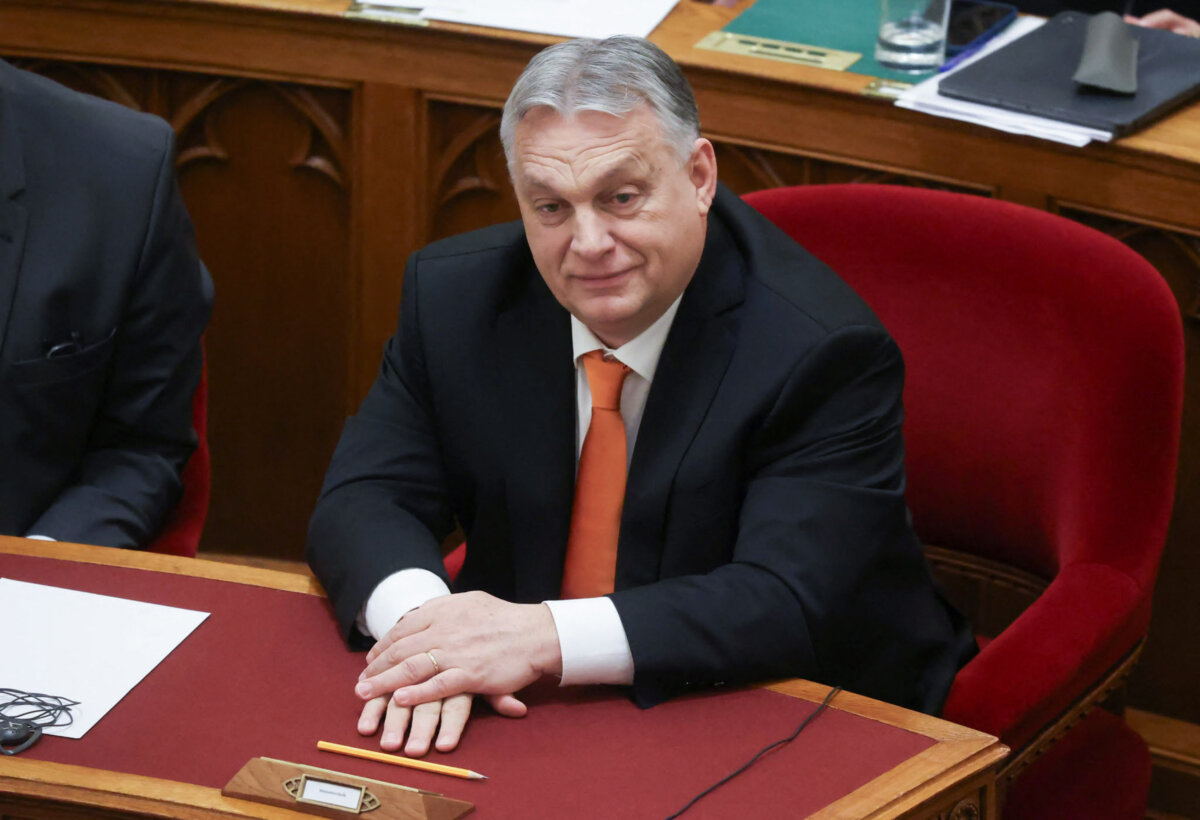
“We will deliver one way or the other. The loan remains blocked, because one leader is not honouring his word,” von der Leyen told reporters after a summit in Brussels, where EU leaders once again failed to convince Hungarian Prime Minister Viktor Orban to back down on his opposition to the bloc’s loan to Kyiv. Orban’s ire stems from the shutdown of the Druzhba pipeline.
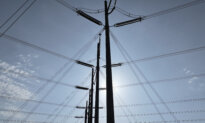
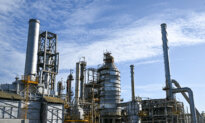
The Druzhba pipeline is a roughly 2,485-mile artery carrying Russian oil into the landlocked heart of Europe. Damage to the pipeline in Ukraine has disrupted crude oil supplies to Hungary and Slovakia.
The pipeline has become a source of friction between Kyiv and Budapest and Bratislava, both of which import Russian oil via the pipeline that travels through Ukraine.
Hungary and Slovakia have been cut off from supplies of Russian oil via the route since Jan. 27, when Kyiv said that pipeline equipment was damaged by a Russian strike in western Ukraine.
Budapest and Bratislava have said Kyiv is delaying the resumption of oil flows through the pipeline.
Ukraine has denied the allegations, saying it has been working to repair the damage as quickly as possible.
EU leaders had condemned Orban’s opposition as “unacceptable” during their meeting, EU Council President Antonio Costa said.
“A deal is a deal, and all the leaders need to honour their word. And no one can blackmail the European Council, no one can blackmail the European Union institutions, and we need to deliver on this,” Costa stated.
German Chancellor Friedrich Merz said the EC had been asked by leaders to find ways to disburse the loan, and called Orban’s veto an “act of gross disloyalty” that had “deeply angered” his European colleagues.
“I am firmly convinced that this will leave a deep mark,” Merz said.
“This is a gross breach of the loyalty between member states, and it damages the ability of the European Union to act and its reputation as a whole.”
Merz also suggested that there may be “domestic political reasons” for Orban’s objection, as Hungarians are set to head to the polls next month.
French President Emmanuel Macron said that the “unanimous agreement of the European Council last December on the €90 billion loan to Ukraine must be respected and implemented without delay, in accordance with the principles of loyal cooperation.”
“We must not compromise on something that has no precedent,” he continued. “For me, there is no Plan B because Plan A must be honoured. It is a matter of the Council’s credibility.”
“When heads of state and government reach a decision, it must be honoured,” Macron added.
Orban said he had faced a “tough debate” at the summit, but Hungary had stood its ground. “As long as [Ukrainian President Volodymyr] Zelenskyy does not lift the oil blockade, they will not receive any money from Brussels,” he said in a March 19 post on X.
“It’s time to wake up! Without cheap Russian energy, Europe cannot manage the oil crisis,” Orban added in another post on X made on March 20.
Slovakian Prime Minister Robert Fico also criticized Ukraine over the pipeline disruptions.
“The loan for Ukraine remains blocked, caused by Ukrainian President Zelenskyy’s unilateral decision to halt Russian oil supplies,” he said in a video posted to X on March 19.
“I reminded that Slovakia and Hungary have the right to receive Russian oil until the end of 2027, not only via the Druzhba pipeline but also by sea.”
In a video address to EU leaders posted on X, Zelenskyy said the loan was “critical” for Ukraine. “It is a resource to protect lives,” he said.
Earlier this week, Ukraine accepted an EU offer of technical support to repair the pipeline.
Victoria Friedman contributed to this article.
 Friends Read Free
Copy
Facebook
Tweet
Friends Read Free
Copy
Facebook
Tweet