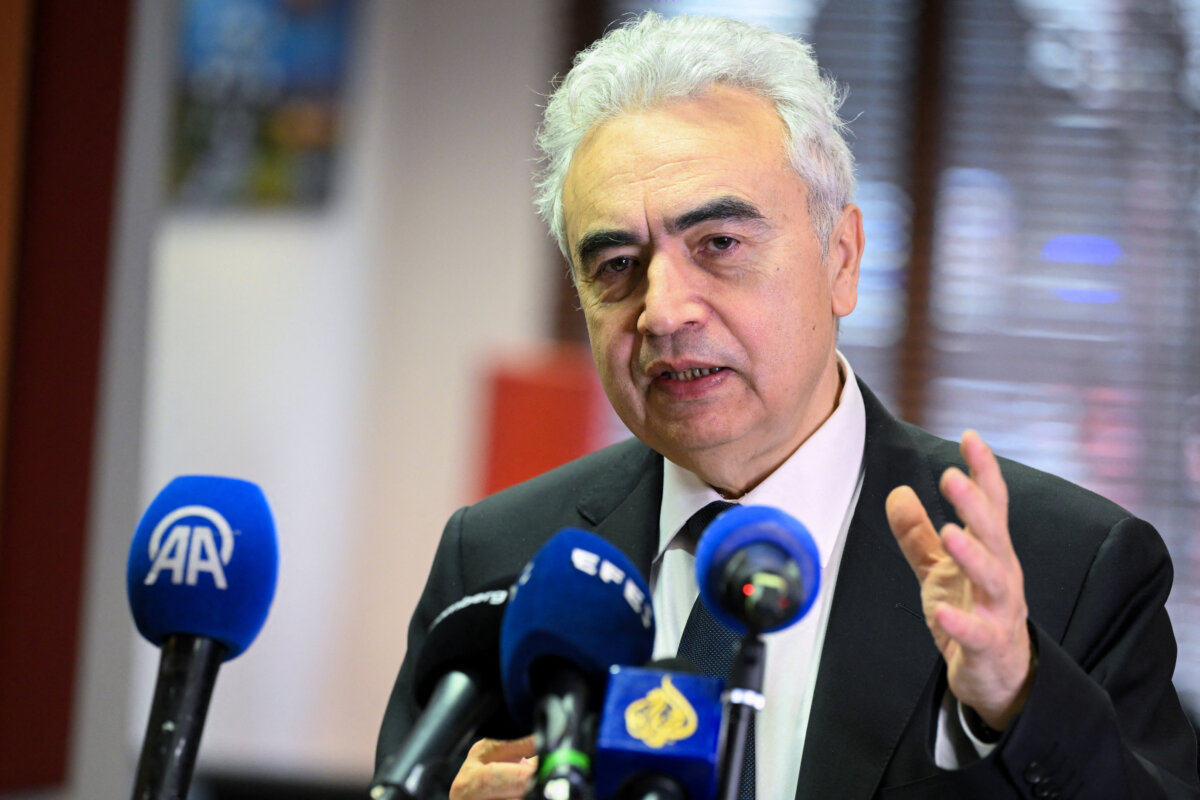

International Energy Agency (IEA) Executive Director Fatih Birol said on April 16 that Europe has “maybe 6 weeks or so [of] jet fuel left,” due to supply issues caused by the ongoing U.S.–Israeli war with Iran.
Briol warned that flight cancellations could occur soon if oil flows remain stymied by the restrictions in the Strait of Hormuz, through which a fifth of the world’s oil passes.
If the Strait of Hormuz isn’t reopened, he said that for Europe, “I can tell you soon we will hear the news that some of the flights from city A to city B might be canceled as a result of lack of jet fuel.”
He said the impact of the war will be “higher petrol (gasoline) prices, higher gas prices, high electricity prices,” adding that the economic pain spawned by the war would hit some nations, with poorer countries in Asia, Africa, and Latin America feeling the pinch first, with it then moving on to Europe and the Americas.
Economic pain will be felt unevenly, and “the countries who will suffer the most will not be those whose voice are heard a lot. It will be mainly the developing countries. Poorer countries in Asia, in Africa and in Latin America,” said the Turkish economist and energy expert, who has led the IEA since 2015.
Birol also criticised the so-called “toll booth” system that Iran has applied to some ships, allowing them to travel through the strait for a fee, saying it risked setting a precedent that could be enforced in other key waterways.
“I would like to see that the oil flows unconditionally from the point A to point B,” he said.
Birol’s comments follow on from the IEA’s slashing its global oil supply and demand growth forecasts on April 14, saying both are now expected to fall from their 2025 levels as the war in the Middle East disrupts oil flows.
The Paris-based body said it now envisions global oil demand falling by 80,000 barrels per day (bpd) this year, compared with a projected year-on-year rise of 640,000 bpd in its March monthly report.
“Demand destruction will spread as scarcity and higher prices persist,” the IEA said in its April oil market report.
It added that the deepest cuts in oil consumption have come from the Middle East and Asia-Pacific so far.
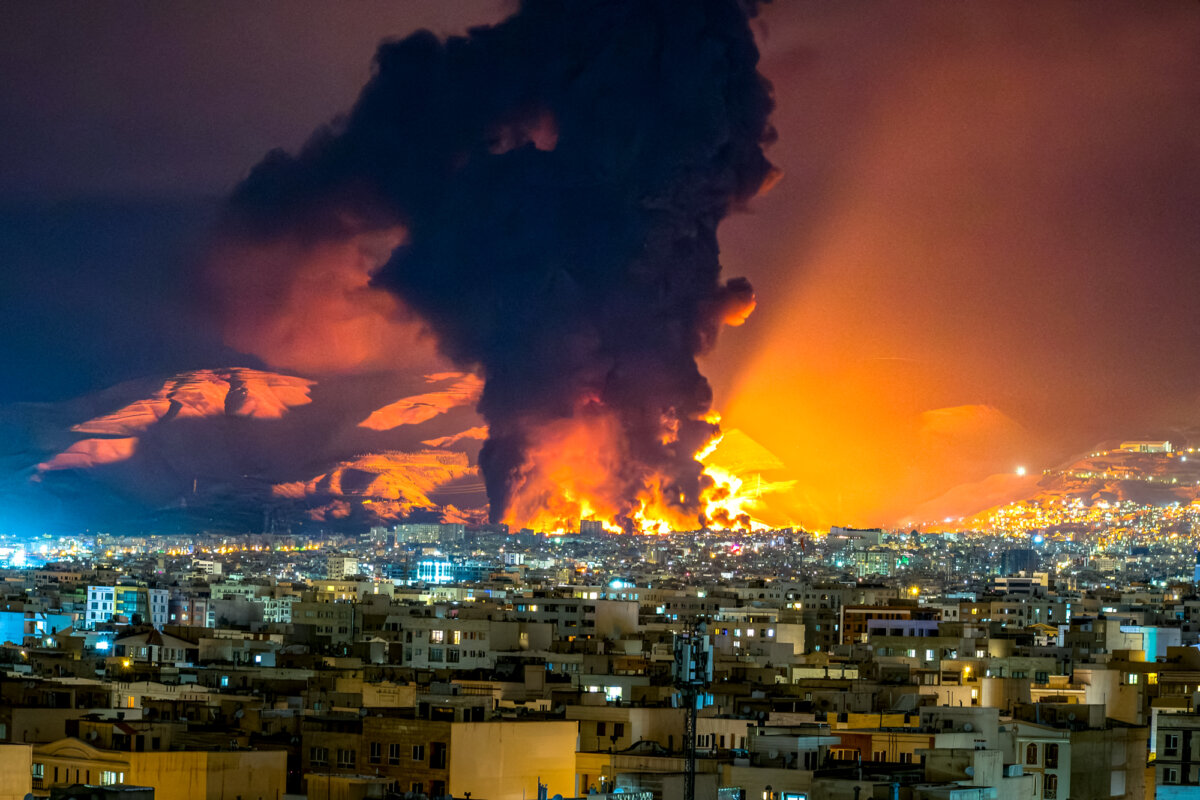
The IEA also predicts global oil supply to plummet by 1.5 million bpd in the second quarter of this year. In March, it predicted that global oil supply would rise by 1.1 million bpd on average in 2026.
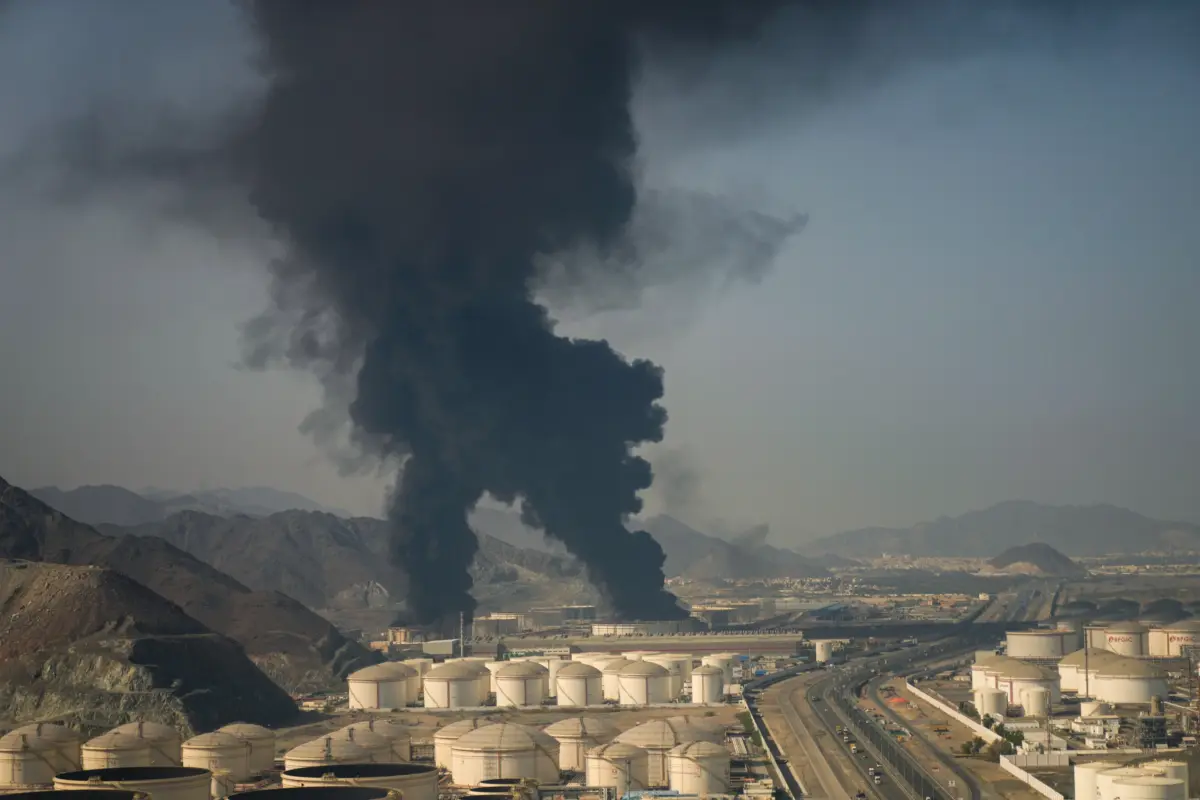
Attacks on energy infrastructure in the Middle East and the effective closure of the Strait of Hormuz have led to the largest oil supply disruption in history, the IEA said, with global oil supply plummeting by 10.1 million bpd in March.
The report added that oil prices posted their largest-ever monthly gain in March in the wake of what the IEA termed “the most severe oil supply shock in history.”
Pre-Existing European Problems
Though the war in Iran and the restrictions in the Strait of Hormuz have impacted the European jet fuel supply, a report last year by the International Air Transport Association (IATA) highlighted existing issues the continent was already facing in the area.
IATA said that the closure of European refineries as part of the EU and various state governments’ push to switch to renewable energy had displaced “a significant amount of supply that must be replaced through imports, a task that is becoming increasingly complex due to infrastructure limitations and rising logistical challenges.”
The transport association added that among transport sectors, “aviation is particularly vulnerable due to its heavy reliance on fossil-based jet fuel and the absence of scalable alternatives in the near term.”
The report said geopolitical tensions have “further magnified these challenges for airlines,” citing the added pressure from sanctions on Russian oil and gas, on which large swathes of the continent had previously relied.
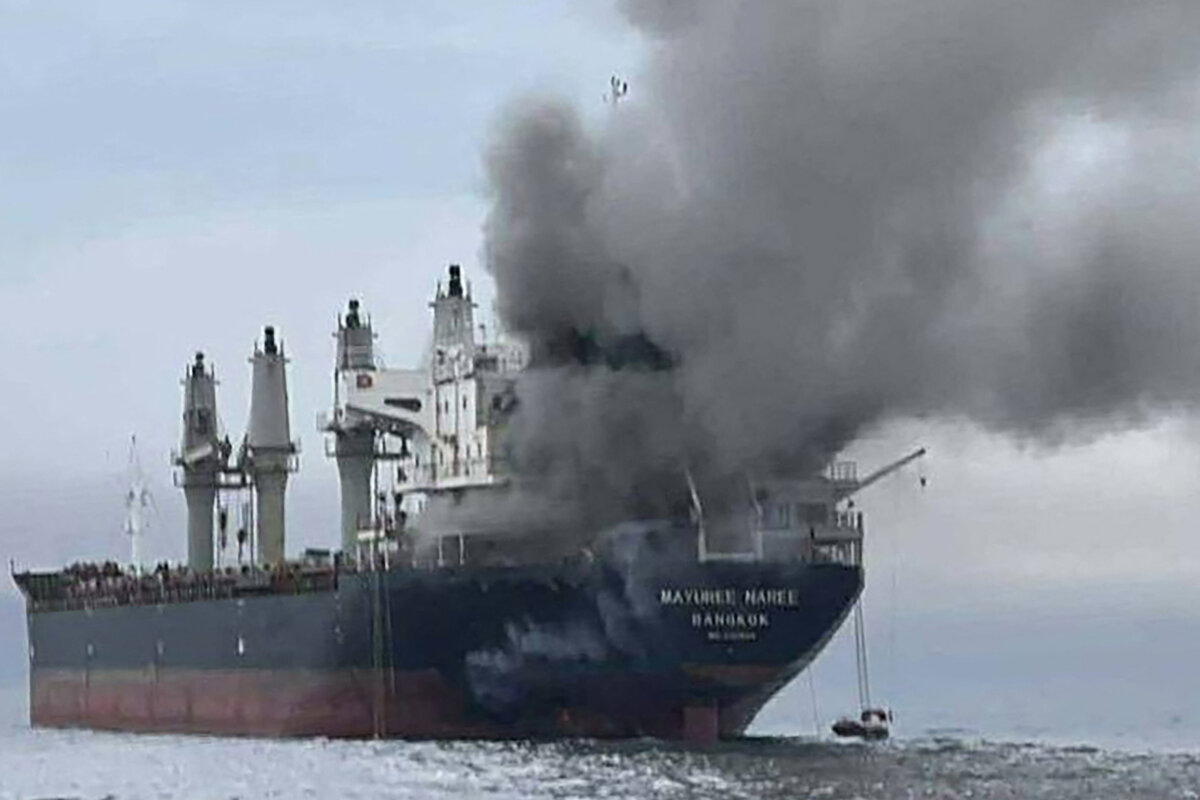
Alongside those sanctions, Ukrainian drone attacks on Russian oil infrastructure and tightened rules targeting third-country processors, such as China, India, and Turkey, have further tightened margins and raised procurement costs.
“While market participants may find ways to circumvent these restrictions, a short-term impact is unavoidable given the scale of Russian exports,” the IATA added.
Aviation expert Hans Jorgen Elneas said in an April 11 post on X that he didn’t agree with the notion that Europe was running out of jet fuel in a relatively short time.
“If Hormuz remains closed for a longer period and the supply of jet fuel does not arrive in sufficient quantities from elsewhere, there will be trouble,” he wrote. “Earliest in September, I think.”
Some European airlines have also issued warnings about the situation, with German national airline Lufthansa saying on April 16 that it will ground as many as 27 planes as of the coming weekend, along with a “reduction of the flight program on short-, medium-, and long-haul routes, as well as measures for early fleet modernization.”
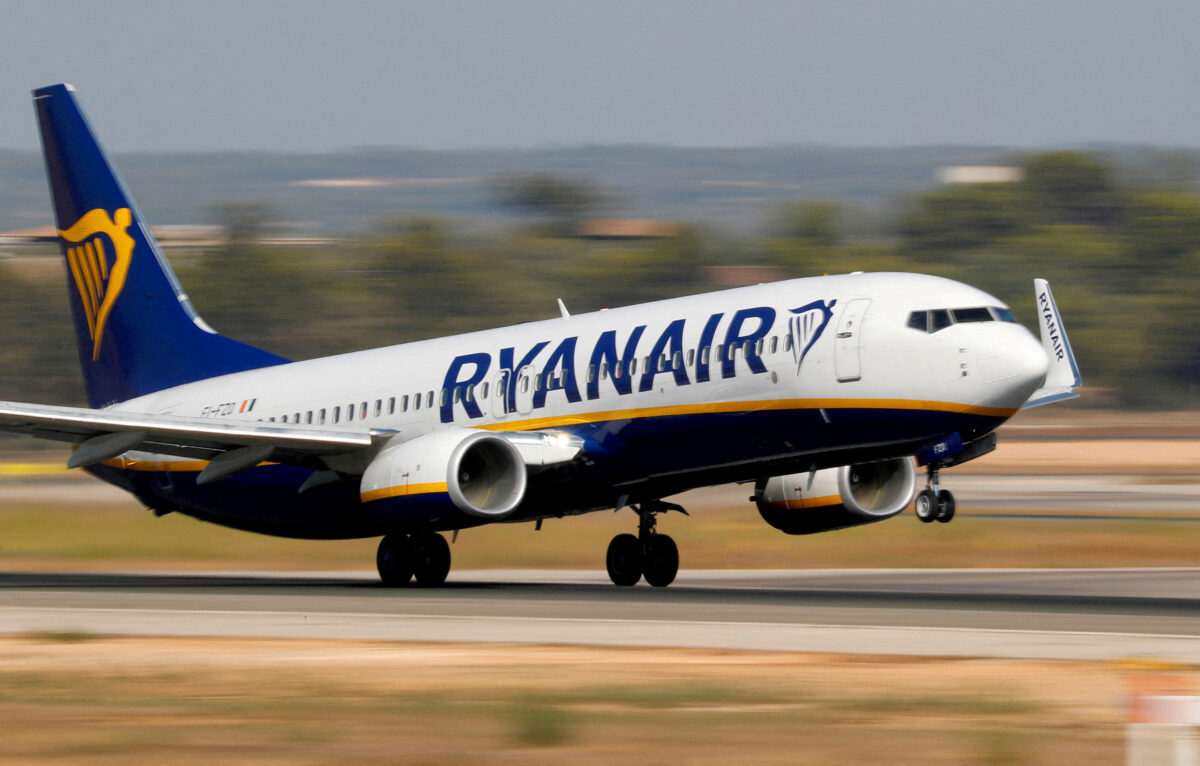
Irish airline Ryanair has also said its jet fuel supply is only guaranteed until mid-May.
“If the Iran war finishes soon, then supply will not be disrupted,” Ryanair spokeswoman Emer Igbokwe said, according to the Irish Examiner. “If the closure of the Hormuz Strait continues into May or June, then we cannot rule out risks to fuel supplies at some airports in Europe.”
Dutch airline KLM is cutting 160 flights to and from Amsterdam’s Schiphol airport next month, accounting for about 1 percent of its total European routes.
The airline cited “rising kerosene costs,” and said a limited number of flights are “no longer financially viable to operate.”
Travelers are already paying the consequences. Beyond flight cancellations, some carriers are increasing ticket fares and add-on fees.
Shye Gilad, a former airline captain who now teaches at Georgetown University’s business school, said volatility “is the real story.”
“Right now, the airlines are trying to make bets on what they think will happen in the future,” Gilad said. “When prices move quickly in both directions, it’s very hard for airlines to make predictions.”
Delta Air Lines CEO Ed Bastian told reporters last week, “At this level of fuel, it’s hard to call anything temporary.”
US Increases Pressure on Iran
U.S. President Donald Trump on April 15 said the United States will not agree to any deal with Iran unless Tehran abandons its nuclear ambitions, laying down a firm red line ahead of a possible second round of peace talks.
Tehran has consistently maintained that its nuclear ambitions are civilian and peaceful.
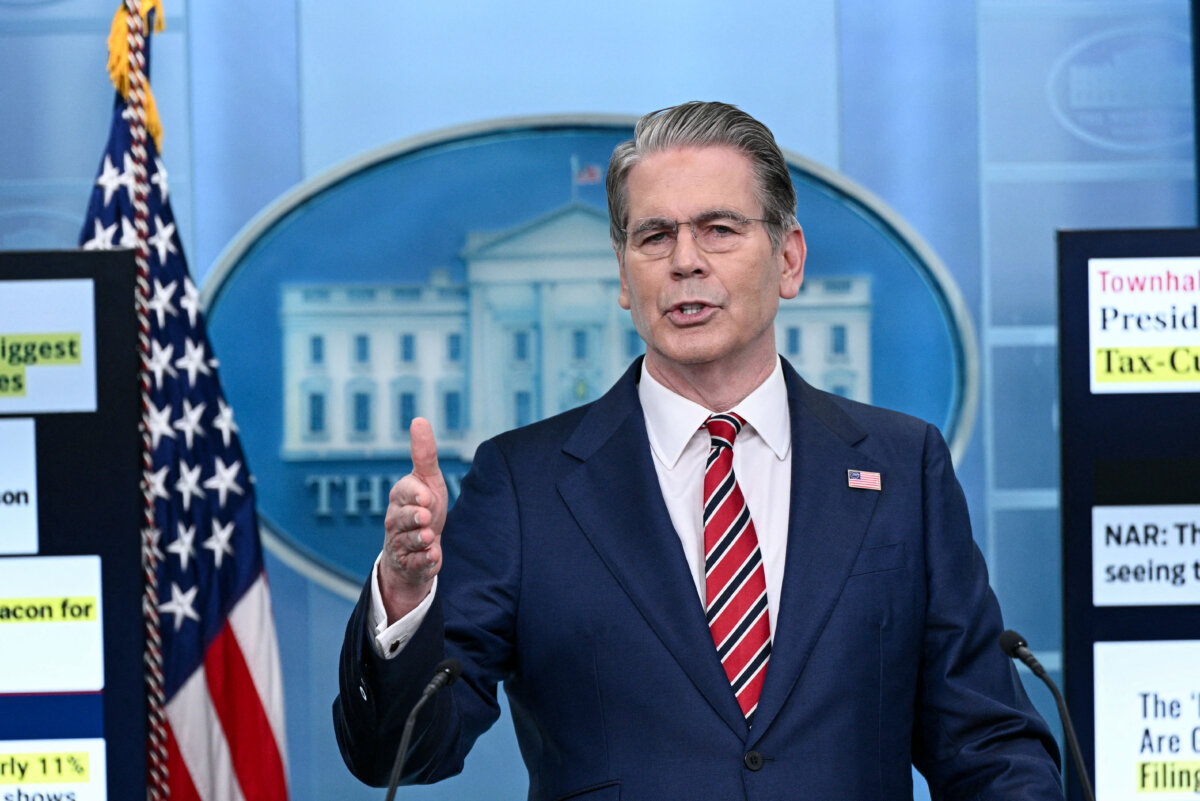
Later the same day, U.S. Treasury Secretary Scott Bessent said that the United States plans to target Iran economically with the “financial equivalent” of a bombing campaign, increasing the pressure on the Tehran regime.
“Yesterday, we announced Operation Economic Fury. … And the Iranians should know that this is going to be the financial equivalent of what we saw in the kinetic activities,” Bessent told reporters at a White House briefing, referring to the U.S. and Israeli campaign of airstrikes against Iran.
Bessent said the United States could also impose secondary sanctions on countries that purchase Iranian oil.
“We have told countries that if you are buying Iranian oil, that if Iranian money is sitting in your banks, we are now willing to apply secondary sanctions,” he said.
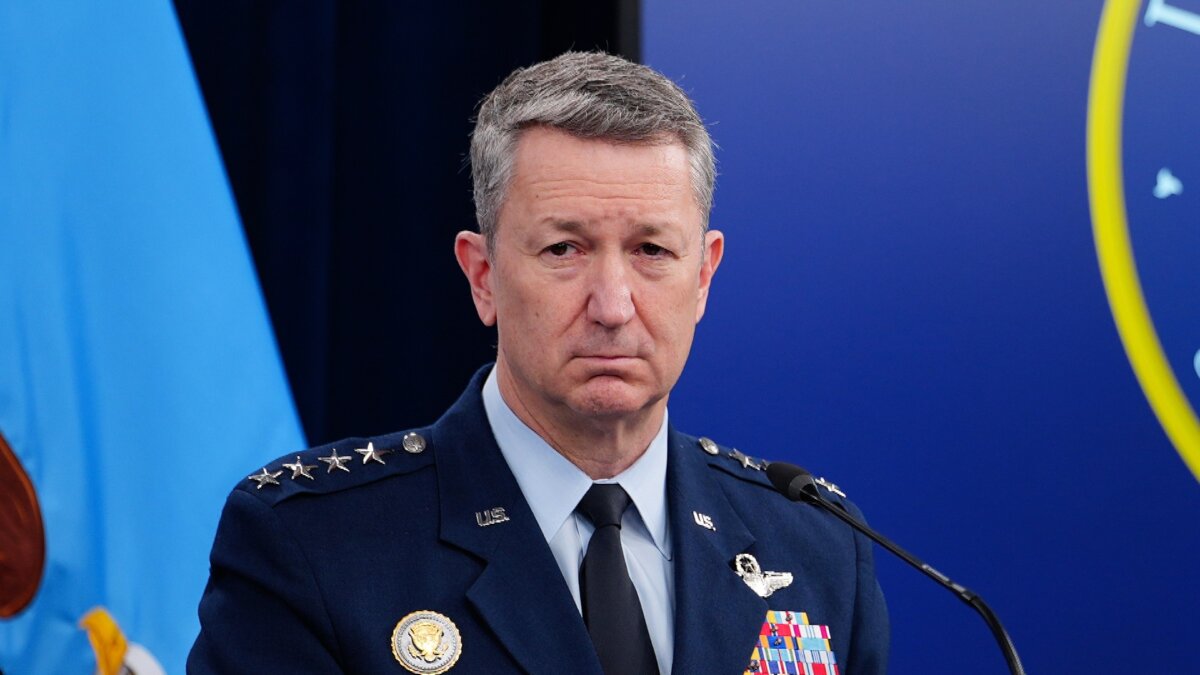
Gen. Dan Caine, chairman of the Joint Chiefs of Staff, said during an April 16 Pentagon news briefing that the U.S. blockade is being expanded worldwide and will include any ships carrying materials that support the Iranian regime.
“Let me be clear, this blockade applies to all ships, regardless of nationality, heading into or from Iranian ports,” Caine said. “The joint force through operations and activities in other areas of responsibility, like the Pacific Area of Responsibility … will pursue any Iranian-flagged vessel or any vessel attempting to provide material support to Iran.”
The Associated Press contributed to this report.
 Friends Read Free
Copy
Facebook
Tweet
Friends Read Free
Copy
Facebook
Tweet