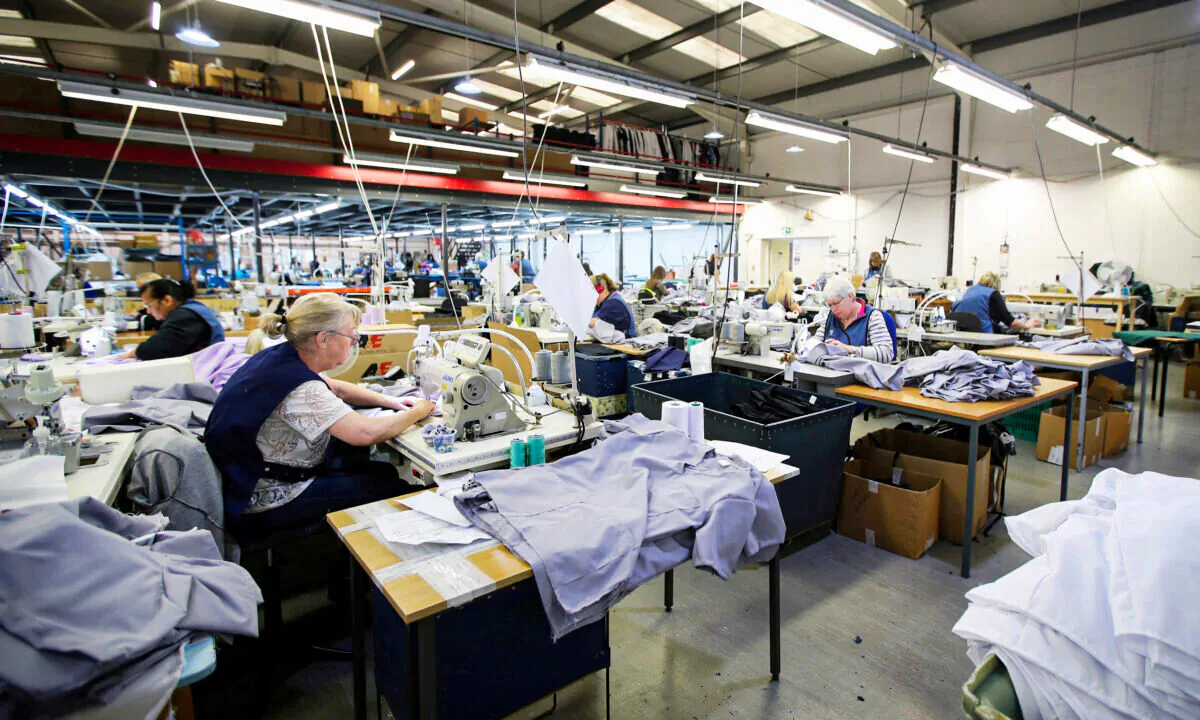

European manufacturers raised prices at the fastest pace in nearly four years in May as the war in the Middle East pushed up energy costs, disrupted shipping routes, and squeezed supply chains.
Manufacturing surveys released by S&P Global on June 1 showed that factories across the UK, Germany, France, and the eurozone overall reported higher costs for fuel, electricity, transportation, and raw materials.
Many companies said delays in global shipping routes, particularly around the Strait of Hormuz, were making it harder and more expensive to obtain supplies.
As a result, businesses increasingly passed those costs on to customers.
The reports suggest that the conflict is beginning to ripple through Europe’s industrial economy, creating new inflation pressures while slowing demand and weakening a manufacturing recovery that had only recently begun to take hold.
Higher Costs Hit UK Manufacturers
The UK’s manufacturing sector continued to expand in May, but companies faced growing cost pressures.
The S&P Global UK manufacturing purchasing managers’ index rose to 53.9 in May from 53.7 in April, its highest level in four years, indicating continued growth in factory activity.
Manufacturers raised prices at the fastest pace since July 2022 as the cost of fuel, energy, chemicals, metals, and other materials climbed sharply.
Many businesses said customers were rushing to place orders before prices increased further or shortages worsened.
Rob Dobson, director at S&P Global Market Intelligence, said the recent improvement may not last.
Dobson cautioned that much of the recent demand was being driven by businesses building inventories ahead of expected disruptions.
“This bounce will fade once customers have built up sufficient safety stocks,” he said.
“Cost inflation [is] rising to a near four-year high and pressure on supply chains [is] leading to material shortages and longer lead times.”
Companies also pointed to the Middle East conflict, tariffs, labor costs, and supply shortages as factors driving up expenses.
“Increased delivery times were linked to shipping delays, with particular focus on the impact of war in the Middle East and restrictions to passage through the Strait of Hormuz,” the report said.
Bank of England Gov. Andrew Bailey last week described the effect of the conflict as a “big negative supply shock to the world economy.”
Bailey said the war led to sharp oil and gas price spikes as transit through the Strait of Hormuz has been curtailed and critical infrastructure in the region has been damaged or destroyed.
Eurozone’s Factory Growth Slows
Manufacturing activity across the eurozone continued to grow in May, but momentum weakened as rising prices began affecting demand.
The eurozone manufacturing index slipped to 51.6 in May from 52.2 in April. Although the reading still indicated growth, it showed factories expanding at a slower pace than the previous month.
New orders stalled after a strong increase in April, while factory production grew at its slowest pace since January. At the same time, manufacturers reported the fastest increase in costs since May 2022.
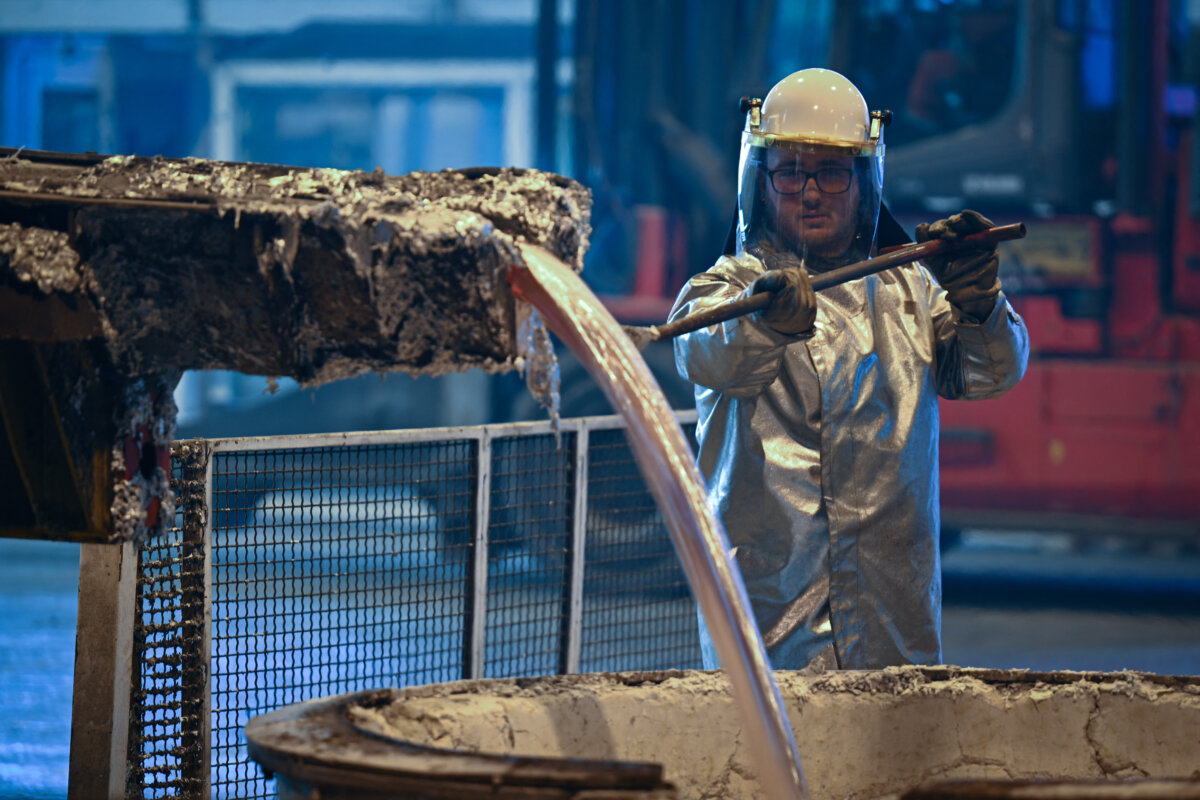
Chris Williamson, chief business economist at S&P Global Market Intelligence, said rising energy prices and supply disruptions were weighing on the sector.
“Although euro area manufacturers reported an expansion for a fourth successive month in May, the sector is showing signs of struggling under the weight of rising prices and supply disruptions emanating from the war in the Middle East,” Williamson said.
Factories increasingly passed those higher costs on to customers, he said, but demand was beginning to weaken as prices rose.
He said that in May, order books stalled after three successive monthly improvements.
Germany, France Hit Hard
German manufacturers reported their steepest cost increase since June 2022, driven largely by higher energy, fuel, and transportation prices. Many firms also cited shipping disruptions linked to tensions around the Strait of Hormuz.
Phil Smith, economics associate director at S&P Global Market Intelligence, said earlier gains had been supported by customers placing orders ahead of expected price increases.
“The true underlying health of demand appears to be showing itself, with new orders falling for the first time this year amid still-elevated levels of uncertainty and soaring prices,” he said.
France’s manufacturing sector returned to decline in May after a brief rebound in April.
Joe Hayes, principal economist at S&P Global Market Intelligence, said April’s improvement proved temporary.
“As expected, April’s expansion was fleeting,” Hayes said. “Front-loaded ordering has faded, replaced by falling new business, production cutbacks, and inventory reductions.”
Hayes said supply chains were still adjusting to disruptions caused by the conflict and the resulting energy price increases.
“More French manufacturers experienced delivery issues and input price rises than in April,” he said.
France’s economy flattened in the first three months of 2026, amid falling exports, weaker household spending, and a slowdown in construction.
 Friends Read Free
Copy
Facebook
Tweet
Friends Read Free
Copy
Facebook
Tweet