
A prominent U.S. think tank has weighed in on its own recommendations for the AUKUS pact, warning that current plans for Pillar II of the alliance are too broad.
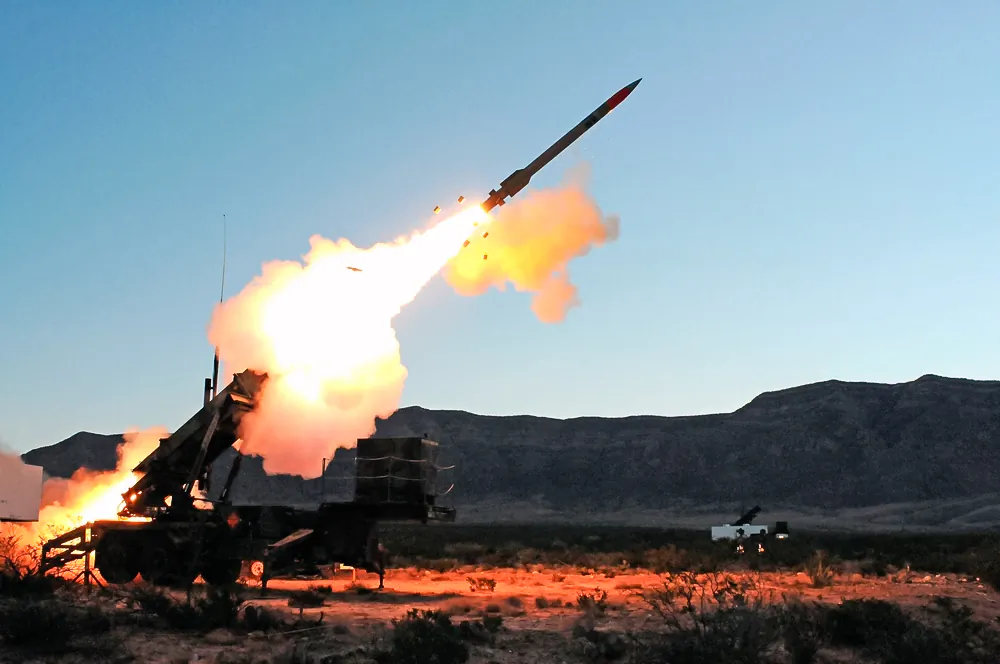
The Centre for Strategic and International Studies (CSIS) has proposed that Pillar II of the agreement—which deals with collaboration between the nations—to laser-focus on advanced technologies like autonomy, long-range strike capability, and integrated air defence.
“A key lesson of the first years of AUKUS Pillar II is that it is too broad and unfocused,” the report by Abraham Denmark and Charles Edel, released on Aug. 26 (AEST), noted.
“Leaders in all three countries should therefore narrow its focus to a smaller set of capability areas.”
Denmark was an AUKUS advisor to former U.S. Defense Secretary Lloyd Austin, while Edel is CSIS’s Australian chair.
According to the think tank, such a move would cover critical needs for Australian, U.S. and UK defence forces while also shoring up increased deterrence in Europe and the Indo-Pacific.
In addition to narrowing the focus of Pillar II’s objectives, the CSIS says AUKUS leaders should work on identifying two to three tangible marquee capabilities that would demonstrate the Pillar’s might, as well as adding to the lethality of fighters.
“At the same time, they should build an open, trilateral information-sharing architecture that would enable each nation to transmit significant amounts of classified and unclassified data in real time,” CSIS says.
“AUKUS leaders should also consider releasing an annual trilateral written report on the initiative that details progress made over the course of the previous year and looks ahead to the next.
“Having a written document created with input and consensus from all parties will provide a strong annual benchmark from which to measure progress and ensure alignment on priorities.”
The CSIS also claims budget and workforce initiatives as part of Pillar II have been too ad hoc and need greater coordination between the nations.
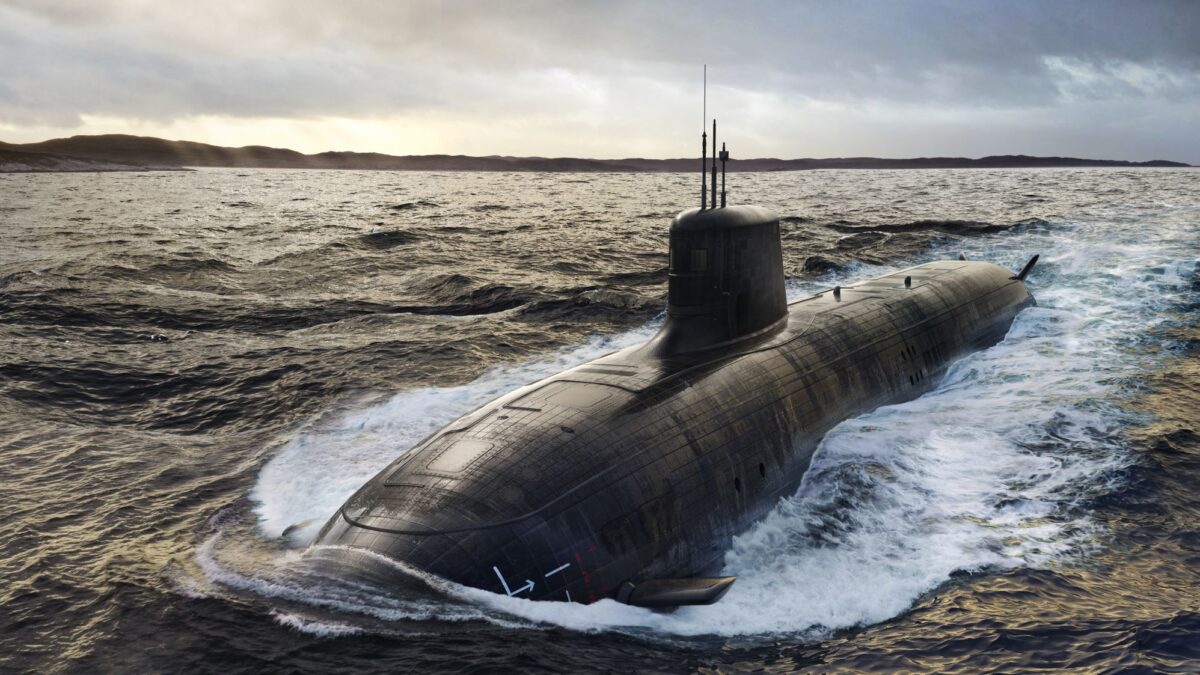
The organisation says too much debate is being focused on whether or not the United States will sell Virginia-class submarines to Australia, and not enough on the bigger picture.
The AUKUS agreement is currently subject to a review by the Pentagon.
Pillar I of AUKUS is Australia’s plan to receive nuclear submarines, while Pillar II’s prime focus is on strategic cooperation between nations.
Australian Defence Minister Richard Marles is currently in the United States, where he will meet with Secretary of Defence Pete Hegseth and other White House officials.
“I was pleased to speak with Secretary Hegseth at the Shangri La Dialogue in May, and welcome the opportunity in Washington to build on our valuable discussions of shared defence and security matters,” he said in a statement.
“Given the shared challenges we face in our region, I look forward to reaffirming our commitment to the alliance and advancing our strong partnership.”
The Pentagon’s AUKUS review could be finalised as soon as September.
 Friends Read Free
Copy
Facebook
Tweet
Friends Read Free
Copy
Facebook
Tweet