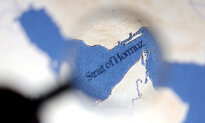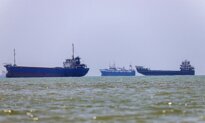

World leaders in the Group of Seven (G7) revealed in a joint statement on March 22 that they are committed to ensuring safe passage through the Strait of Hormuz amid the Iran war.
“We reaffirm the importance of safeguarding maritime routes, and safety of navigation, including in the Strait of Hormuz and all associated critical waterways, as well as the safety and security of supply chains and the stability of energy markets,” leaders from the G7 wrote in the statement released on March 22.
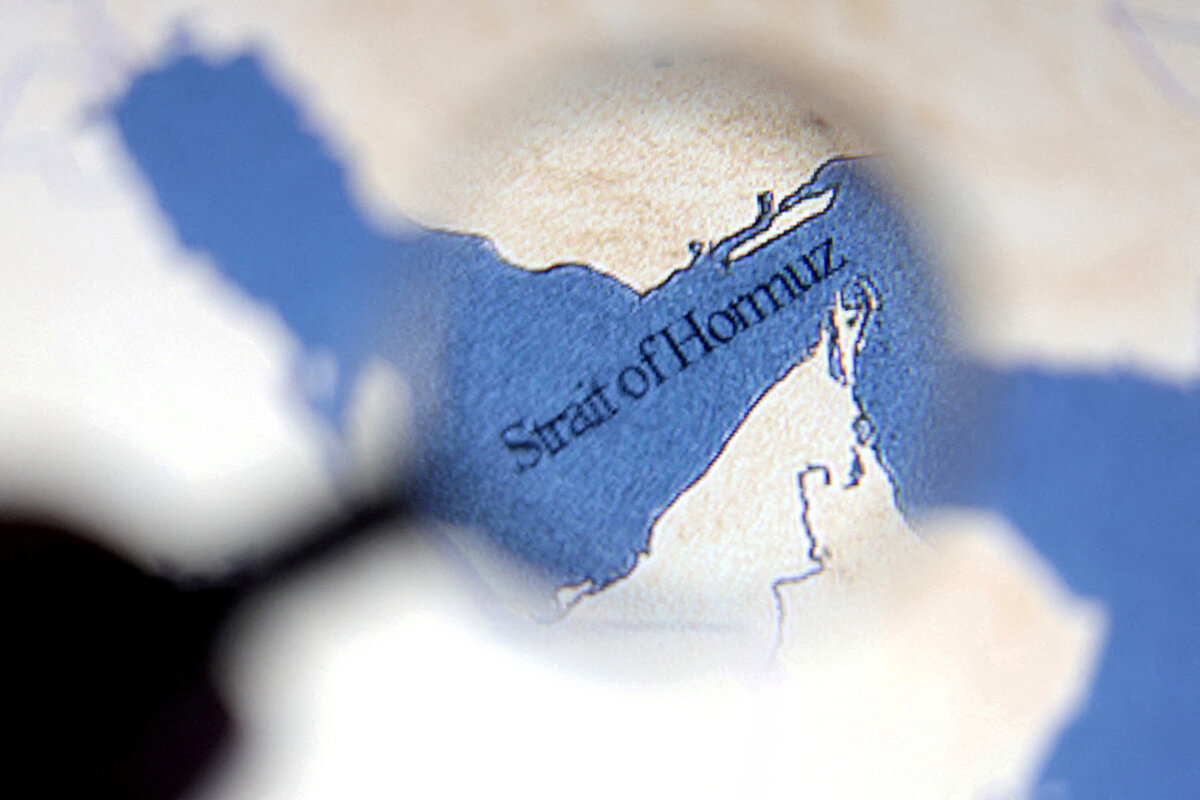
The Strait of Hormuz is a crucial waterway on the southwest coast of Iran that is used in the transport of one-fifth of the world’s oil and gas.
Energy operations in the region have been impacted since the United States and Israel launched an attack on the Iranian regime on Feb. 28, killing dozens of senior officials including regime leader Ali Khamenei.
“We stand ready to take necessary measures to support global supply of energy such as the stockpile release decided by International Energy Agency (IEA) members on March 11,” the leaders stated.
The G7’s statement referred to the IEA’s agreement to release 400 million barrels of oil from emergency reserves in an attempt to stabilize oil and gas prices.
But global markets remain uncertain.
The price of Brent crude oil rose to $112.19 per barrel on the morning of March 22.
In the United States, the average cost for a regular gallon of gas is $3.94, which is up by nearly $1 since the war started, according to AAA.
President Trump warned that if Iran doesn’t allow safe passage through the waterway within days, the United States military will retaliate.
“If Iran doesn’t FULLY OPEN, WITHOUT THREAT, the Strait of Hormuz, within 48 HOURS from this exact point in time, the United States of America will hit and obliterate their various POWER PLANTS, STARTING WITH THE BIGGEST ONE FIRST!” Trump warned in a Truth Social post.
In a separate post on March 22, Trump said the waterway will need security as the United States considers “winding down” military efforts in the Middle East.
“The Hormuz Strait will have to be guarded and policed, as necessary, by other Nations who use it—The United States does not!” Trump wrote in a Truth Social post.
“If asked, we will help these Countries in their Hormuz efforts, but it shouldn’t be necessary once Iran’s threat is eradicated. Importantly, it will be an easy Military Operation for them.”
Japanese foreign minister Toshimitsu Motegi suggested that his country would consider a mine-sweeping operation in the Strait of Hormuz.
“If there were to be a complete cease-fire, hypothetically speaking, then things like mine-sweeping could come up,” Motegi said during a local television interview.
 Friends Read Free
Copy
Facebook
Tweet
Friends Read Free
Copy
Facebook
Tweet