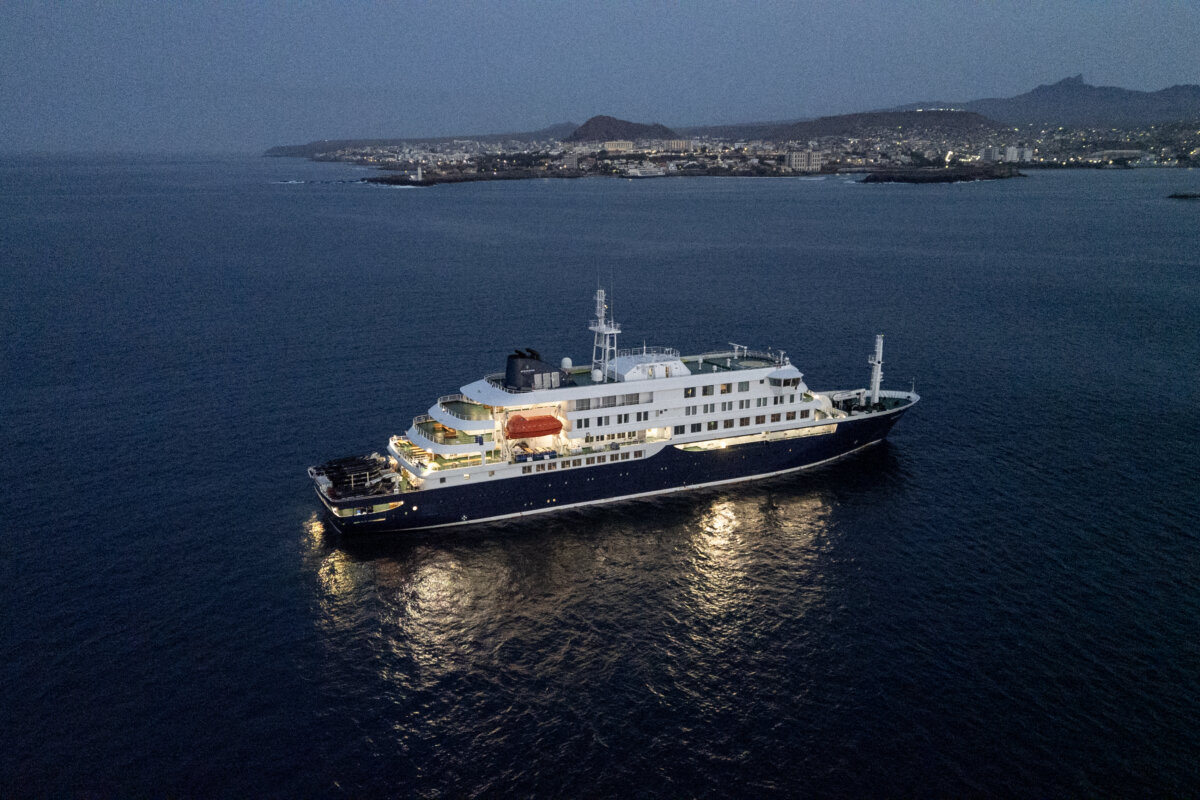

The number of Andes hantavirus cases linked to a cruise ship at the center of an outbreak has risen to 13, the head of the World Health Organization (WHO) has said, but the situation remains stable.
WHO Director-General Tedros Adhanom Ghebreyesus said in a May 27 post on X that Spain has reported a new case among the passengers of the cruise ship MV Hondius who are in quarantine, bringing the total to 13.
Tedros confirmed that there have been no new deaths reported since May 2, with the number of fatalities still at three.
“The situation remains stable,” Tedros said. “Passengers who got sick are receiving needed care, while others remain in quarantine. [The WHO] is in close contact with all the relevant governments.”
The Spanish Ministry of Health said in a May 25 post on X that a new case had been confirmed by polymerase chain reaction test among those held in preventive quarantine at Gómez Ulla Hospital.
The ministry said that the infected person had been under clinical observation and isolation since admission, and that the case was detected during a routine check.
“After diagnostic confirmation, the patient was transferred to the High-Level Isolation Unit … at Gómez Ulla Hospital, where they will remain admitted under specialized medical supervision and with the biosecurity measures planned for this type of case,” the ministry said.
“Health authorities stress that the case was detected within the isolation and control system already in place, so it does not change the risk situation for the general population or alter the ongoing epidemiological response measures.”
So far, three people have died of the Andes strain of the virus: a Dutch man, his wife, and a German woman.
Rodent-Borne Virus
Hantaviruses are rodent-borne viruses that are usually transmitted to humans through contact with infected rodent droppings, urine, or saliva, or through the inhalation of aerosolized particles containing these excretions.
According to the WHO, an estimated 10,000 to 100,000 cases of hantavirus infection occur each year, with the highest numbers in Asia and Europe.

The WHO stated that although there is no specific treatment that cures the disease, “early supportive medical care is key to improve survival and focuses on close clinical monitoring and management of respiratory, cardiac and kidney complications.”
Of all known strains, only the Andes virus has been documented to potentially spread from person to person, and even then, transmission generally requires close, prolonged contact and remains rare.
Before the new outbreak, Andes had been restricted to parts of Latin America, particularly Argentina.
3 Deaths
In the case of the Dutch-flagged MV Hondius, experts with the WHO speculate that the first passenger suspected to have died from hantavirus, the Dutch man, likely contracted it in Argentina. When he boarded the ship, he spread the virus to other passengers, including his wife, who also died.
The 70-year-old Dutch man became sick with fever, headache, and mild diarrhea while on board the ship on April 6. Before boarding, he and his wife had gone sightseeing in Ushuaia, Argentina, and traveled elsewhere in Argentina and Chile, according to the WHO.
He died on the ship on April 11, after developing respiratory distress. At the time, the cause of death could not be determined.
His wife developed symptoms and, after disembarking from the vessel, took a commercial flight from St. Helena Island to South Africa. On April 26, she died in South Africa after collapsing at an airport while trying to board another plane home.
A German woman who fell sick aboard the ship later died on board the vessel on May 2.
 Friends Read Free
Copy
Facebook
Tweet
Friends Read Free
Copy
Facebook
Tweet