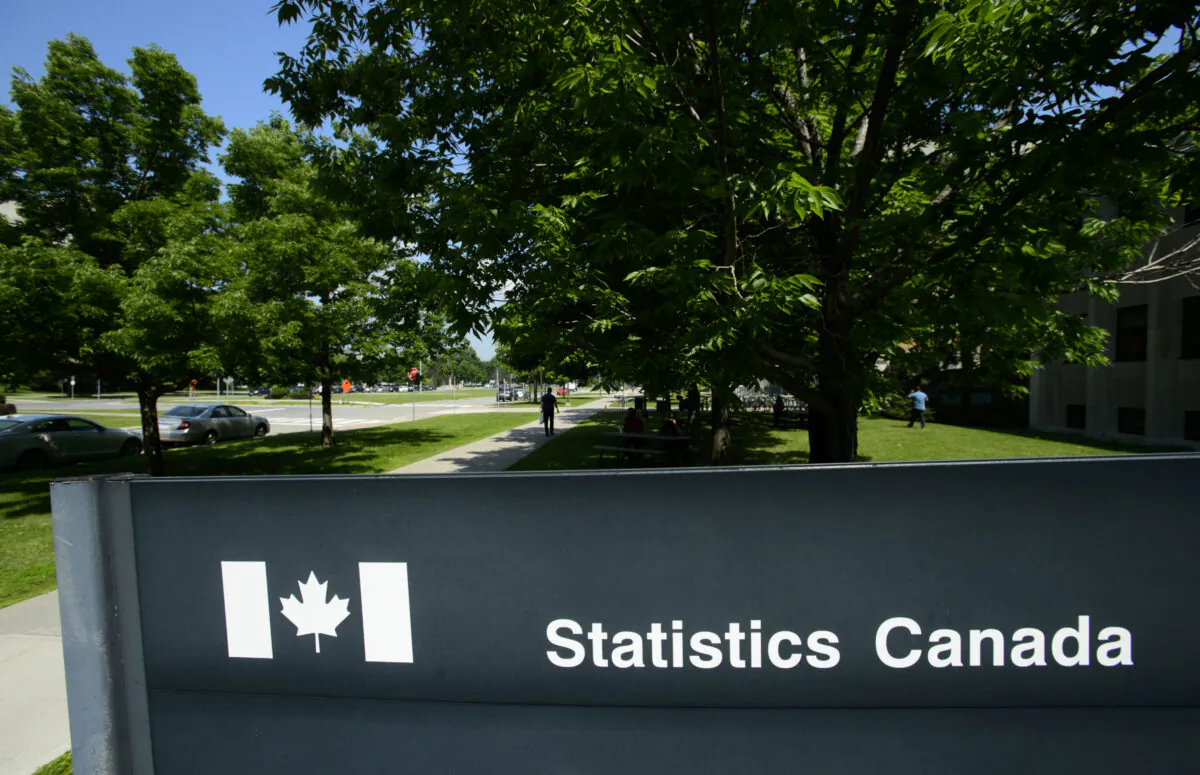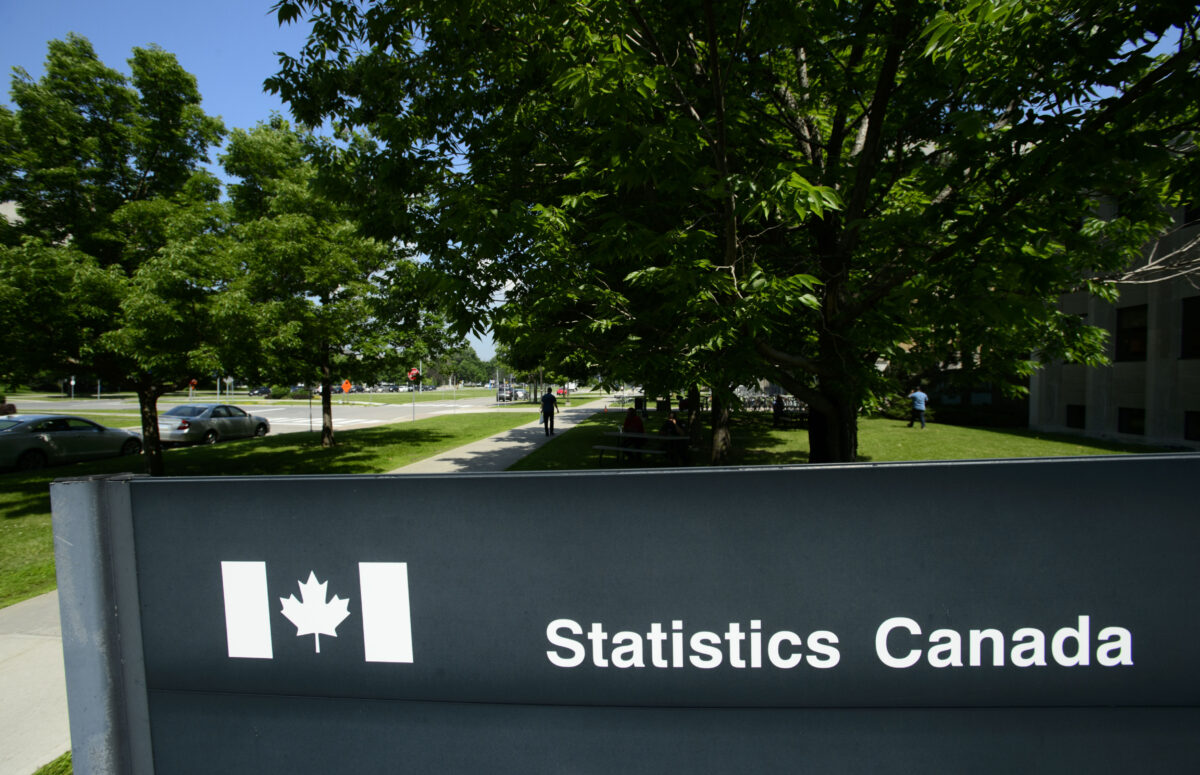

Canadians who have yet to complete the federal census questionnaire can look forward to receiving an in-person visit or a phone call from a Statistics Canada employee in the near future.
Seventy-five percent of Canadians have been sent the short-form census and the remaining 25 percent, selected randomly, need to complete the long-form census. Both questionnaires are mandatory.
“Millions of households” have already responded online, on paper or by phone, Statistics Canada said in a June 2 press release, but those who have not submitted can expect to hear from the government agency soon.
“Census enumerators will begin contacting households from which a completed questionnaire has not yet been received,” StatCan said. “In addition to phone follow-ups, they will also start going door to door in communities across Canada.”
Similar follow-up measures will also be implemented for the 2026 Census of Agriculture, which collects information about every farm operation in Canada, StatCan said.
The phone calls and in-person visits are “intended to remind residents to complete the census and to offer assistance,” Statistics Canada said, adding that it has hired thousands of census enumerators to assist in collecting the data.
“Enumerators can help respondents complete the questionnaire in person if they have not yet done so or are unable to complete it on their own,” the agency said.
All census employees will carry official Statistics Canada identification, the agency said. Canadians can also verify an employee’s identity by contacting the Census Help Line or by going to the recognizing census communications page of the Census website.
All Canadian households are required to complete a population census under the Statistics Act and anyone who refuses to do so can be fined up to $500, the government has said.
What Is the Census?
The census is a national tally by Statistics Canada of the country’s population and housing. It is carried out every five years to furnish essential demographic, social, and economic data for governmental and community planning.
The short-form census contains questions about date of birth and age, gender, relationships among household members, and proficiency in official languages alongside other languages spoken, as well as Canadian military experience.
The long-form census includes the same questions as the short-form version, but will contain additional categories such as questions related to education, employment and the labour market, detailed housing specifics, income, and ethnicity and cultural background, along with mobility and daily activities.
StatCan said the 2026 long-form questionnaire also features a new question designed to collect data on the health status of Canadians, as well as a question regarding sexual orientation to bridge data gaps that existing statistical programs do not cover.
 Friends Read Free
Copy
Facebook
Tweet
Friends Read Free
Copy
Facebook
Tweet