
Houthi terrorists in Yemen have attacked cities in southern Saudi Arabia near the border with Yemen for a second consecutive day, a Saudi-led coalition in Yemen said.
Ballistic missiles and drones were used to attack the Saudi cities of Abha, Khamis Mushait, and Jazan on Sept. 9, following earlier attacks on Sept. 8 at an airbase in Khamis Mushait and oil infrastructure in nearby cities that wounded 73 people. It was one of the biggest attacks on Saudi Arabia, a U.S. ally, since the U.S.–Iranian conflict started in February.
Houthi-run Al Masirah TV, citing the group’s health ministry, said on Sept. 9 that at least 32 people had been killed in Saudi strikes on Yemen’s Al Jawf over the past two days. Saudi Arabia has not announced or confirmed that it carried out strikes.
The Iran-backed Houthis, who control the most populous areas of northern Yemen, including the capital of Sanaa, have been targeting Saudi Arabia’s oil infrastructure and other assets amid increasing clashes in recent weeks, coalition spokesperson Turki al-Malki said in a Sept. 9 statement.
He said the Saudi-led coalition would respond to the attacks to protect Saudi Arabia’s national assets and civilians.
Last month, Turkey, Saudi Arabia, and Pakistan signed a defense agreement that would treat an attack on one as an attack on all three. Pakistan said on Thursday that there were no discussions about a military reaction from Islamabad under the Mecca agreement in response to the Houthis’ attacks on Saudi Arabia.
“There is no such thing under discussion right now. … When time comes [we] will act under the agreement,” Pakistan foreign ministry spokesperson Sajjad Haider Khan said during a weekly media briefing, in response to a question asking how Islamabad planned to fulfill its obligations under the joint defence accord.
Turkey’s Foreign Ministry on Sept. 9 called on the Houthis “to put an end to their aggressive actions immediately.”
Increase in Fighting
Fighting has escalated since July 20, when the Houthis declared a naval blockade against Saudi Arabia in the Bab al-Mandab strait‚ an important export route for Saudi oil since Iran blockaded the Strait of Hormuz.
The Houthis said the blockade was in response to Saudi Arabia’s ongoing siege of Yemen. It attacked two Saudi oil tankers in the Red Sea on July 23, sending oil prices to their highest levels in more than a month by opening a second maritime front in the Iran conflict alongside the Strait of Hormuz.
U.S. President Donald Trump warned Tehran at the time that the U.S. military would hold it responsible for any Houthi attacks on Saudi ships.
Commercial traffic through the strategic Bab el Mandeb Strait fell to its lowest level in months, according to July 26 shipping data.
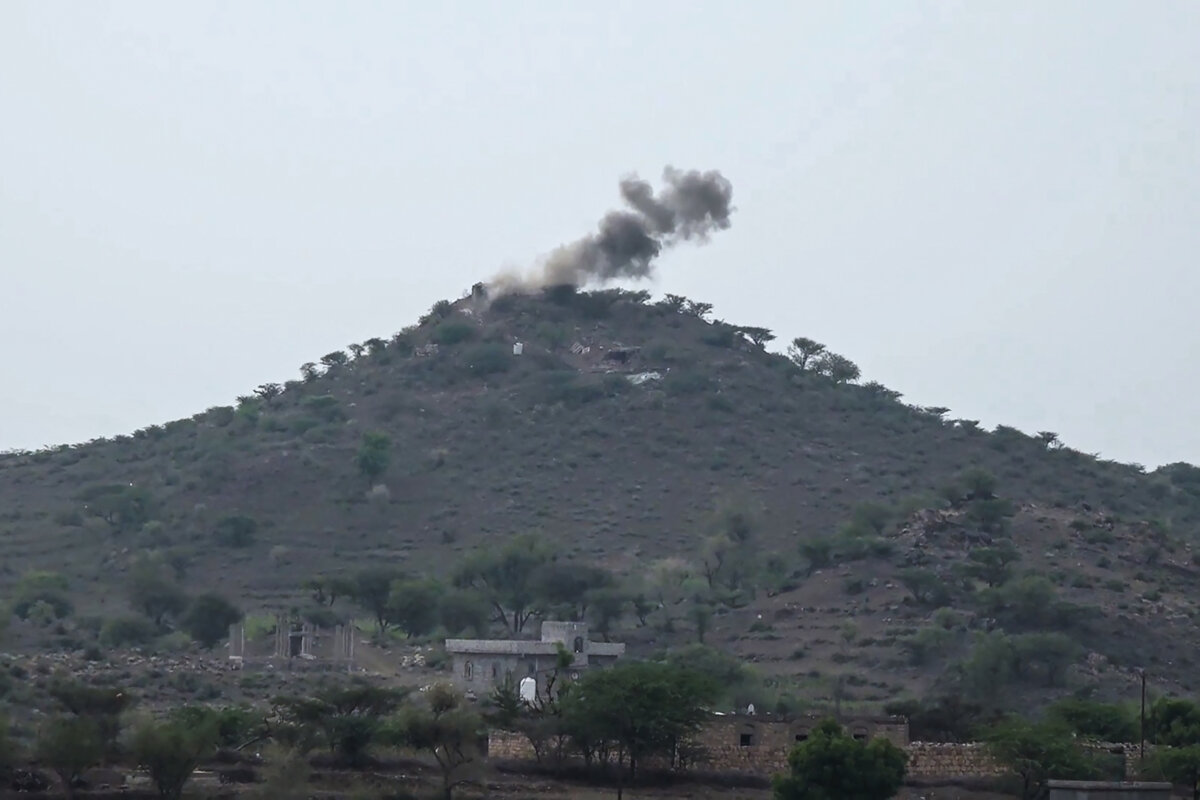
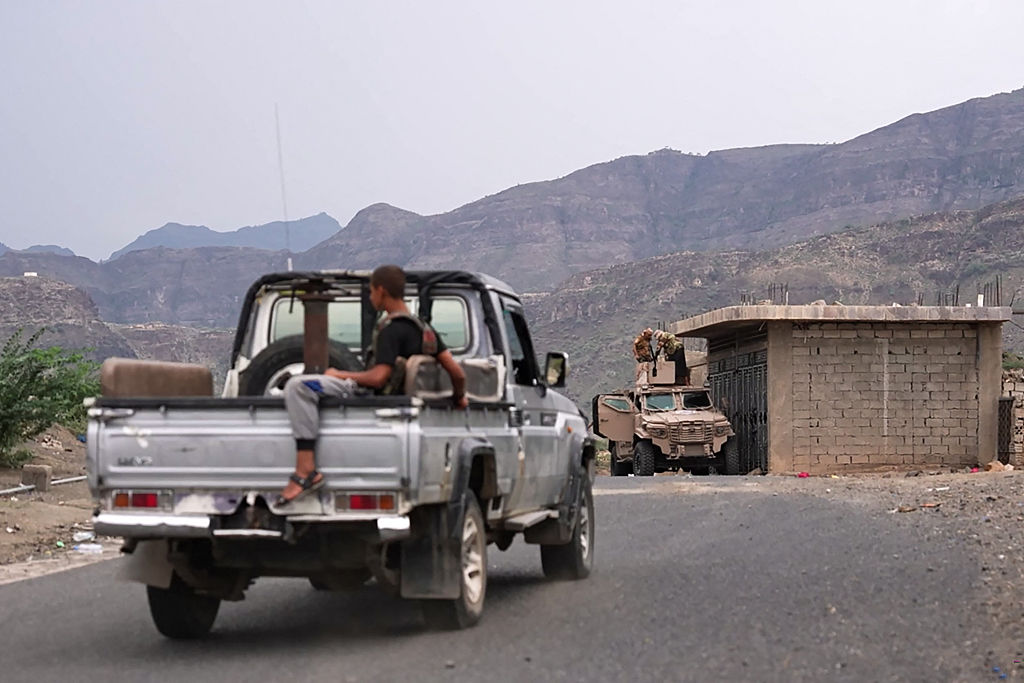 This frame grab taken from AFPTV video footage shows Saudi-backed Nation’s Shield Forces deployed in Yemen’s Al-Kadha area, west of Taiz province, on Sept. 10, 2026. (AFPTV / AFP via Getty Images)
2nd Maritime Chokehold: Bab el-Mandeb Strait
In February, due to Iran’s actions in the Strait of Hormuz, Saudi oil producers increasingly diverted crude oil exports from their Gulf terminals west to a port on the Red Sea. Saudi Arabia’s Yanbu Commercial Port was suitable for exporting oil north to Europe through the Suez Canal or south to Asia through the Bab el-Mandeb Strait, a maritime chokepoint at the southern end of the Red Sea that connects through to the Gulf of Aden and Indian Ocean.
Following the Houthi blockade in the Red Sea, Saudi Arabia in August started pumping more of its crude through its north-western Suez-Mediterranean pipeline to the port of Sidi Kerir on the Mediterranean Sea to avoid the Houthi attacks in the Red Sea.
The Houthis seized Sanaa in 2014, triggering a civil war in Yemen. The Saudi-led military coalition intervened in 2025 in support of Yemen’s internationally recognized government.
A U.N.-brokered truce in 2022 largely halted the war. Fighting resumed when the Houthis started attacking international commercial shipping in the strait in 2023, saying the attacks were in response to the Israel–Hamas war.
Reuters and The Associated Press contributed to this report.
 Friends Read Free
Copy
Facebook
Tweet
Friends Read Free
Copy
Facebook
Tweet