
Budapest has returned to Ukraine gold and cash it had seized from bank vehicles that were transporting the assets across Hungary.
Under Hungarian Prime Minister Viktor Orban, who recently lost an election to Peter Magyar, officials in March confiscated $82 million in cash and gold from armored vehicles belonging to Ukrainian state-owned bank Oschadbank on suspicion of money laundering. Ukraine condemned the move as racketeering.
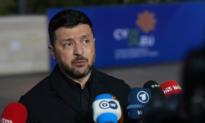
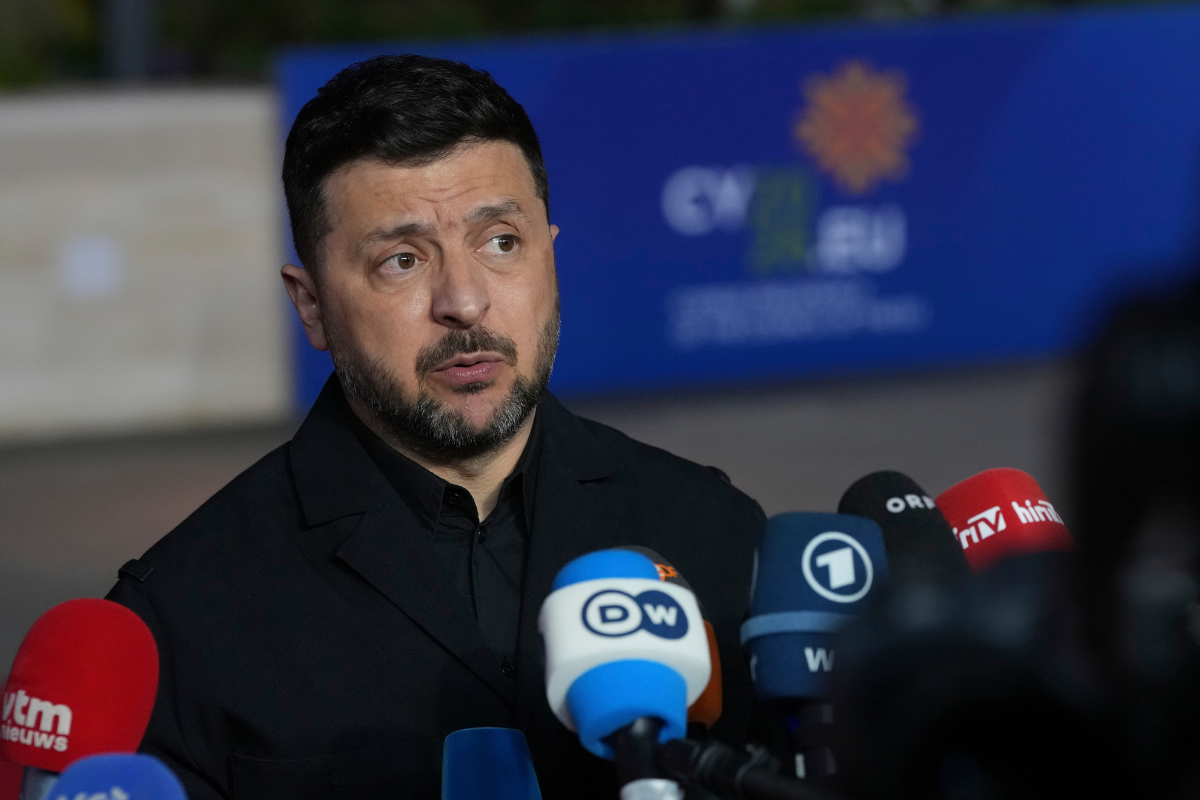
Ukrainian President Volodymyr Zelenskyy, in a May 6 post on X, announced that the funds and valuables had been returned, calling it “an important step in relations with Hungary.”
“I am grateful to Hungary for its constructive approach and civilized step,” Zelenskyy said. “I thank everyone on Ukraine’s team who fought for a fair decision and defended the interests of our state and our people.”
Ukrainian Minister of Foreign Affairs Andrii Sybiha thanked Hungary, saying in a May 6 post on X that the return of the gold and cash “draws a clear line between the lawlessness of the Orban regime and the constructive approach of the incoming new government.”
“We take this as a sign of Hungary’s willingness to advance our relations with mutual respect and healthy pragmatism—and we are ready to reciprocate,” he said.
Magyar will take his oath of office on May 9.
Under Orban, tensions had been high between Kyiv and Budapest. The outgoing Hungarian government, which had maintained closer ties with Russia than other European Union countries, had disagreed with Brussels over military support for Ukraine.
Relations were further strained over allegations from Budapest that Kyiv was delaying the resumption of oil flows through the Russian Druzhba pipeline, which was damaged by a Russian strike in western Ukraine—claims that Kyiv denied.
Orban had vetoed fresh EU sanctions on Russia, as well as a loan for Ukraine, over the oil dispute.
7 Ukrainians Detained
On March 6, the Hungarian National Tax and Customs Administration (NTCA) said in a statement that it had launched criminal proceedings on suspicion of money laundering, with cooperation from the Counter Terrorism Center.
The NTCA said that on March 5, it had detained seven Ukrainian citizens—one of whom was a former Ukrainian intelligence service general—and two armored vehicles transporting both $40 million and 35 million euros ($41.2 million), as well as 9kg (nearly 20lbs) of gold from Austria, destined for Ukraine.
“This year alone, more than 900 million US dollars, 420 million euros, and 146 kilograms of gold bars have been transported through the territory of Hungary to Ukraine,” the statement said.
Hungarian Foreign Minister Peter Szijjarto posted on X on March 6 that the shipments passing through his country “raise serious questions about a possible link to the Ukrainian war mafia.”
“Until Kyiv provides clear explanations about the origin and purpose of the funds, Hungarian authorities will conduct a thorough investigation,” Szijjarto said.
Oschadbank said in a March 5 statement that the detentions were unjustified, noting that its staff were carrying out regular transportation of bank metals and foreign currency between Raiffeisen Bank Austria and Oschadbank Ukraine.
The bank said the transport run was carried out in accordance with an international agreement with Raiffeisen Bank, and the cargo was registered in accordance with both European customs procedures and international transportation rules.
In a March 5 post on X, Sybiha called the detentions and seizures “state terrorism and racketeering.”
The Ukrainian bank employees were later released, as were the two bank vehicles. The gold and cash had been withheld until this week.
Reuters contributed to this report.
 Friends Read Free
Copy
Facebook
Tweet
Friends Read Free
Copy
Facebook
Tweet