
Philippine offshore gaming operators (POGOs) near military bases could serve as fronts for Chinese influence and surveillance operations amid escalating tensions between China and the Philippines in the South China Sea, an analyst warns.
Sherwin Ona, an associate professor of political science and development studies at De La Salle University, said the operators are suspected of carrying out such activities in collusion with rogue local officials.
Ona said POGOs may be part of Beijing’s gray zone operations—aggressive and coercive actions that are designed to intimidate an opponent yet remain below the threshold of warfare—against the Philippines.
“It is likely that the remaining POGOs are being used for espionage, malign influence, and disinformation activities in the country,” he said.
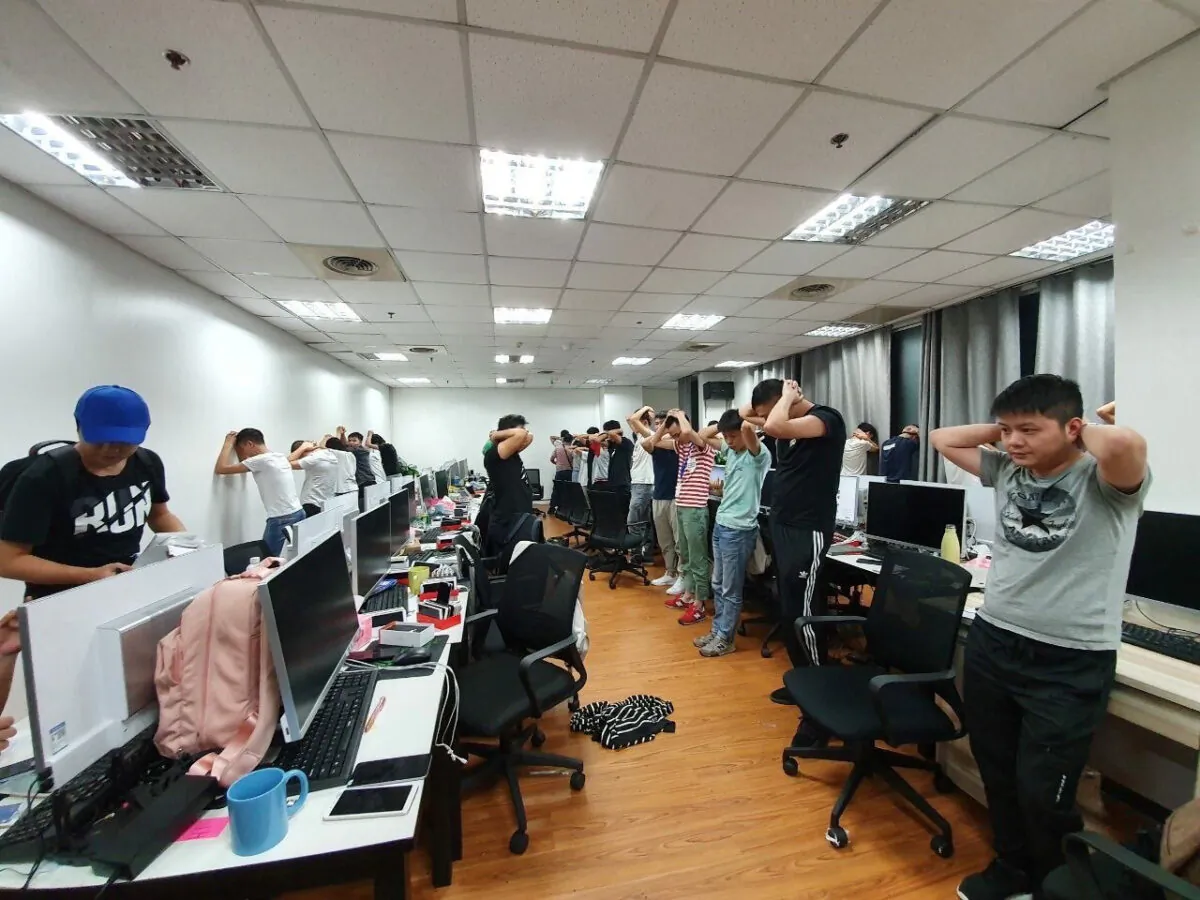
Ona’s concerns come after the Philippines’ Bureau of Immigration (BI) and other law enforcement agencies on Oct. 2 arrested 244 foreign nationals—mostly Chinese—in raids on suspected POGOs in the towns of Siay and Alicia, both in the southern Philippines.
The crackdown was the year’s largest POGO bust, according to a BI press release.
The foreigners are being investigated for alleged immigration violations, including working without proper visas and being involved in illegal POGO-related online activities.
Authorities also seized a significant number of devices believed to have been used for online scams, revealing an organized criminal operation at the site.
Immigration officials are coordinating with other law enforcement units on possible human trafficking violations arising from the raids, the release states.
The bureau will continue enforcing the government’s policy against illegal POGOs to “ensure that the Philippines is not used as a base for illegal activities,” BI Commissioner Joel Anthony M. Viado said.
Institutional Integrity Eroded
Aaron Jed Rabena, an assistant professor at the University of the Philippines Asian Center, told The Epoch Times: “The Philippine government is at fault for allowing POGOs to exist in the first place.”
Rabena said that the industry is “affecting the reputation of the Philippines and is eroding the integrity of Philippine institutions” and disturbing social order.
Philippine President Ferdinand Marcos Jr. formally banned the POGO industry, which flourished under his predecessor Rodrigo Duterte, through an executive order in November 2024 and has since shut down many gambling compounds.
 Philippine President Ferdinand Marcos Jr. delivers his fifth State of the Nation Address before a joint session of Congress on July 27, 2026. (Courtesy of the Office of the Philippine President)
Philippine Interior Secretary Jonvic Remulla told reporters that the syndicate behind the kidnapping consisted of former POGO operators, Philippine-based news agency Inquirer Net reported.
In November 2025, a Philippine court sentenced Chinese-born former town mayor Alice Guo to life in prison after finding that she oversaw a Chinese-run POGO hub that forced hundreds of workers to run online scams, a case that reignited public concern over the offshore gambling sector.
In September 2024, Philippine Defense Secretary Gilberto Teodoro said local authorities should have flagged a POGO hub operating close to a military base that hosts the army’s Training and Doctrine Command and annual joint drills with U.S. forces.
In March 2025, an immigration official disclosed at a Philippine Senate hearing that authorities had detained 10 alleged Chinese spies since 2024. One of them had held a work visa sponsored by a POGO service provider.
“[This] corroborates our theory that POGOs were used to facilitate espionage,” Philippine Senator Risa Hontiveros said during the hearing, according to local news outlet Rappler.
Crime and Sovereignty
Chester Cabalza, president and founder of Manila-based think tank International Development and Security Cooperation, said the latest arrests show Chinese gambling and other illicit activities tied to POGOs are making a comeback despite the ban.
“The surviving operations remain a social ill, exposing criminal networks behind trafficking, scams and violence,” Cabalza told The Epoch Times. “This side of cybercrimes adds up to hatred against Chinese given its long-standing strategic problem in the West Philippine Sea.”
A December 2023 survey by Philippine polling firm Pulse Asia found that 85 percent of Filipinos opposed POGO operations. Among opponents, 59 percent cited a rise in POGO-related crimes involving Chinese nationals, while 48 percent pointed to a growing number of Chinese nationals employed in the country.
The West Philippine Sea is the official Philippine name for the waters the country claims in the South China Sea. The area has become a flashpoint between Beijing and Manila in recent years, with the latter repeatedly accusing Chinese vessels of firing water cannons and carrying out dangerous maneuvers against its ships.
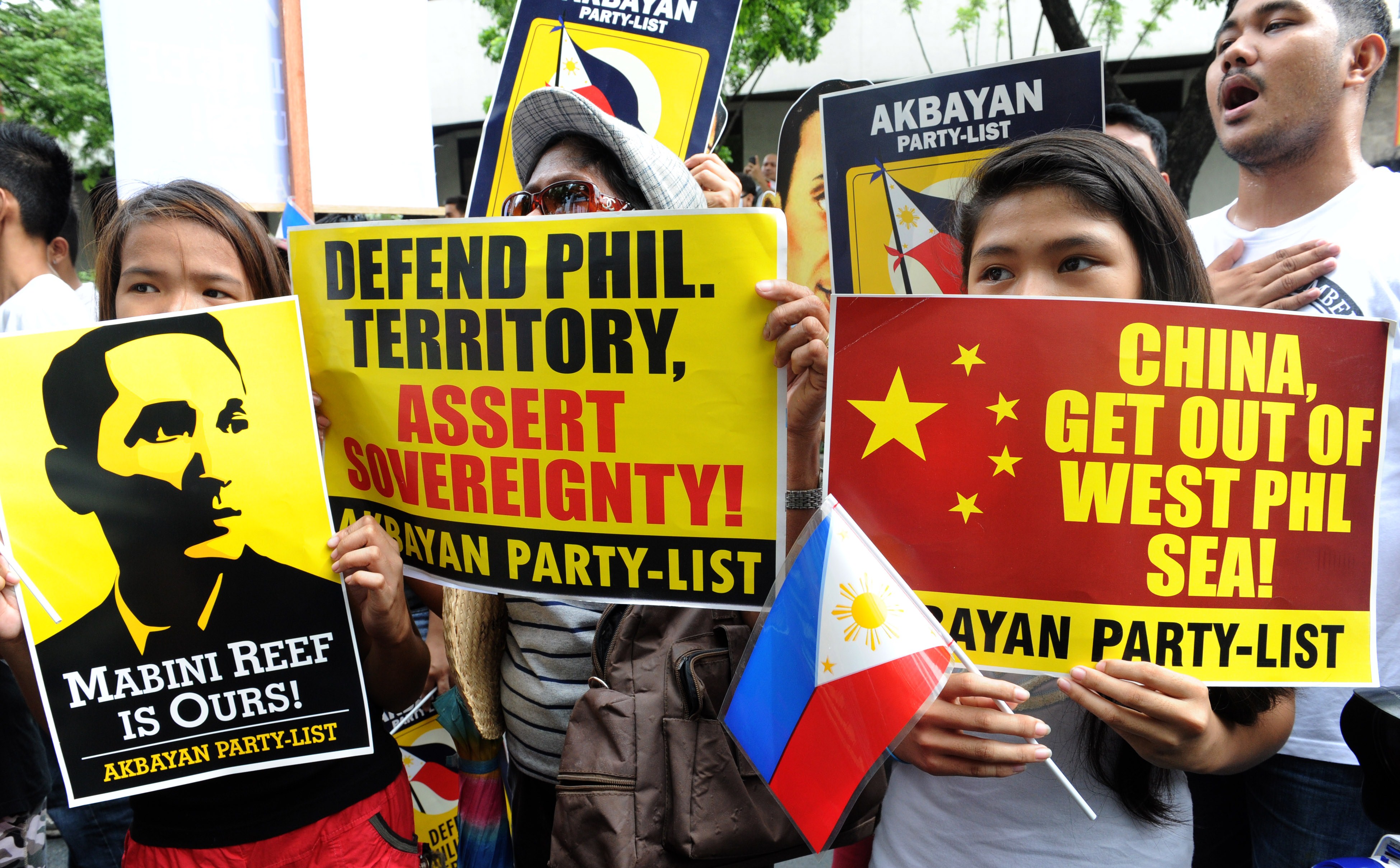 Filipino protesters display placards during a rally against China’s claim to areas of the South China Sea, at the Chinese Consulate in Manila on June 12, 2014. (Jay Directo/AFP/Getty Images)
Officials Under Influence
Ona said it is widely believed that POGOs’ enormous resources allow them to “corrupt and influence local officials, including the police.”
In June 2024, Philippine Senator Sherwin Gatchalian said intelligence agencies had confirmed that POGOs’ roots in the country were “running deep,” reaching politicians, the police, and the immigration bureau, state broadcaster People’s Television Network reported.
While the Philippines and China are still far from repairing security relations, POGOs and related online scams “have become another threat to internal security,” according to Cabalza.
“These attributable factors to Chinese criminal networks arguably change how locals view China,” he said.
 Friends Read Free
Copy
Facebook
Tweet
Friends Read Free
Copy
Facebook
Tweet