
B.C.’s first involuntary care centre for people outside the criminal justice system is set to start admitting patients this month, the government says.
Alouette Homes, in the Vancouver suburb of Maple Ridge, will have 18 new involuntary care beds and receive patients with severe mental health disorders, addictions, and brain injuries, according to Health Minister Josie Osborne.
The facility could take in its first six patients in early July and is partnering with the Vancouver Coastal Health regional health authority and Connective Support Society, a B.C. and Yukon community housing and social services group, the health ministry said.
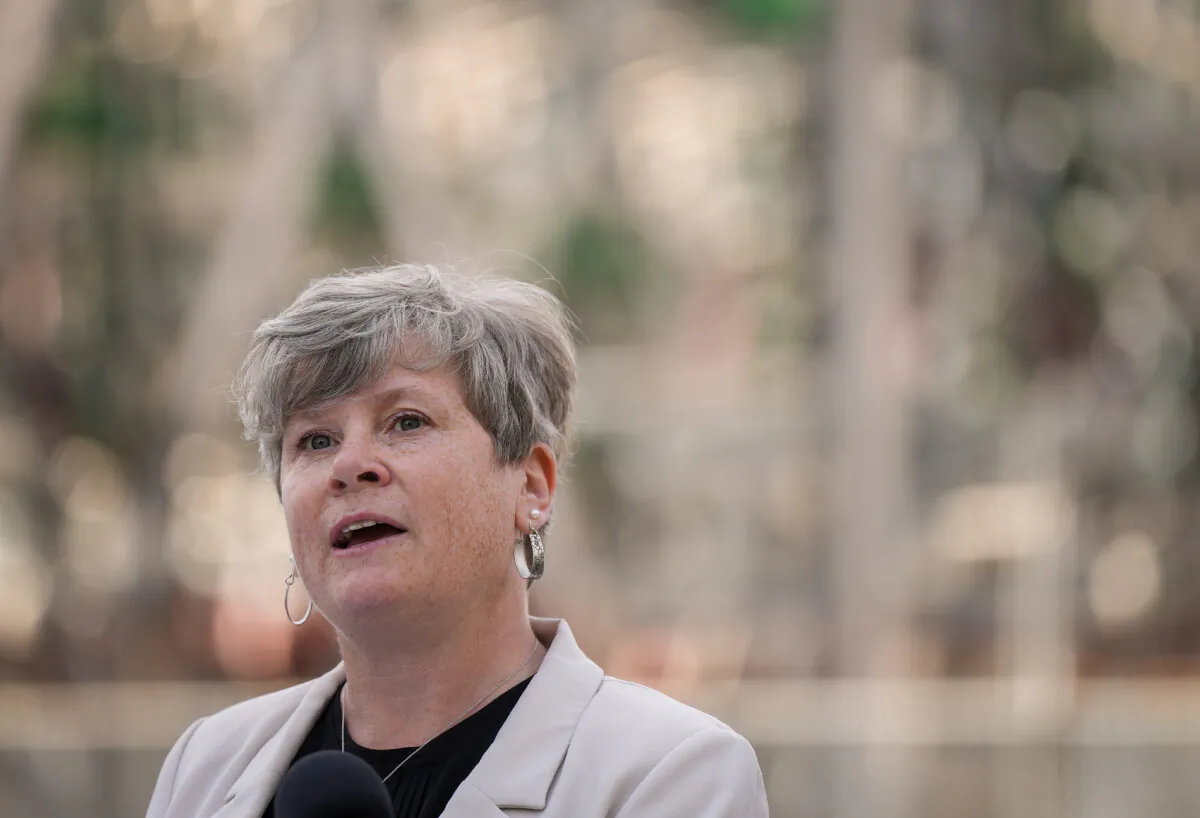
Alouette Homes facility is designed “for individuals with incredibly complex mental health disorders who have been certified for long-term involuntary care under the Mental Health Act,” Osborne said during a June 3 news conference.
“We’ve come to the conclusion for some individuals that they need long-term, supported, safe, and secure care, and right now, our only option to provide that is in a hospital setting,” Osborne said.
Dr. Daniel Vigo, B.C.’s chief scientific adviser for psychiatry, said Alouette Homes will be a “first-of-its-kind service” in B.C., providing individualized care, psychosocial supports, and housing.
Vigo’s role is to define new mental health services for the province. He was appointed B.C.’s first chief scientific adviser for psychiatry, toxic drugs, and concurrent disorders in June 2024.
“Before these homes, there was no housing alternative” for the patients, said Vigo. “Due to the extreme complexity of their mental and substance-use disorders … they were stuck in high-security hospital units indeterminately.”
The homes will help the “most chronically and severely affected people” to live safely as they receive care under the Mental Health Act, while making communities safer and keeping hospital beds open “for their intended purpose,” he said.
Referrals from outside the health region will be accepted for individuals who are already in long-term psychiatric care, according to the government.
The building will be beside the Alouette Correctional Centre for Women but is not designated for those in the correctional system, Osborne said during the news conference.
In April, 10 beds were opened at Surrey Pretrial Services Centre for people in custody.
However, Conservative critic for mental health and addictions Claire Rattée said the NDP government isn’t doing enough to address the problem and should focus on voluntary care for those who want it.
“I’m grateful that they’re finally making steps forward on involuntary care, but this simply does not go far enough by any stretch of the imagination,” she told The Epoch Times in an interview.
”We also need to be addressing the gaps in voluntary care, because they are significant, and they are many. We don’t have anywhere near enough treatment facilities and treatment beds available to people,” she said.
Rattée wants to see the government introduce companion legislation to set parameters around the use of the Mental Health Act in such cases.
“We need to have voluntary treatment that’s available for people if we’re going to tackle this problem.”
Osborne said the province offers mental health support for those who voluntarily want it, including 29,000 people who last year accessed counselling services funded by the province.
The government aims to ensure that “mental health care is truly integrated and part of a holistic health care system, so that people can get that access to the health care that they need,” she said.
The B.C. government has released guidelines for admitting patients involuntarily to facilities like Alouette.
 Friends Read Free
Copy
Facebook
Tweet
Friends Read Free
Copy
Facebook
Tweet