
Iran-backed militia groups in the Middle East have been sending funds to Iran’s Islamic Revolutionary Guard Corps (IRGC) to help Tehran deal with economic pressure after months of war with the United States, U.S. Central Command (CENTCOM) Commander Brad Cooper said on Friday.
Cooper said that U.S. initiatives targeting Iran’s economy, including oil exports and digital assets, have been successful in pressuring the regime.
For example, he said that American forces have prevented Iran from exporting around $25 billion in crude oil, which would have been used by Tehran to “finance proxy militias, criminal networks, and finance attacks against Americans.”
Around $350 million in Iranian cryptocurrency assets have been frozen by the United States, Cooper said, adding that those efforts also harmed the country’s ability to produce weapons.
As a result, according to Cooper, Iran-backed groups, including Hezbollah, Hamas, and those in Iraq, have had to give money back to Iran after being funded by Tehran for years.
“The financial strain on Iran’s military has become so significant that there are reports about Iran-aligned militia groups across the region withholding payments for their soldiers in order to funnel money back to the IRGC, which also isn’t paying its troops,” he said.
Iranian officials have withheld salaries, benefits, and pensions from government workers and security forces of the IRGC, he said.
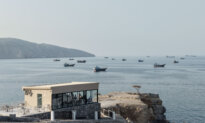
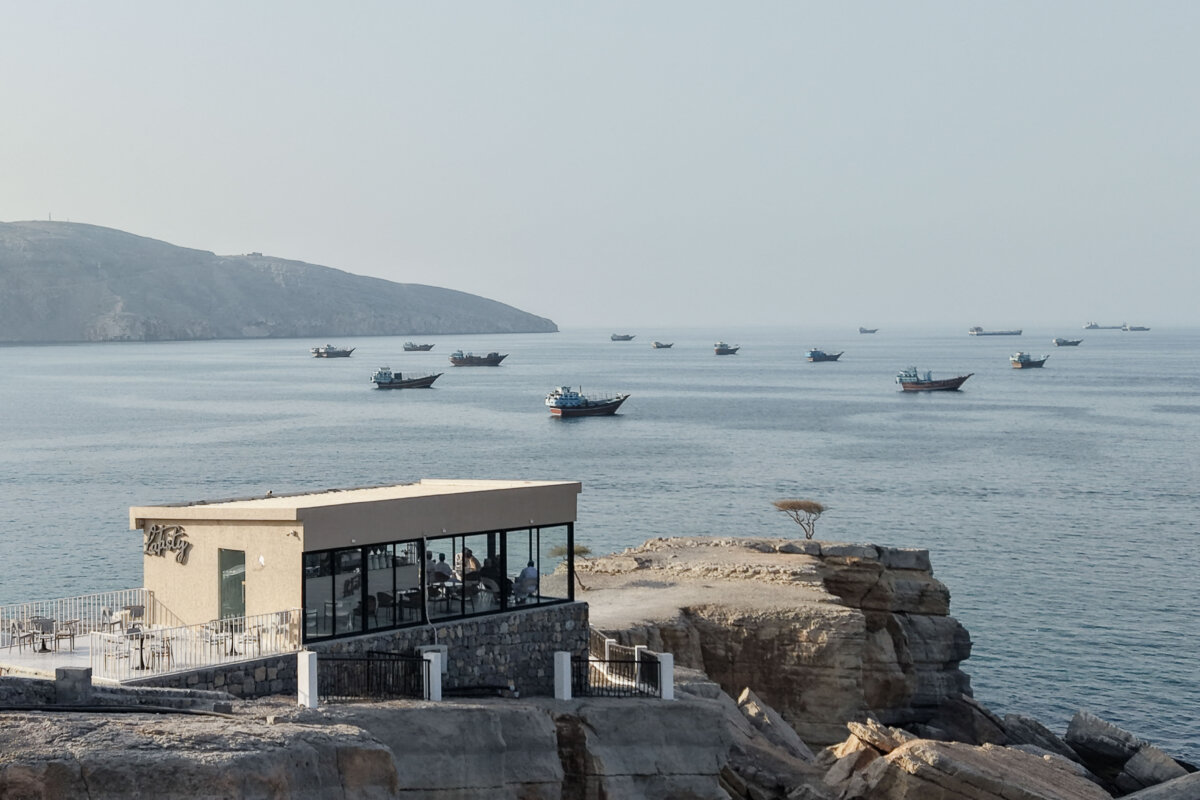
The United States and its allies also are in control of the Strait of Hormuz, a key waterway that allows cargo from oil-rich Gulf states to worldwide markets, Cooper also said.
Attacks have been launched by Iran against commercial vessels attempting to transit the strait since the war started in late February.
While the naval blockade on Iranian ports remains in effect, CENTCOM has mostly stopped launching strikes against Iran in the strait in recent weeks, as U.S. President Donald Trump said last week that he won’t attack Iran before the Nov. 3 midterm elections.
Trump said earlier this month on Truth Social that strikes won’t be ordered because his team has been “having productive discussions with the Islamic Republic of Iran.”
Washington and Tehran signed a short-lived interim agreement in June to establish a 60-day ceasefire and framework for a permanent peace deal.
However, the agreement collapsed after Iran launched attacks against ships in the Strait of Hormuz, triggering a round of U.S. strikes in July.
CENTCOM said in a social media post earlier this week that it attacked an Iranian surveillance vessel in the Gulf of Oman, which occurred before Trump said new strikes wouldn’t occur.
Cooper’s remarks come as Trump said in an interview with Newsmax on Thursday that he would possibly use the “Mother of All Bombs,” or MOAB, in future strikes against Iran.
The bomb, the GBU-43/B, is the largest non-nuclear ordnance used by the United States.
“No, it’s not nuclear at all. This is just an extremely large bomb. It’s like a tiny nuclear bomb. The mother of all bombs is one big bomb, but it’s not nuclear,” he said.
The president also dismissed the idea that U.S. forces could use nuclear weapons against Iran because “we don’t have to,” adding that he also won’t send ground troops to Iran.
On Friday, Iranian President Masoud Pezeshkian again claimed Iran is not seeking to procure nuclear weapons, according to state-run media outlet Tasnim News, also saying that Tehran “will not bow to coercion” in the midst of the simmering conflict.
 Friends Read Free
Copy
Facebook
Tweet
Friends Read Free
Copy
Facebook
Tweet