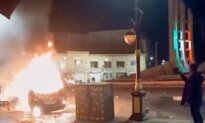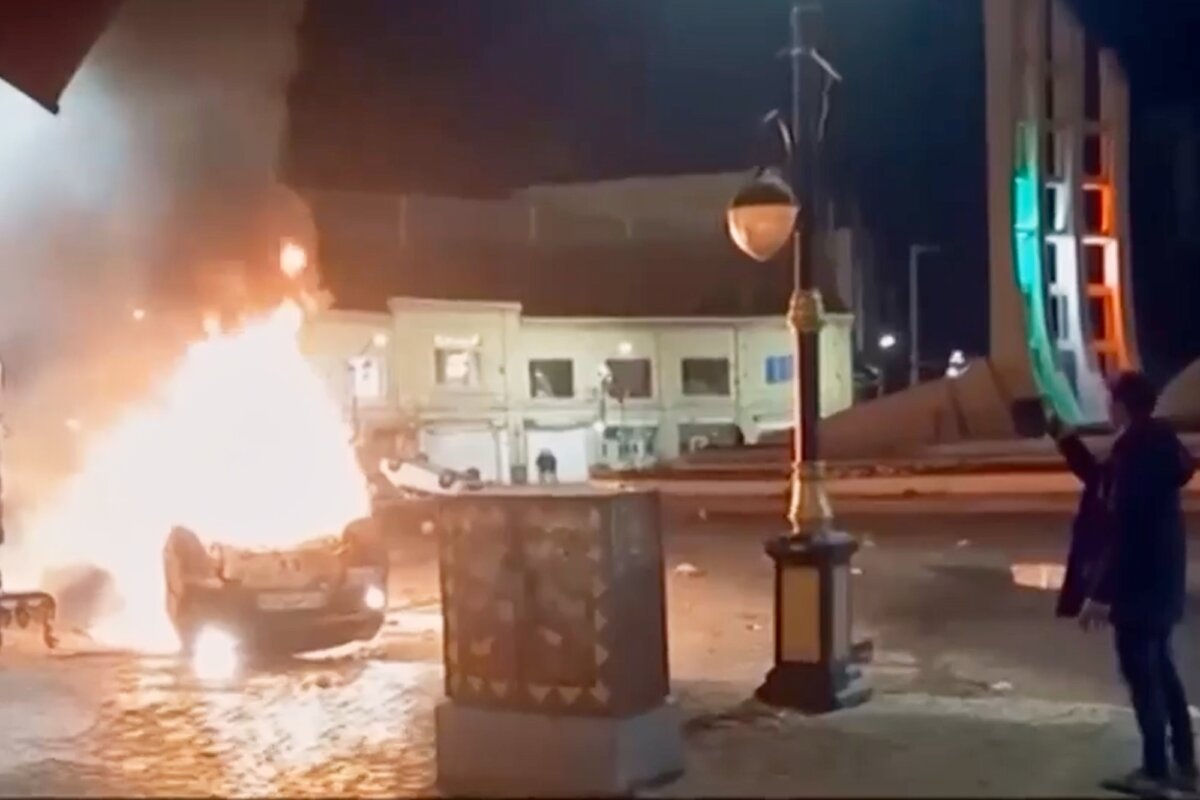

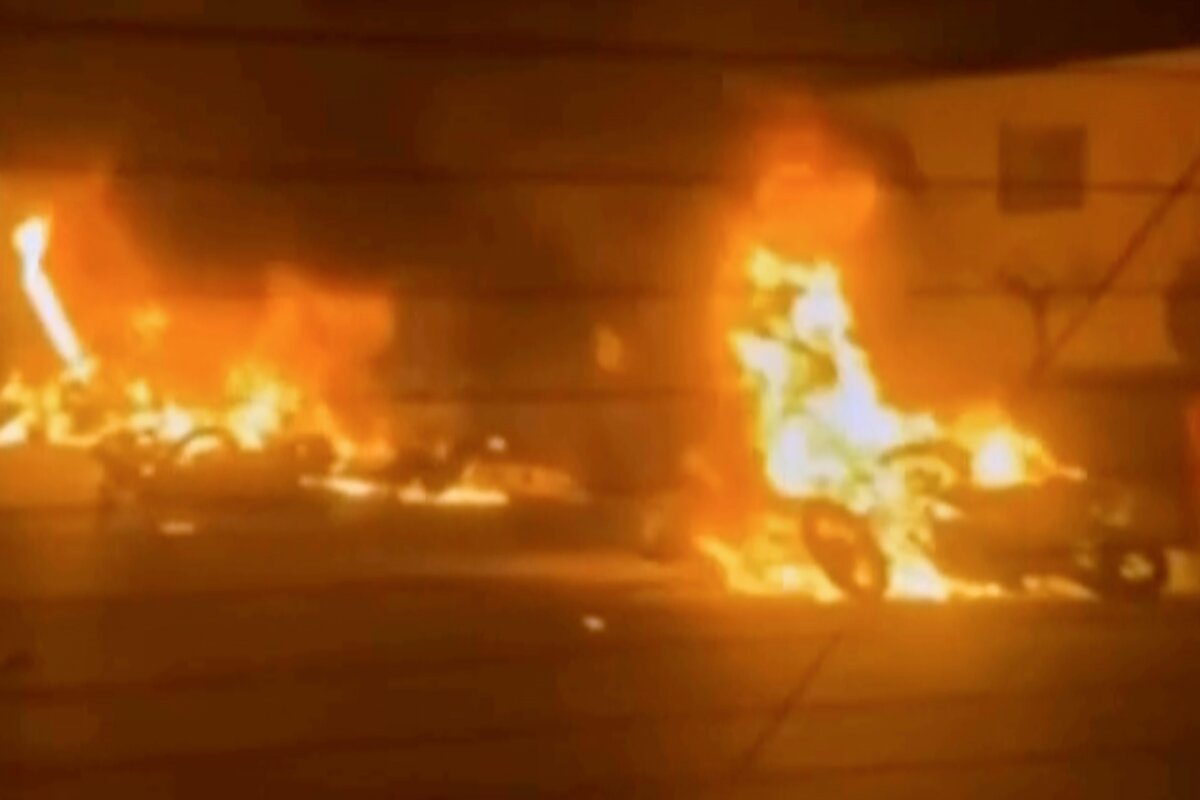
Protests sweeping across Iran continued overnight into Jan. 10, with authorities in Tehran acknowledging the ongoing demonstrations despite an intensifying crackdown, as U.S. President Donald Trump repeated warnings that the United States would step in if the Iranian regime escalates the use of lethal force against protesters.
The demonstrations began Dec. 28, 2025, over surging inflation and the collapse of the Iranian rial, but have since evolved into a broader political challenge to Iran’s clerical leadership.
Iranian authorities have signaled preparations for a harsher response after shutting down internet and phone access nationwide, severely limiting the flow of information and complicating efforts to verify casualty figures.
On Jan. 10, Iranian officials escalated their rhetoric further.
Attorney General Mohammad Movahedi Azad warned that anyone participating in the protests would be treated as an “enemy of God,” a charge that under Iranian law carries the death penalty. Iranian state-run television, cited by The Associated Press, said the designation would also apply to those accused of assisting protesters, and prosecutors were instructed to move quickly and without leniency.
“Prosecutors must carefully and without delay, by issuing indictments, prepare the grounds for the trial and decisive confrontation with those who, by betraying the nation and creating insecurity, seek foreign domination over the country,” Azad said in a statement.
“Proceedings must be conducted without leniency, compassion, or indulgence.”
A Jan. 10 message from Iran’s elite Revolutionary Guard warned protesters that safeguarding security was a “red line” not to be crossed, accusing “terrorists” of targeting military and law enforcement bases in recent days.
Iran’s regular military also issued a statement saying it would “protect and safeguard national interests, the country’s strategic infrastructure, and public property.”
Iran’s Tasnim news agency reported that 100 “armed rioters” had been arrested in the town of Baharestan near Tehran.
Casualties Climb, Including 7 Children
The death toll over the past 13 days of protests has grown to at least 65 people killed and over 2,300 others detained, according to the latest Jan. 9 estimate from U.S.-based Human Rights Activists News Agency (HRANA).
Among the dead are 50 protesters—including seven children—along with 14 members of law enforcement or security and one government-affiliated civilian.
Protests have been reported at more than 500 locations across 180 cities and towns, although HRANA cautioned that precise figures are difficult to confirm amid communications blackouts.
A doctor in northwestern Iran told Reuters that hospitals have treated large numbers of injured protesters since Jan. 9, many with severe beatings, head injuries, broken limbs, and deep cuts. At least 20 patients at one hospital were treated for gunshot wounds from live ammunition, five of whom later died.
A witness in western Iran, reached by Reuters by phone and speaking on condition of anonymity, said Revolutionary Guard members were deployed and firing in the area.
Iranian state media have highlighted casualties among security forces while reporting that control has been restored. State television reported overnight calm across much of the country.
Meanwhile, those claims were contradicted by videos verified by The Associated Press showing large crowds demonstrating in Tehran’s Saadat Abad district, where protesters could be heard chanting slogans against Supreme Leader Ayatollah Ali Khamenei.
Trump Repeats Warning, Rubio Voices Support for Protesters
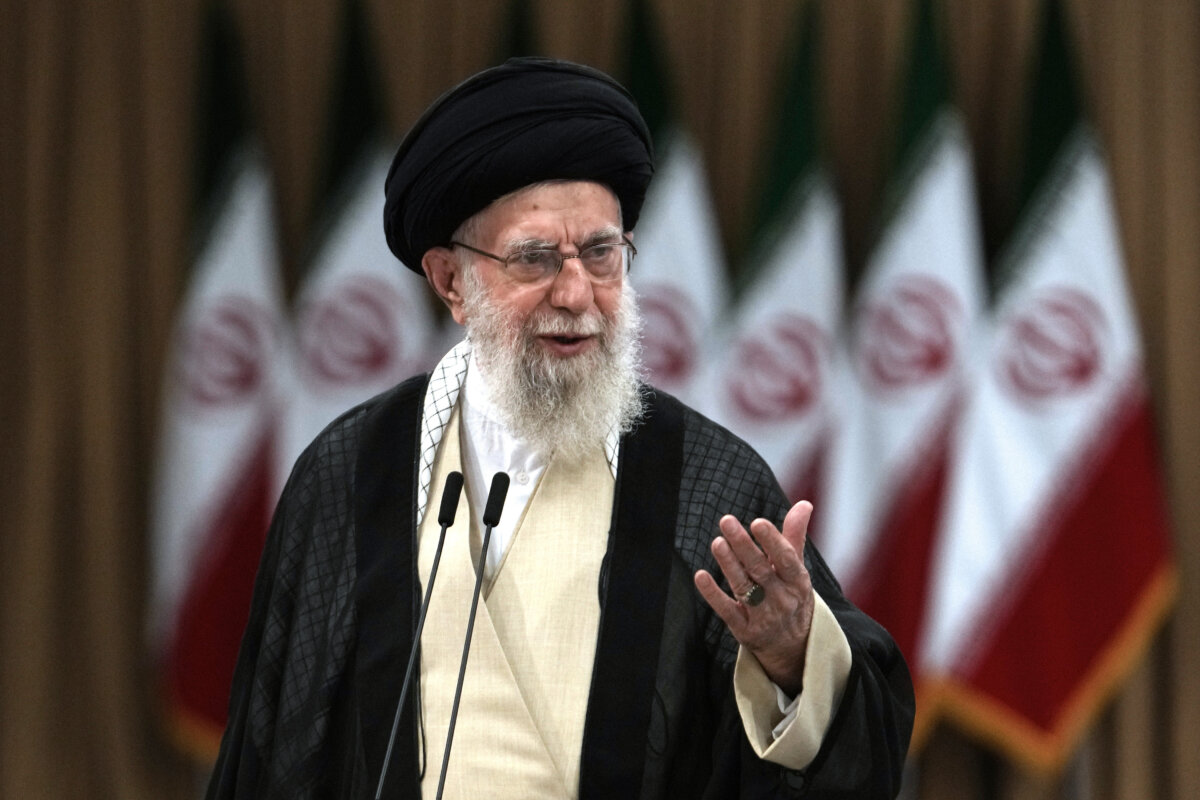
Khamenei has signaled that a clampdown is imminent while accusing Washington of backing what he described as “rioters.” In a series of social media posts, he said the United States was miscalculating and would ultimately fail, alleging that protesters were engaging in acts of violence to please the U.S. president.
Trump, for his part, has issued several warnings to the regime in Tehran.
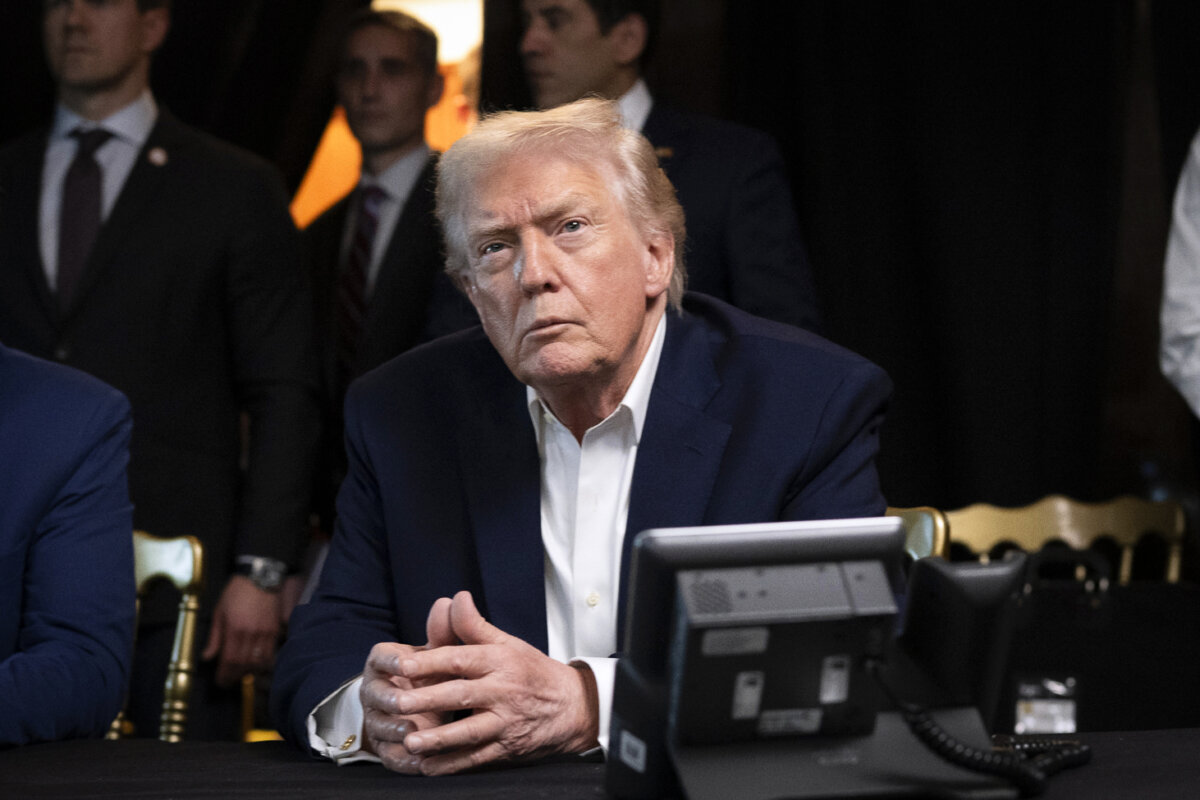
The president told reporters on Jan. 4 that his administration was closely monitoring the situation and said that the United States would respond forcefully if Iranian authorities began killing demonstrators. He repeated that warning on Jan. 9, cautioning Iranian leaders against using deadly force on protesters.
“Iran’s in big trouble,” the president told reporters during a meeting with oil executives at the White House. “They’ve treated their people very badly, and now they’re being paid back.”
“We’re watching the situation very carefully,” Trump continued. “I’ve made this statement very strongly that if they start killing people, like they have in the past, we will get involved.”
“And that doesn’t mean boots on the ground,” he clarified, adding, “but it means hitting them very, very hard where it hurts.”
Secretary of State Marco Rubio also voiced U.S. support, writing on social media that Washington stands with “the brave people of Iran” amid the regime’s crackdown against protesters.
The State Department separately warned Tehran not to test Trump’s resolve, writing in a post on X that when the president threatens action, he intends to follow through.
“When he says he’ll do something, he means it.”
The Associated Press and Reuters contributed to this report.
 Friends Read Free
Copy
Facebook
Tweet
Friends Read Free
Copy
Facebook
Tweet